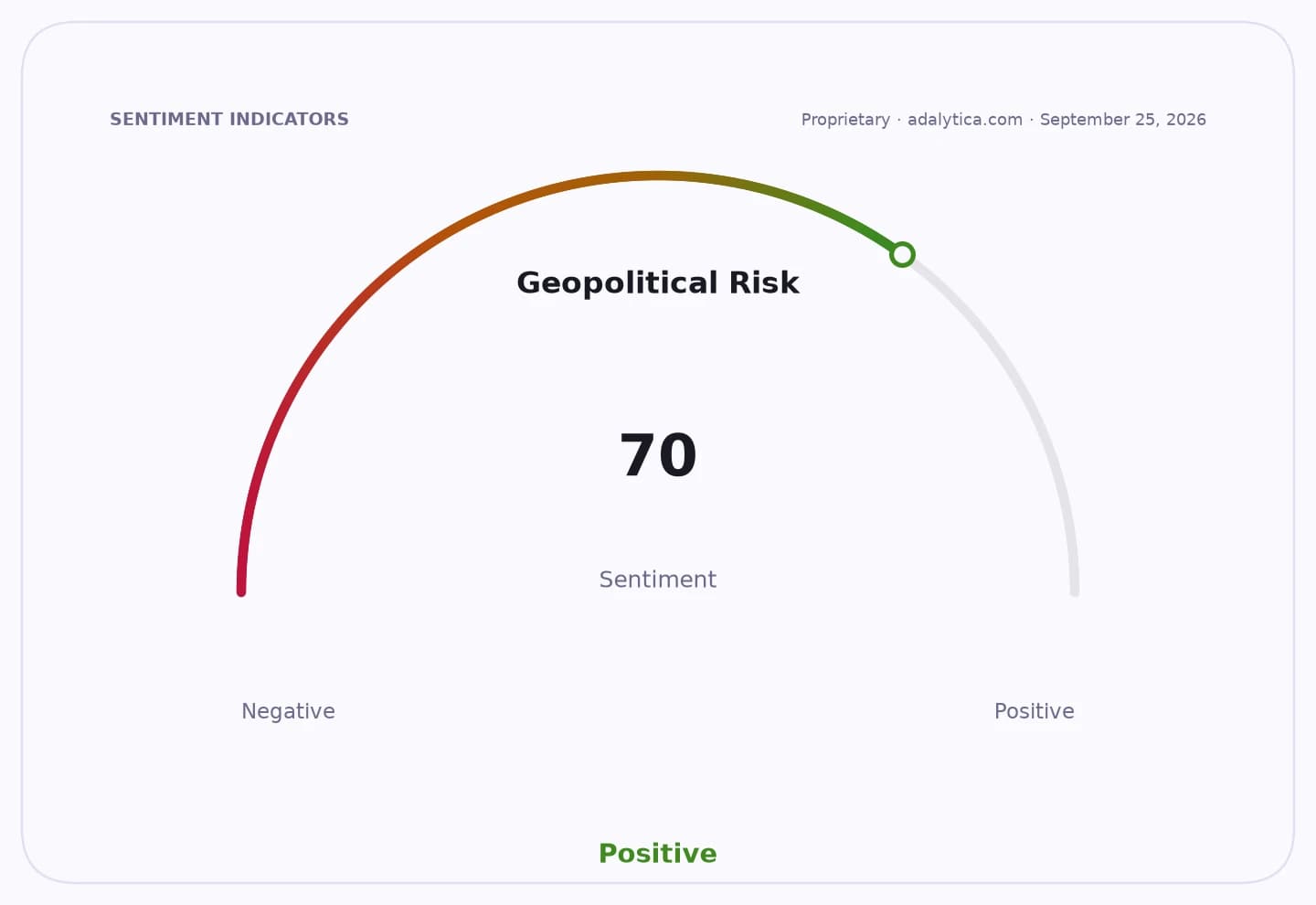
Poland’s retreat from Europe’s inflation leaderboard is being driven less by a clean policy victory than by a bruising price war, softer food costs and a surge of cheap imports from China — a combination that is squeezing margins for domestic sellers even as it restores some purchasing power to households.
Poland Disinflation Boosts Consumers, Pressures Retail Margins
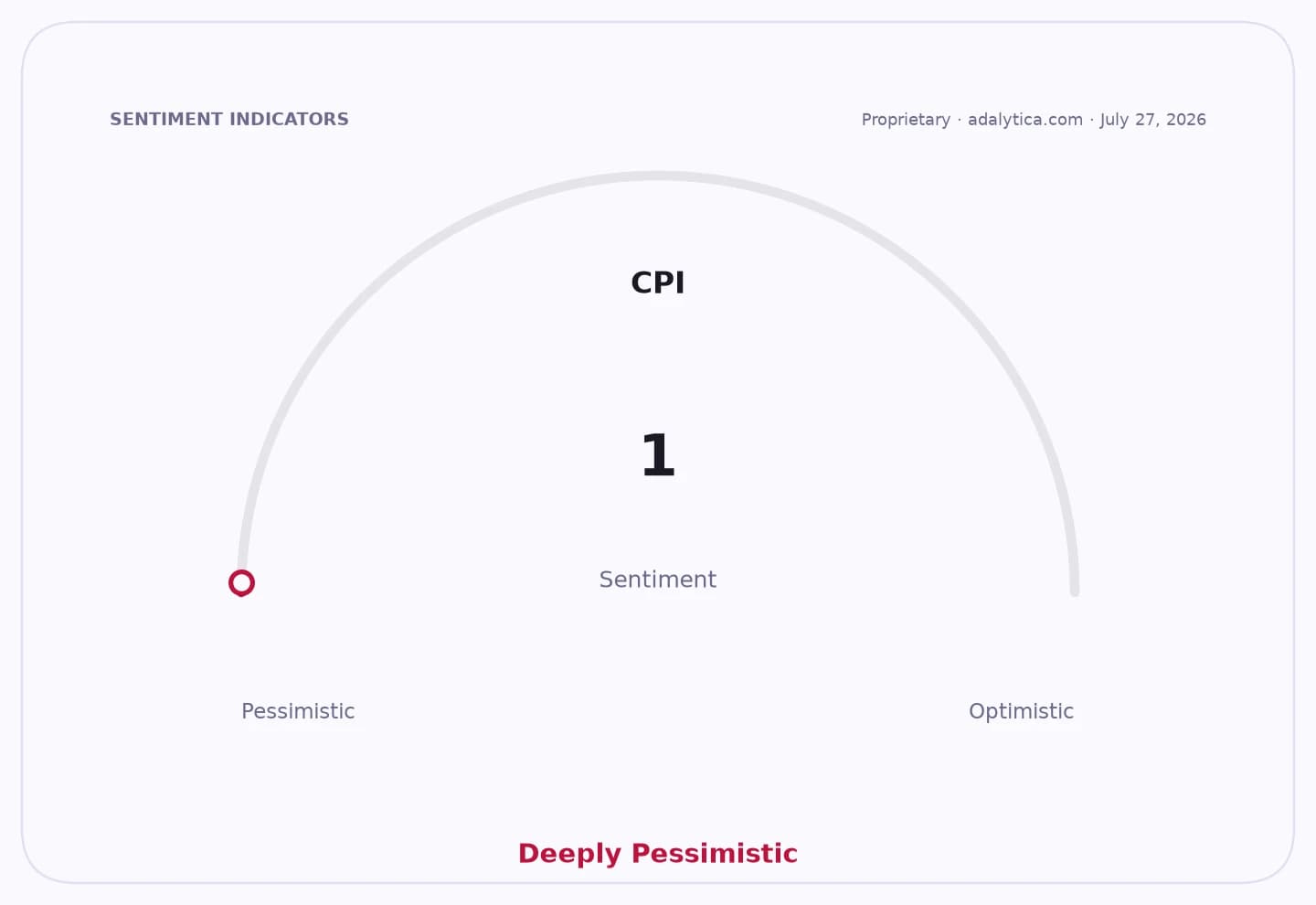
That matters because the disinflation is not just making Poland look more normal by EU standards; it is changing the balance of power in the consumer economy. A market that was one of the bloc’s inflation leaders a year ago is now drifting toward the middle of the pack, and that shift is reshaping everything from discount-store pricing to the earnings outlook for retailers, importers and local manufacturers.
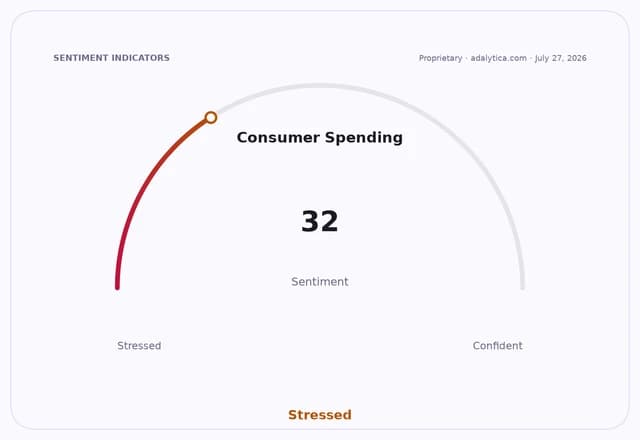
The macro backdrop helps explain why the story is so important. Inflation in Poland has cooled sharply from the peaks that made it a regional outlier, while producer prices have also eased, pointing to less upstream pressure feeding into store shelves. At the same time, cheaper food and imported goods are doing the heavy lifting, which is usually good news for consumers but often a warning sign for sellers competing on price.
For investors, that creates a classic winner-loser split. Consumers benefit first, because real wages hold up better when grocery bills stop rising at the old pace. But retailers are forced into a harder fight for volume, and the chains with the best sourcing, scale and logistics can use the disinflationary wave to take share. In other words, this is less about broad-based prosperity than about a market culling the weak and rewarding the efficient.
The evidence in prices also points to a stronger case for defensives than for domestic brands with weak pricing power. If discount-store competition is the main transmission mechanism, then the best-positioned names are the ones that can keep traffic high while protecting margins through private label, centralized procurement and cross-border sourcing. The losers are the smaller, less flexible operators that cannot absorb lower shelf prices without sacrificing profitability.
The global angle matters too. Cheaper Chinese goods arriving in Europe through Poland are a reminder that inflation can move in reverse when excess industrial supply meets soft consumer demand. That is a headwind for local producers, but it also means import-heavy retailers and value chains can keep pressuring prices longer than the market expects. In a world where investors are hunting for disinflation beneficiaries, Poland is becoming a useful laboratory.
That does not mean the story is purely bullish. Poland’s public finances are under strain, and rapid debt growth raises the odds that policymakers eventually face a more complicated trade-off between growth and stability. But for the moment, the dominant market signal is clear: inflation is no longer the Polish economy’s defining feature, and that change is redistributing profits.
The smart trade is to follow the margin winners, not the headline inflation rate. Investors should favor the retailers and consumer platforms that can source cheaply, scale fast and exploit the price war, while treating domestic sellers with weak cost discipline as the real casualties of Poland’s inflation cooldown.
| Entity | Gains | Losses |
|---|---|---|
| Polish consumers | ▲Higher real purchasing power | ▼None |
| Discount retailers | ▲Market share gains | ▼Lower margins for rivals |
| Cheap importers / China exporters | ▲Stronger sales into Poland | ▼Local producers |
| Domestic retailers with weak pricing power | ▲None | ▼Margin compression |