Poland’s transport industry is hitting a painful turning point: there are too few drivers to keep freight moving at the pace the economy needs, and that shortage is starting to matter well beyond one country’s highways. For investors, the big question is not just who gets delayed at the border, but how long Europe can rely on trucking as the workhorse of trade if labor scarcity keeps tightening capacity.
Poland Driver Shortage Tightens European Freight
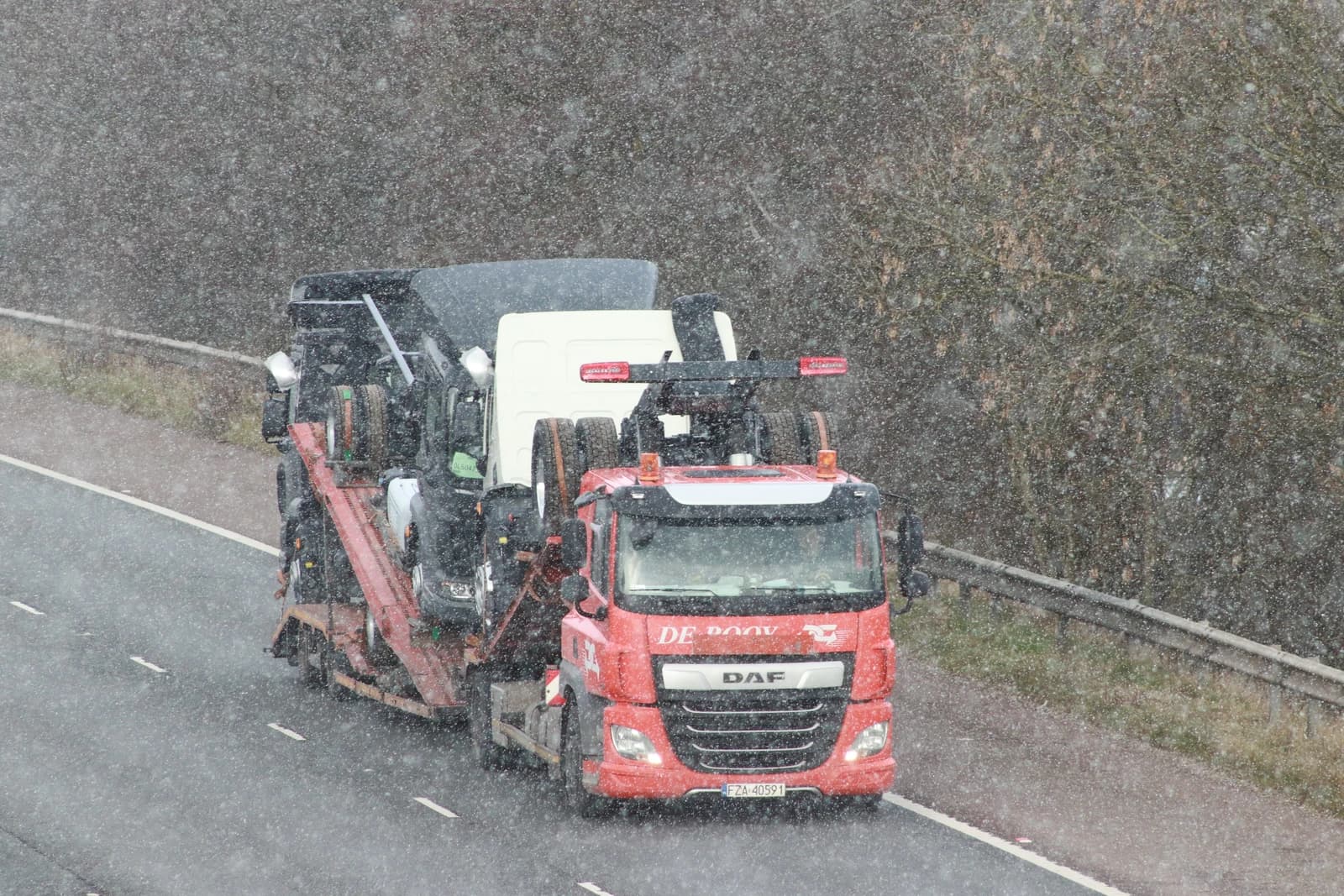
The economic significance is straightforward. Poland sits at the center of European road freight, linking factories, warehouses and retailers across the EU. When trucking firms cannot find drivers, the cost of moving goods rises, delivery times lengthen and margins get squeezed across the supply chain. That can ripple into exporters, importers and consumers alike, especially in a region where road freight still carries a huge share of everyday commerce.
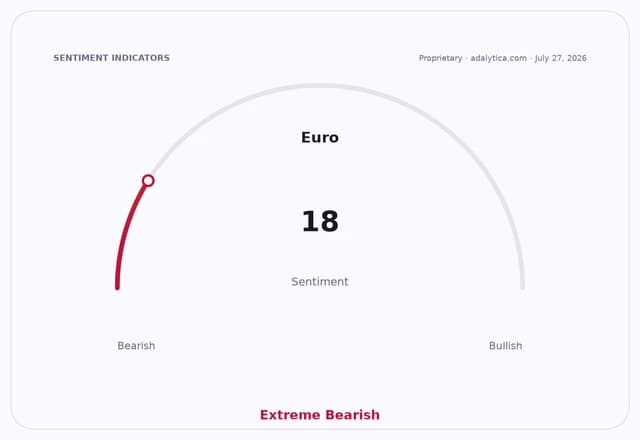
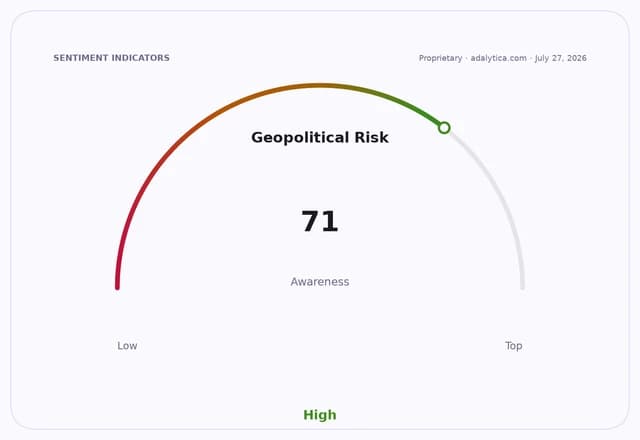
Sentiment IndicatorsⓘProprietary · adalytica.com · July 27, 2026
This is a snapshot — live sentiment, awareness and momentum for 130+ markets update continuously in the dashboard.Open AlphaPulse
For long-term investors, shortages like this are not just a cyclical nuisance — they can reshape winners and losers. Companies with scale, route density and pricing power are better positioned to pass on higher labor and compliance costs. Smaller carriers, by contrast, face a tougher fight to keep trucks on the road and contracts intact. In that sense, the shortage can accelerate consolidation in logistics, rewarding the best-capitalized operators while pressuring weaker ones.
The broader market backdrop reinforces the point. Conventional technical indicators for North American truckload operator Old Dominion Freight Line show the stock trading well above its 200-day moving average, even after some recent volatility, which suggests investors continue to favor high-quality logistics names with durable operations and strong balance sheets. That kind of market leadership makes sense when labor is scarce: businesses with resilient networks tend to outlast those that depend on a constant flow of available drivers.
There is also a policy angle. Authorities are increasingly focused on road safety, fraud and enforcement, as shown by recent moves in other markets to crack down on staged truck accidents and dangerous incidents. That matters because tougher regulation can add costs and complexity to an already strained industry. For investors, more oversight is not automatically bad, but it usually favors disciplined operators and raises the bar for everyone else.
The long-term takeaway is that Poland’s driver shortage is part of a larger European logistics story: labor scarcity, rising compliance burdens and fragile supply chains. If you invest for years, not weeks, this is the kind of pressure that can create durable advantages for the strongest transport companies while forcing weaker ones to shrink or sell. Worth watching — and worth treating as a reminder that in logistics, scarce labor can be every bit as important as fuel prices or freight demand.
| Entity | Gains | Losses |
|---|---|---|
| Large logistics operators | ▲Pricing power | ▼ |
| Small trucking firms | ▲ | ▼Staffing squeeze |
| Exporters/importers | ▲ | ▼Higher freight costs |
| Investors in quality transport stocks | ▲Durable margins | ▼Smaller rivals under pressure |




