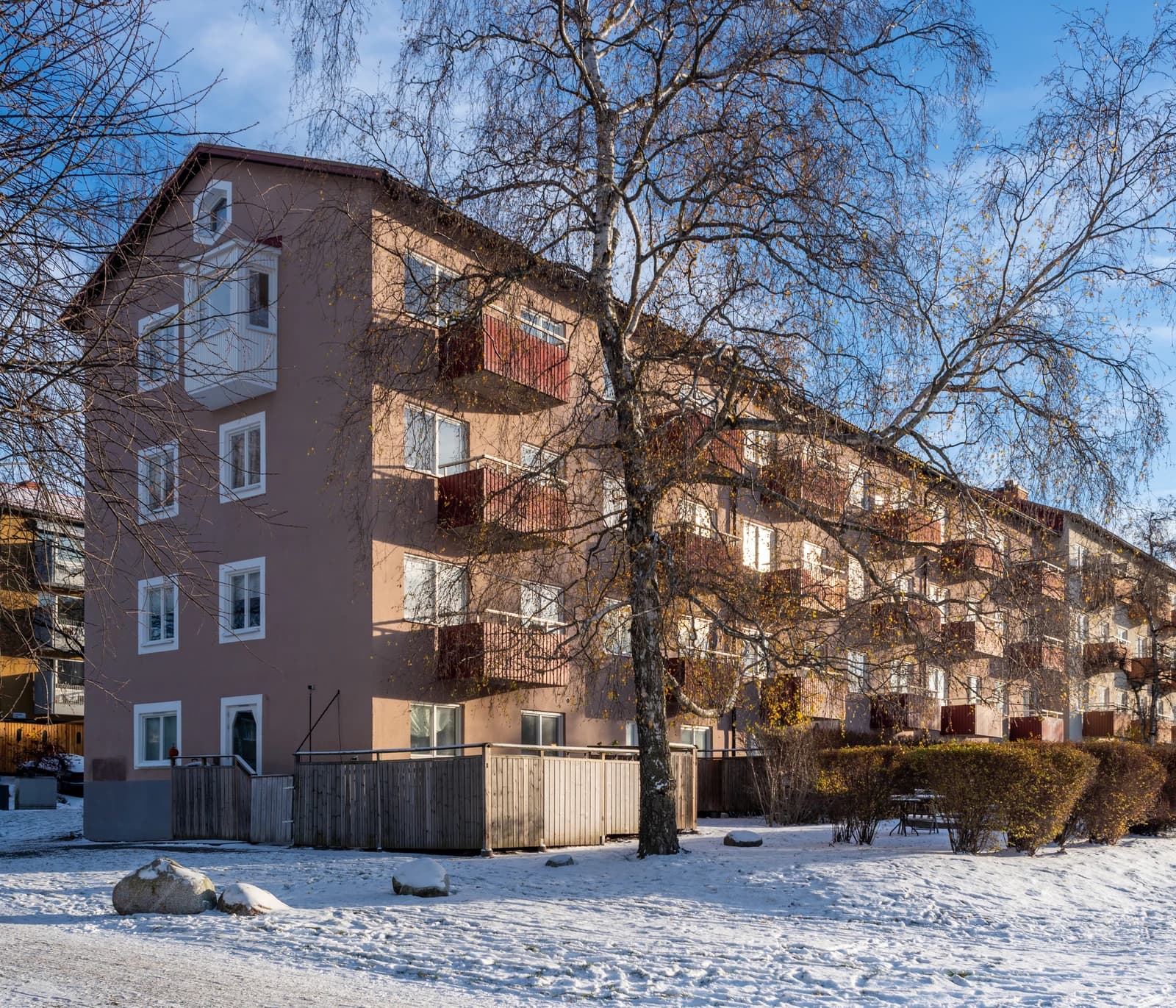
Poland’s smaller and less-followed housing markets are quietly holding up better than the big main centres as apartment prices stay firm, borrowing costs ease and supply remains tight enough to keep renters and buyers competing for the same homes.
Poland housing markets hold firm as borrowing costs ease
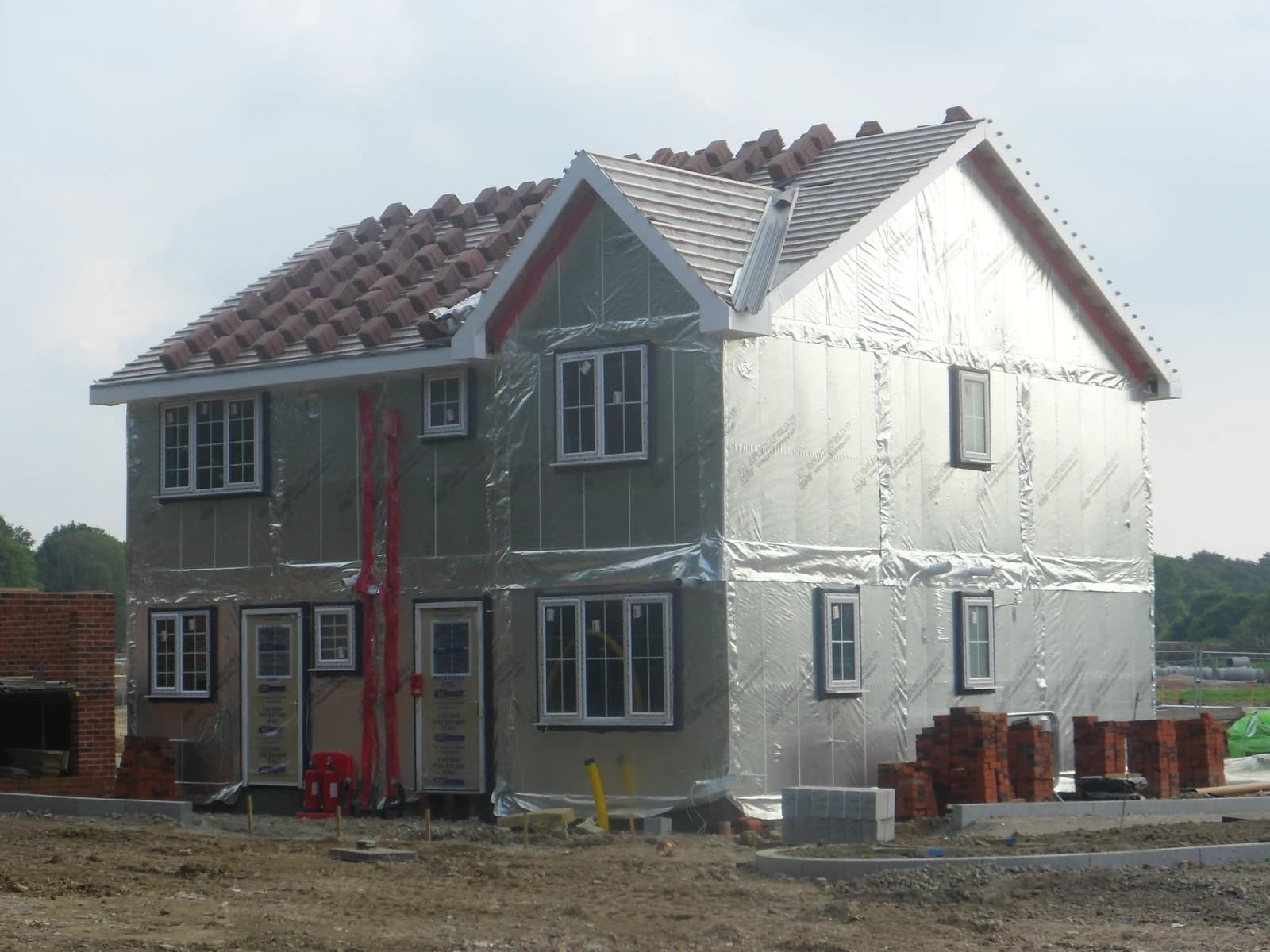
That matters because housing is one of the clearest gauges of household confidence, credit demand and consumer balance-sheet strain. When prices and rents both stay elevated, buyers are forced to compare monthly mortgage costs with leasing costs rather than simply waiting for a cheaper entry point.
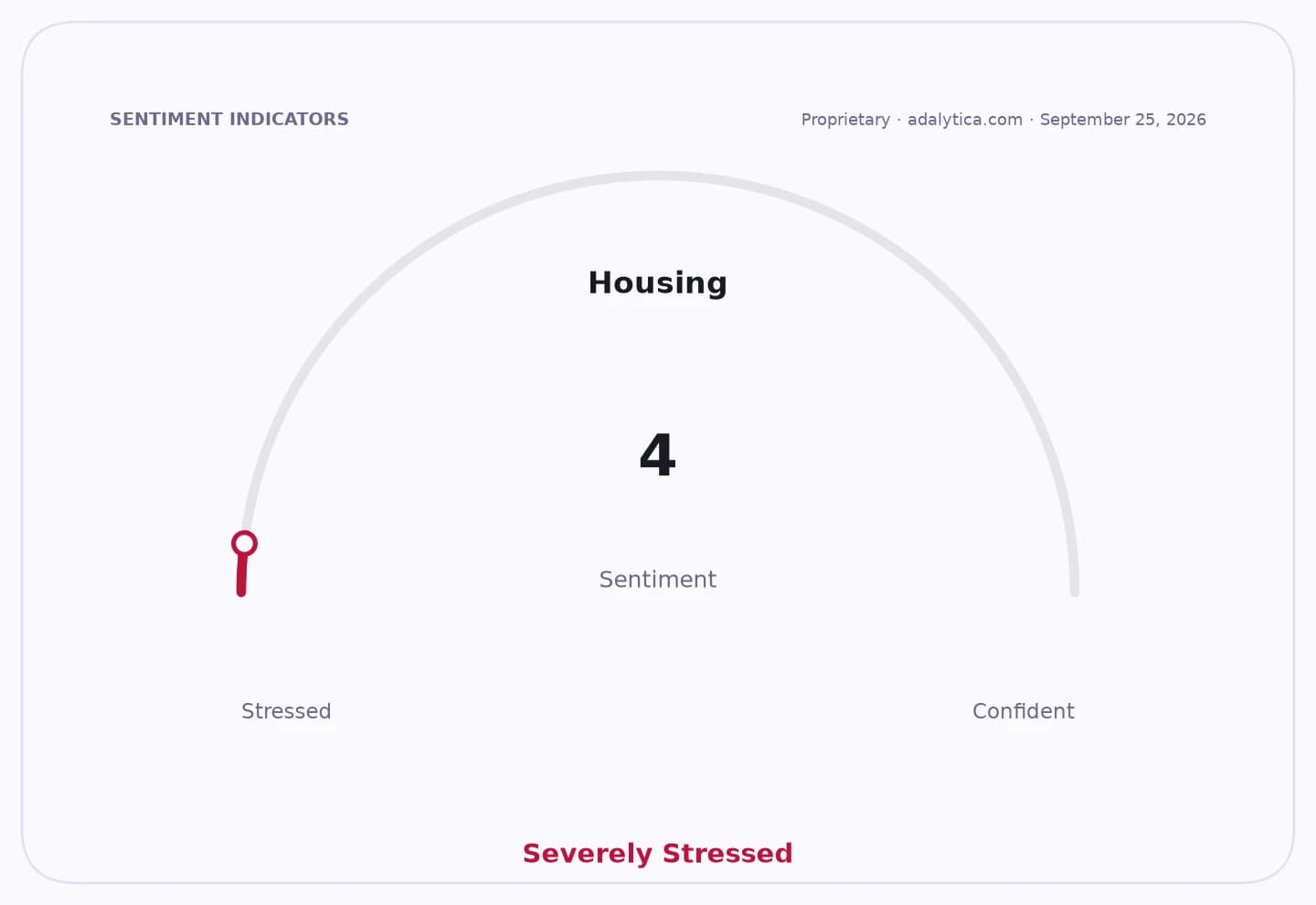
Sentiment IndicatorsⓘProprietary · adalytica.com · August 2, 2026
This is a snapshot — live sentiment, awareness and momentum for 130+ markets update continuously in the dashboard.Open AlphaPulse
The backdrop is a market still shaped by tight inventory. In the Czech Republic, Prague and Brno are seeing stronger demand and shrinking new-apartment supply, a pattern that mirrors pressure across the region and keeps competition intense for well-located stock.
The macro setting is helping underpin that resilience. The US 10-year Treasury yield is around 4.66%, while the unemployment rate sits near 4.18%, a combination that points to a still-firm labor market even as rate-sensitive assets remain sensitive to financing costs. In housing, those conditions tend to favor markets with structural undersupply over places dependent on speculative demand.
That split is showing up in exchange-traded funds tied to homebuilding and real estate. VNQ has climbed to 98.95, above its 50-day and 200-day moving averages, while ITB and XHB have both pulled back from recent levels, suggesting investors are still willing to pay for property income and housing exposure but are more cautious on the homebuilding trade.
Adalytica’s Housing and Rent Inflation Sentiment gauge is flashing “Extreme Fear,” highlighting how sharply the affordability debate has intensified even as the market itself remains resilient. For investors, that keeps focus on landlords, developers and housing-linked lenders with exposure to cities where supply is constrained and pricing power is holding up.
The next test is whether lower financing costs translate into enough transaction volume to unlock demand, or whether persistent affordability pressure keeps activity concentrated in the cheaper, under-the-radar cities that are now outpacing the biggest main centres.
| Entity | Gains | Losses |
|---|---|---|
| Smaller Polish cities | ▲Relative demand, price resilience | ▼Less visibility, tighter supply |
| Big main centres | ▲— | ▼Slower relative growth, affordability pressure |
| Landlords/REITs | ▲Rental demand, pricing power | ▼Tenants facing strain |
| Homebuyers | ▲Lower-rate relief, more options outside core cities | ▼Higher prices in top urban markets |