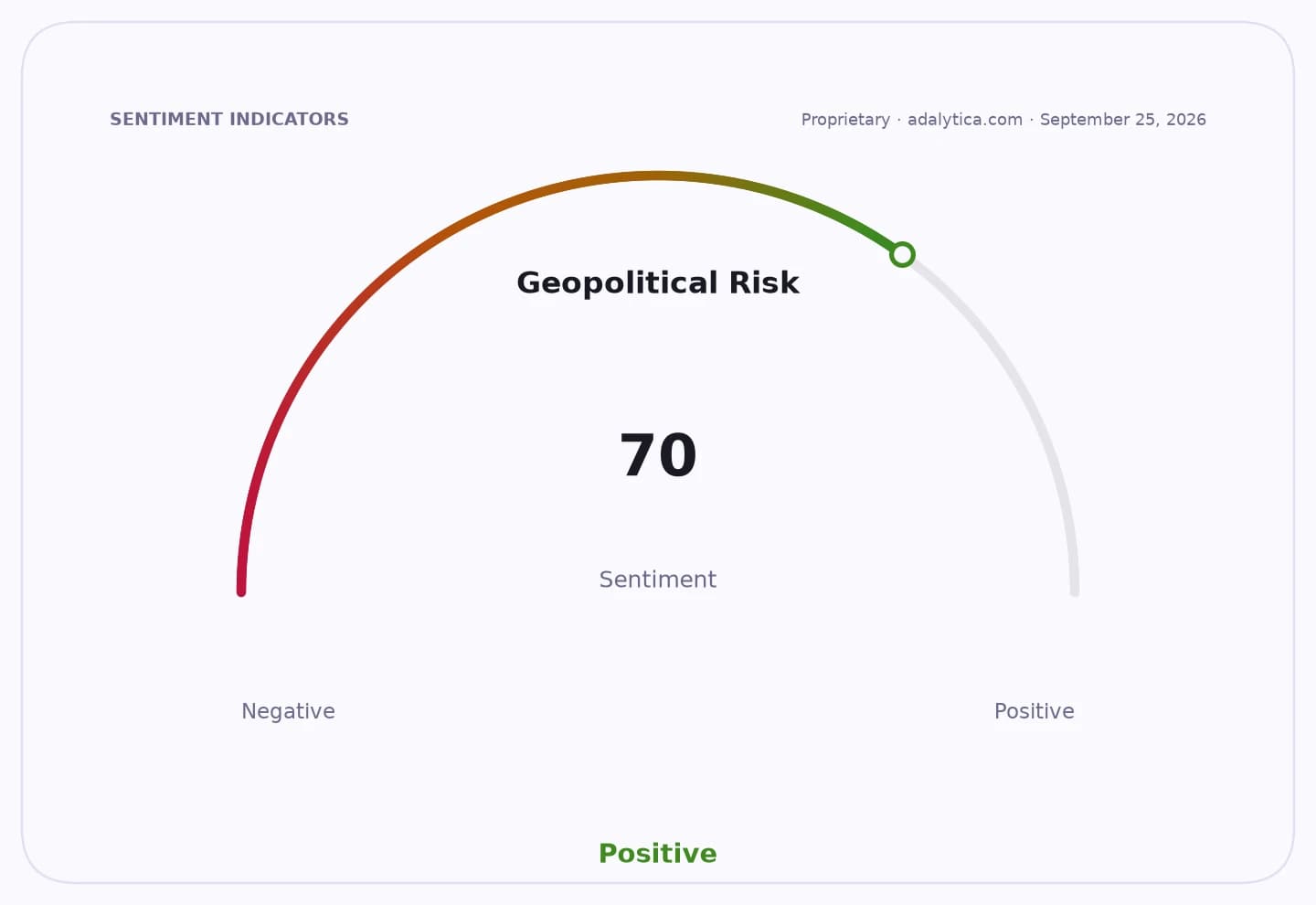
Poland’s government is leaning into one of Europe’s most politically charged issues — migration — as it deepens its hardline stance, rejects the EU migration pact and positions itself as a destination for people fleeing instability, a move that could reshape relations with Brussels and sharpen the continent’s border debate.
Poland Migration Politics Keep EU Tensions Elevated
The stakes are economic as much as political. Poland is trying to preserve domestic support while managing labor-market needs, border security and pressure from neighboring migration routes, all while Europe faces fresh tension after the Berlin attack and heightened fears over illegal crossings from Belarus and Latvia. Hardline migration policy can appeal to voters, but it also risks widening Poland’s rift with the EU at a time when regional coordination matters for funding, security and labor supply.
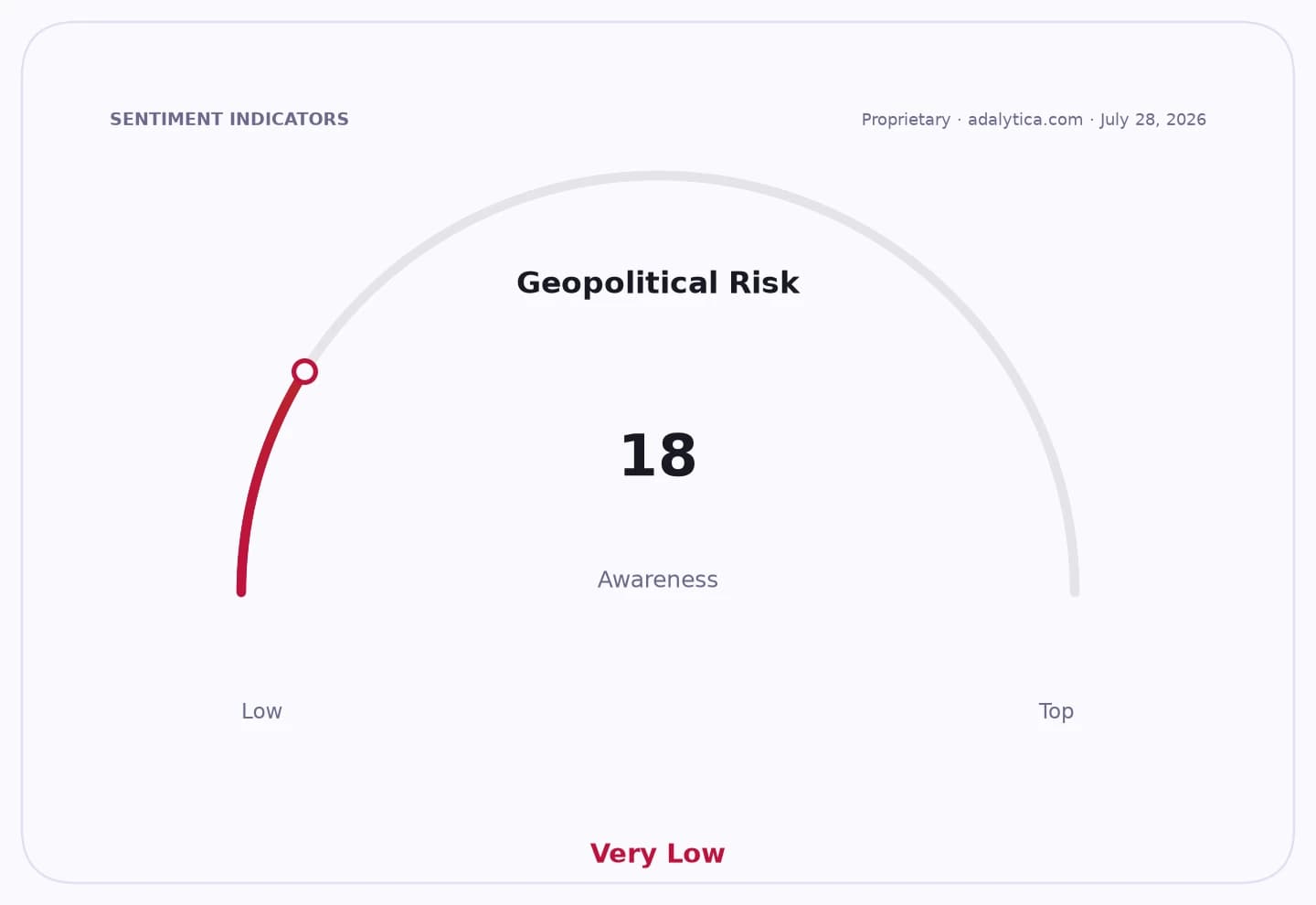
Sentiment IndicatorsⓘProprietary · adalytica.com · July 28, 2026
This is a snapshot — live sentiment, awareness and momentum for 130+ markets update continuously in the dashboard.Open AlphaPulse
The backdrop is already fragile. Warsaw has deported a record number of foreigners and aligned with Hungary in opposing Brussels’ migration framework, a sign the issue is becoming a central test of sovereignty for governments across eastern Europe. Estonia’s move to arrest migrants linked to border pressure at the Latvia-Belarus frontier underscores how migration is once again spilling across the region, forcing governments to spend more on enforcement and border controls.
For investors, the immediate market read-through is not a direct earnings story but a policy-risk story. Poland’s zloty has held near 3.81 per dollar, with the currency trading above both its 50-day and 200-day moving averages, while the iShares MSCI Poland ETF has climbed to 41.07, near the top of its recent range. That suggests markets are not pricing in acute stress yet, but they are watching whether escalating migration politics spill into broader EU tensions, fiscal outlays or investor sentiment toward Polish assets.
Geopolitical Risk vs PLN=Xadalytica.com
Explore this data interactively — full history, time series and cross-market comparisons.Open AlphaPulse
The country’s own political backdrop adds another layer of risk. With internal splits in the ruling PiS party and an election cycle building toward 2027, migration is likely to remain a campaign issue rather than fade into the background. If tensions with Brussels worsen, the next flashpoint could be funding, border policy or broader cooperation on security — all of which can matter for Polish sovereign spreads, the currency and domestic-facing equities.
| Entity | Gains | Losses |
|---|---|---|
| Poland’s ruling hardliners | ▲Domestic support | ▼EU goodwill |
| Brussels / EU migration pact | ▲None | ▼Policy authority |
| Polish border-security names | ▲Higher budget focus | ▼Policy uncertainty |
| Polish consumers / importers | ▲Potentially stronger security | ▼A more politicized EU split |