More acts of aggression against Ukrainian refugees are being registered in Poland, and that matters far beyond the border because it threatens to erode public support for one of the continent’s most important wartime safety valves.
Poland Refugee Tensions Pose Slow-Burn Risk
For investors, the key issue is not the headline crime count itself but what it says about social strain inside Poland, a country that has absorbed millions of Ukrainians since Russia’s full-scale invasion. If hostility toward refugees keeps rising, it can complicate labor supply, consumer demand and political stability at a time when Europe needs Poland to remain both an economic engine and a frontline security state.
The backdrop helps explain why this is a real economic story, not just a humanitarian one. Poland became a crucial destination for Ukrainians fleeing war, and that influx helped support parts of the labor market, local consumption and housing demand. But it also brought pressure on schools, cities, public services and politics. As the war drags on, goodwill can fray, especially when domestic anxieties around jobs, housing and identity collide with memories of painful history.
That historical tension has been laid bare again by recent memorial events in Poland for the victims of the World War II Volyn massacre, and by Prime Minister Donald Tusk’s pledge to build a monument in their honor. Those gestures are about remembrance, but they also underline how delicate Polish-Ukrainian relations remain. When historical grievances resurface alongside reports of more aggression toward refugees, the risk is that a wartime alliance rooted in solidarity starts to look more fragile and more politicized.
Markets are unlikely to react directly to isolated incidents, but investors should pay attention to the broader implications. Poland’s exchange-traded fund, EPOL, has been trading well above its 50-day and 200-day moving averages, which suggests the market still sees resilience in the country’s outlook. But rising social tension is the sort of slow-burn risk that can eventually feed into policy, wage pressure and consumer sentiment. In a country that has benefited from manufacturing, logistics and domestic demand, a deterioration in social cohesion could become an economic headwind if it persists.
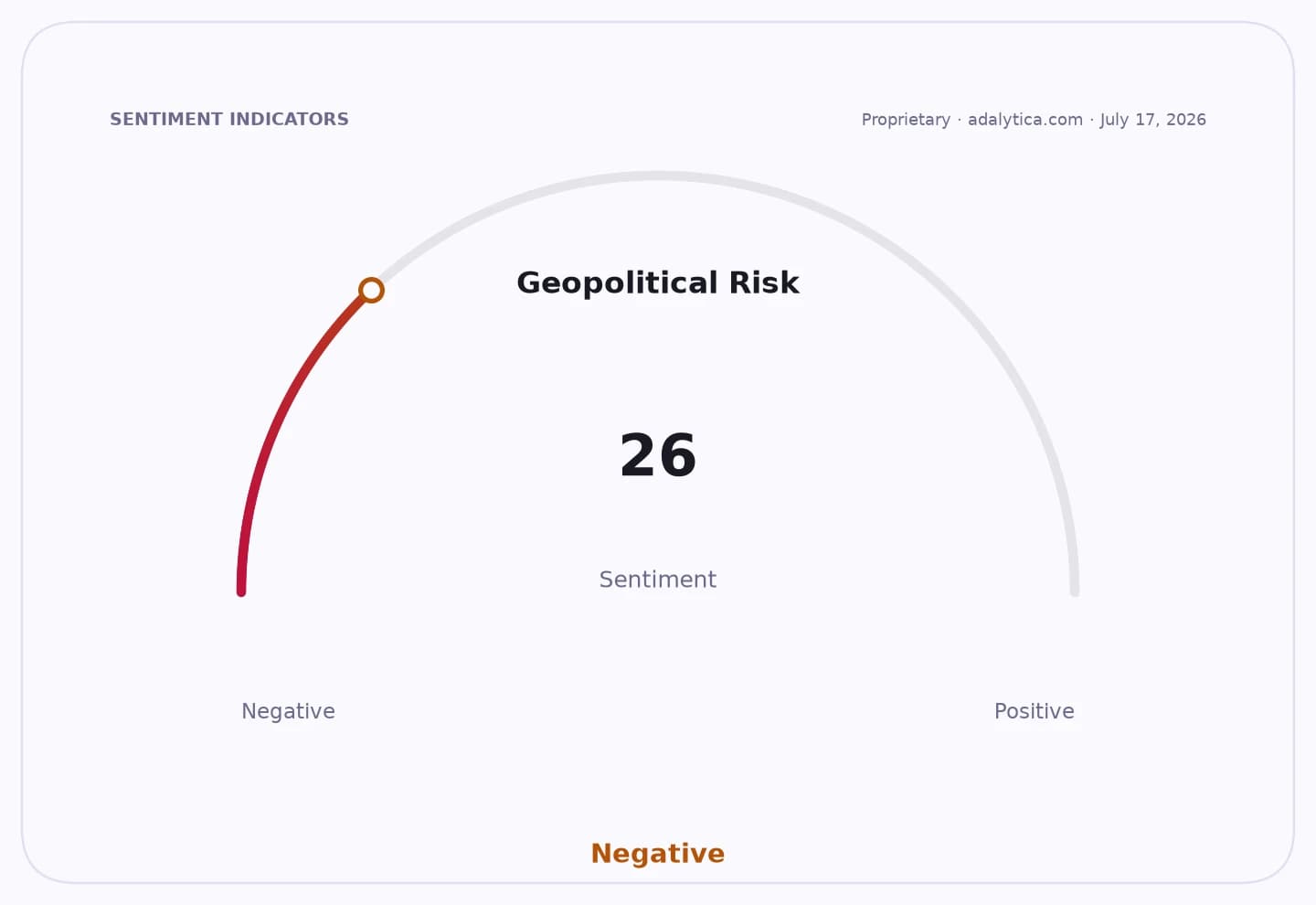
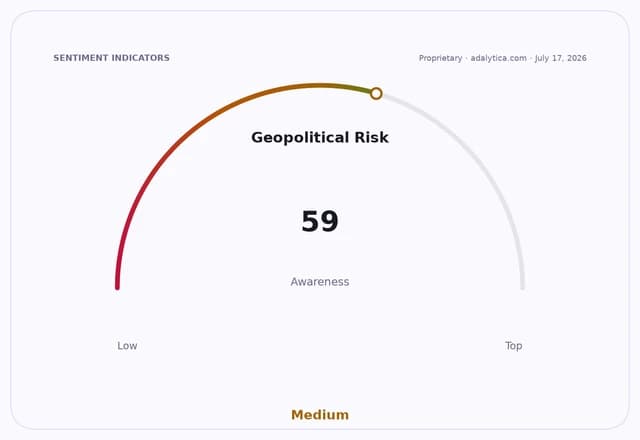
The global backdrop does not help. Adalytica’s Global Stability Sentiment gauge sits in Fear territory, reflecting a world that is already uneasy about geopolitical risk. That makes local fault lines more important, not less. Poland remains strategically vital to Europe’s security and to Ukraine’s survival, but the longer the war lasts, the more pressure there will be on host societies that have shouldered the burden.
For long-term investors, the lesson is simple: the refugee story in Poland is not just about compassion, it is about capacity. Countries can absorb extraordinary shocks for a time, but the political and social cost rises if conflict becomes permanent. Poland still has structural strengths, but the rise in aggression toward Ukrainians is a warning sign worth watching closely.
| Entity | Gains | Losses |
|---|---|---|
| Polish nationalist voices | ▲political traction | ▼social cohesion |
| Ukrainian refugees in Poland | ▲short-term sympathy | ▼safety and stability |
| Poland’s government | ▲chance to show resolve | ▼pressure over integration |
| Long-term investors in Poland | ▲clarity on risk factors | ▼lower confidence if tensions spread |