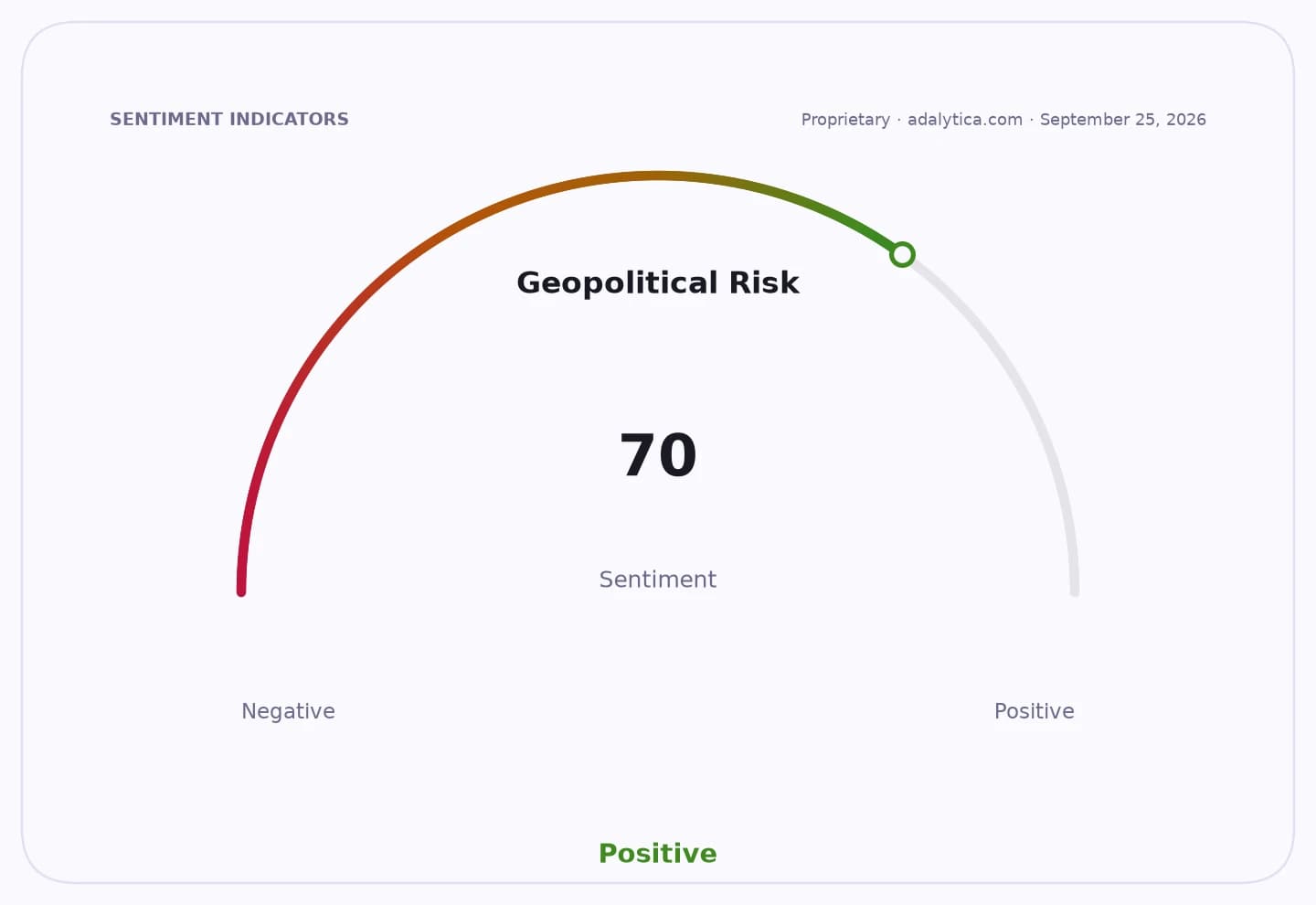
Poles are growing more dissatisfied with the direction of the country, and that matters because weak public confidence rarely stays confined to opinion polls — it can bleed into consumer spending, policy stability and investor appetite.
Poland sentiment weakens as EPOL stays overbought
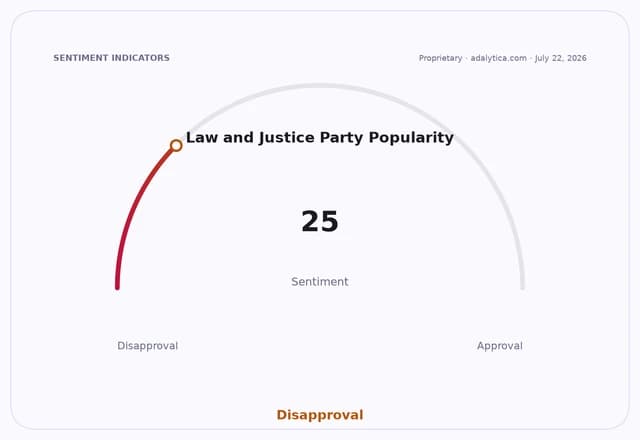
The latest snapshot points to a clear deterioration in sentiment around the Law and Justice camp, with Adalytica’s gauge showing “fear” and a sharp one-day drop in its measure. That fits a broader picture of rising unease in Poland, where political disputes over deregulation and tensions involving Ukraine and NATO security concerns are feeding a more fragile domestic backdrop.
Sentiment IndicatorsⓘProprietary · adalytica.com · July 22, 2026
This is a snapshot — live sentiment, awareness and momentum for 130+ markets update continuously in the dashboard.Open AlphaPulse
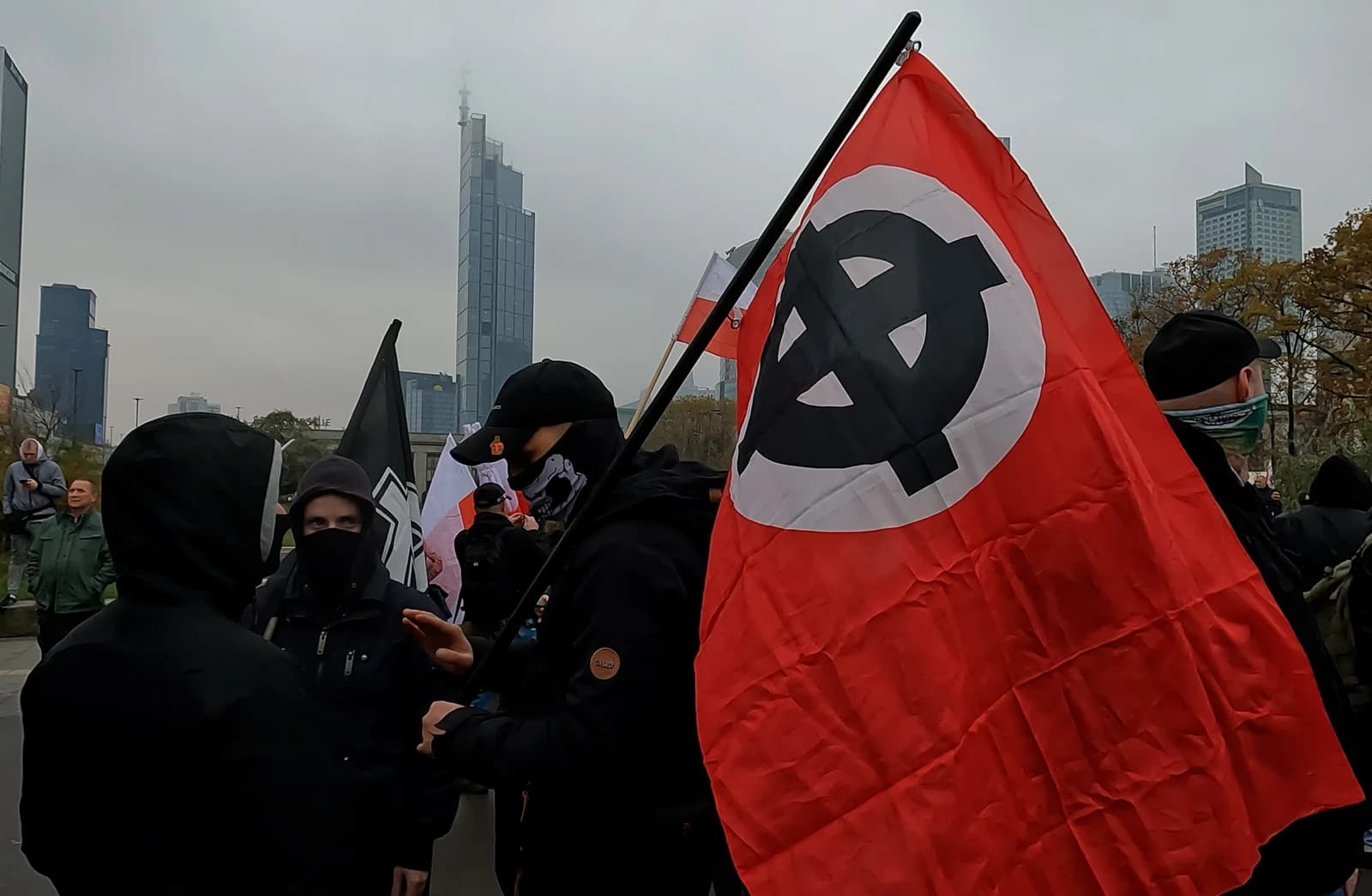
For investors, the key issue is not just politics, but predictability. When public dissatisfaction rises, governments often face more pressure to change course, and that can slow reform agendas, complicate business planning and raise the perceived risk premium on local assets. In an economy like Poland’s, where growth depends on both household confidence and outside capital, that is not a trivial shift.
The market is not ignoring it. The iShares MSCI Poland ETF, EPOL, has been resilient, recently trading above both its 50-day and 200-day moving averages, a sign that longer-term investors still see value in Polish equities. But the ETF has also run hot: its relative strength index has pushed into overbought territory, suggesting the rally may need to digest recent gains if sentiment worsens further. In plain English, the market is still constructive on Poland, but it is not pricing in a lot of room for fresh political disappointment.
Law and Justice Party Popularity vs EPOLadalytica.com
Explore this data interactively — full history, time series and cross-market comparisons.Open AlphaPulse
That is where the geopolitical backdrop becomes important. NATO has warned that any Russian attack on Poland or the Baltic states would bring severe consequences, underscoring that Poland remains on the front line of Europe’s security risk. For companies, that can mean higher defense spending and continued support for parts of the industrial economy. For consumers and investors, it also means the premium for stability remains elevated.
There is a longer-term investing lesson here. Countries can grow through political noise, but they tend to do best when institutions are predictable and voters feel confident in the future. If dissatisfaction keeps building, Poland could face more volatility in equities, the currency and domestic demand-sensitive sectors. If policymakers can restore trust, the market could keep rewarding Polish assets, especially given the country’s strategic role in Europe.
For now, investors should treat Poland as a market worth watching, not chasing. The fundamentals are not broken, but the mood is clearly less favorable, and in investing, sentiment often becomes reality before the numbers fully catch up.
| Entity | Gains | Losses |
|---|---|---|
| Foreign investors | ▲Higher yields, cheaper entry points | ▼Rising policy uncertainty |
| Polish consumers | ▲Possible policy attention | ▼Lower confidence, weaker spending |
| Defense sector | ▲More spending, security demand | ▼Peace dividend fades |
| EPOL bulls | ▲Trend still intact | ▼Overbought risk, sentiment shock |