Polish households still keep an enormous share of their wealth in cash, and that stubborn preference is shaping where money flows in the country’s financial system.
Polish households keep 11% of wealth in cash
By the end of the second quarter, cash held by Polish families reached 472.7 billion zlotys, according to the Polish Development Fund, even as total financial assets climbed to a record 4.2 trillion zlotys. That means more than 11% of household financial wealth is sitting idle in banknotes and coins, a striking figure in an economy that has spent recent years battling inflation and pushing savings toward more productive uses.
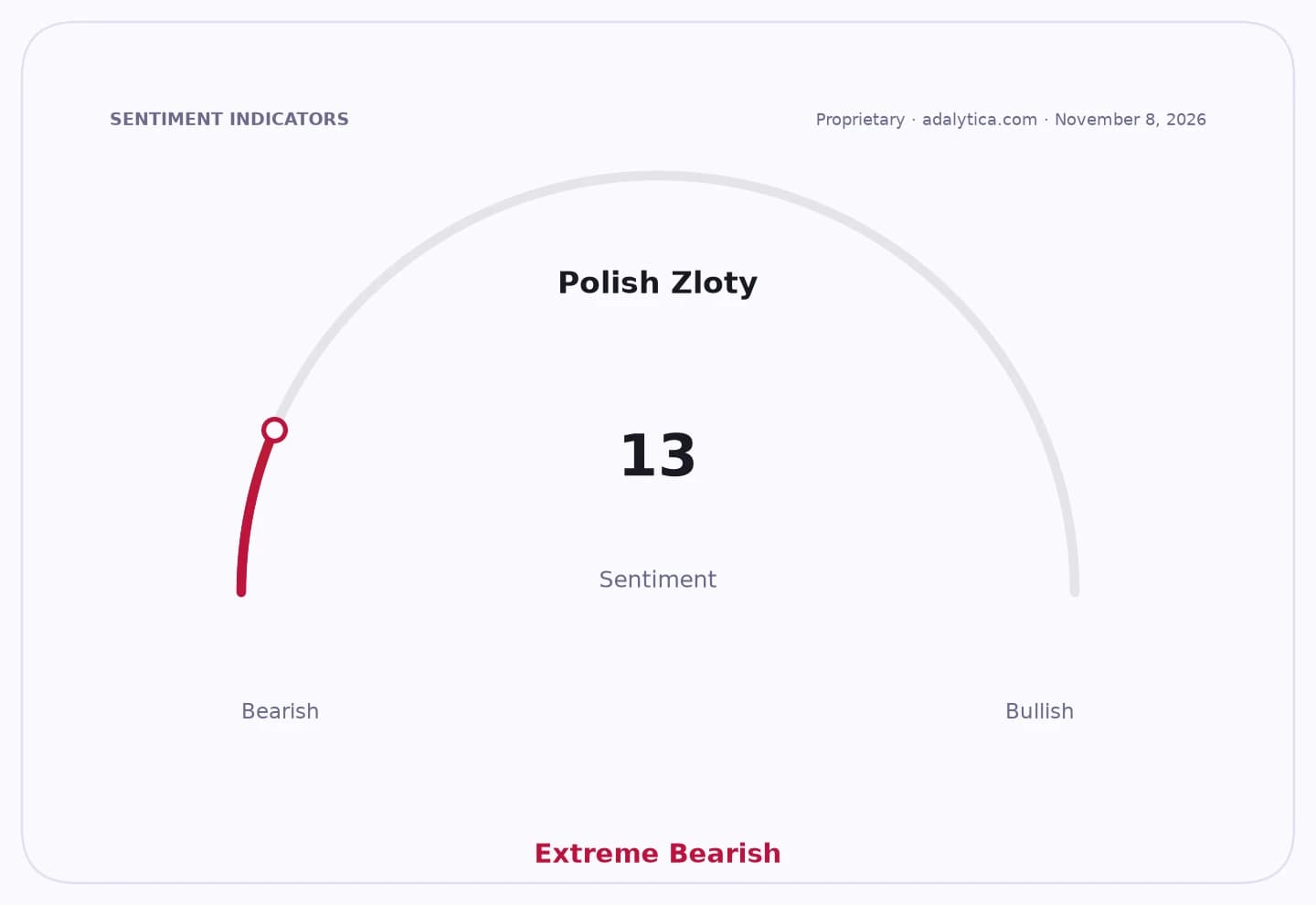
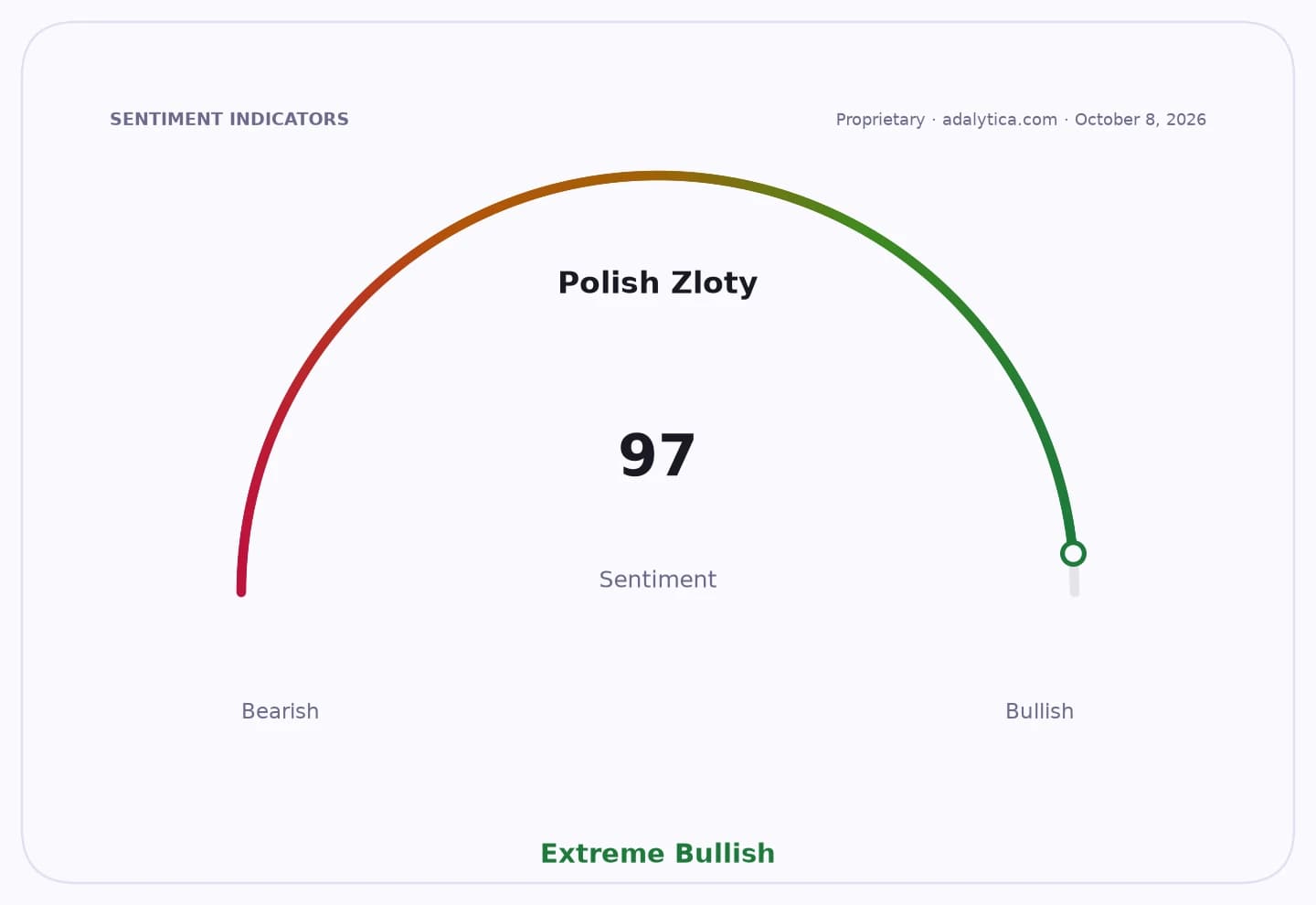
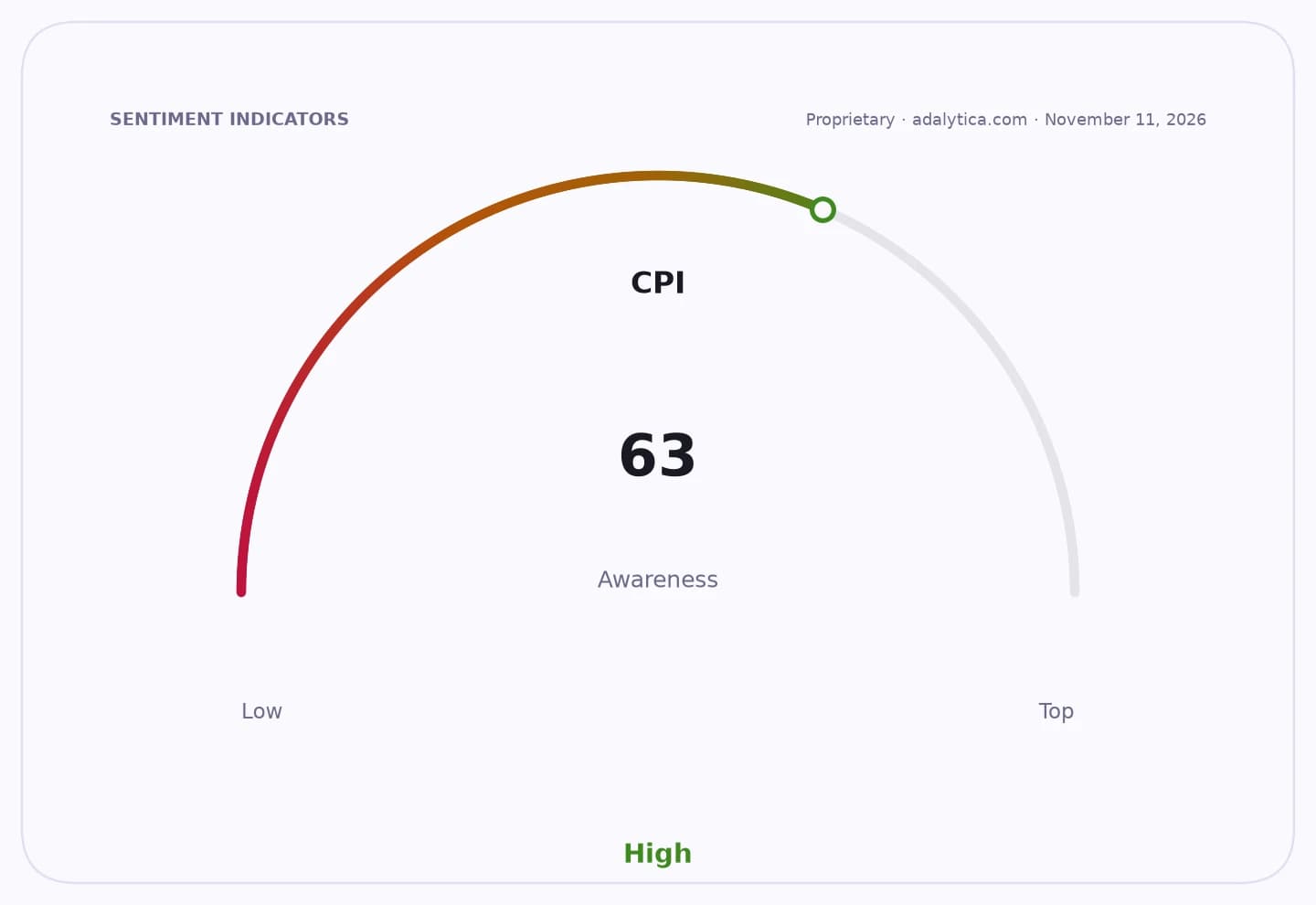
Sentiment Indicators
The bigger story for markets is not just the size of the pile, but what it says about the speed of financial deepening in Poland. Household assets rose 15.5% from a year earlier, the fastest pace since early 2021, helped by a strong stock market and rising pension claims. Yet the structure of those assets still looks defensive: current deposits accounted for 26.6% of the total, cash for 11.3%, and only a gradually expanding share is moving into pension-linked products. In other words, the balance sheet of the Polish consumer remains conservative even as the economy modernizes.
That matters because cash-heavy households do not recycle savings into capital markets as quickly as investors in Western Europe or the U.S. do. It leaves banks with a large liquidity base, but it also limits the scale of long-term domestic capital formation. For Poland’s equity market, pension savings are the real incremental buyer, and the data show those assets are rising fast enough to matter. PFR said pension and retirement claims climbed 44 billion zlotys in just one quarter, with the value of those claims now 11.6% of household assets, making them the second-largest component.
For investors, the implication is straightforward: Poland still has a sizeable reservoir of low-yielding cash that can be pulled into deposits, funds and pension products if inflation remains contained and returns on alternatives improve. That creates a structural tailwind for banks, asset managers and the domestic stock market over time. PEO, one of the key Polish lenders, has already reflected that optimism in its share price, which has risen well above both its 50-day and 200-day moving averages, though recent trading has cooled from overbought levels.
The offset is debt. Polish household liabilities rose to more than 899 billion zlotys, up 6.3% from a year earlier, with long-term loans dominating. That suggests consumers are not abandoning prudence, but they are still carrying meaningful leverage while keeping a large liquidity buffer at home and in bank accounts.
The investable thesis is that Poland’s cash culture is not a deadweight so much as a delayed catalyst. If inflation stays lower and wage growth holds up, the next wave of household reallocation could be powerful, benefiting banks, pension providers and domestic equities before it shows up fully in the macro data.
| Entity | Gains | Losses |
|---|---|---|
| Polish banks | ▲Low-cost deposits | ▼Higher-yield savings alternatives |
| Pension funds | ▲Rising household inflows | ▼Cash holdings at home |
| Polish equities | ▲More domestic capital | ▼Dormant household liquidity |
| Cash savers | ▲Immediate liquidity | ▼Real returns after inflation |