Polygon is making it easier for payment companies to move stablecoins across blockchains, and that matters because the winners in digital money are likely to be the firms that make settlement invisible.
Polygon Adds TRON Support for Stablecoin Payments
By adding TRON support to its Open Money Stack, Polygon now lets businesses offer stablecoin payments and cross-border transfers through a single integration, including the ability to move USDT between TRON and supported Ethereum Virtual Machine networks without separately connecting to a wallet provider, bridge or fiat-ramp operator. For remittance firms, fintechs and payment processors, that cuts a lot of operational friction out of a business that still runs on compliance, liquidity and speed.
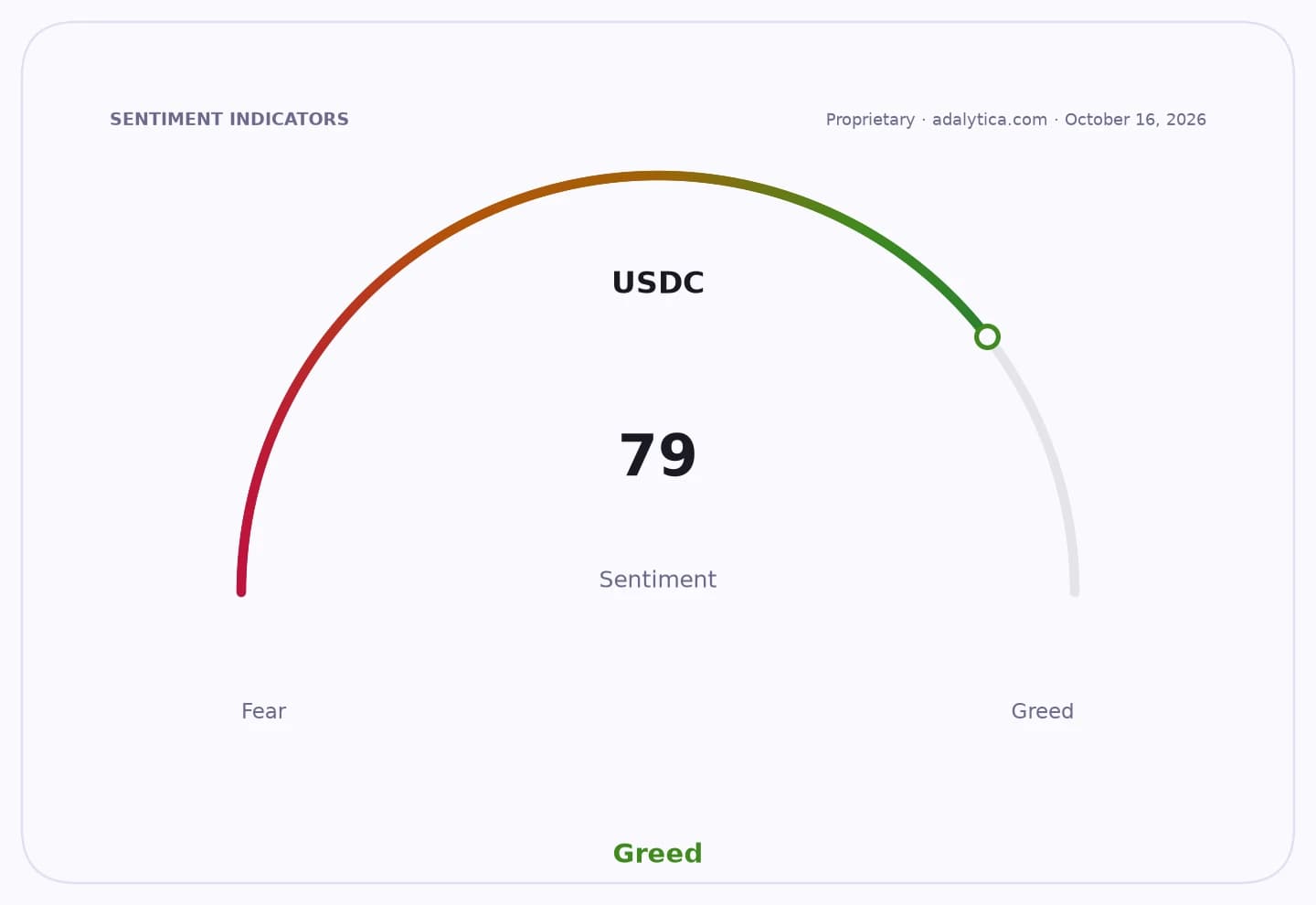
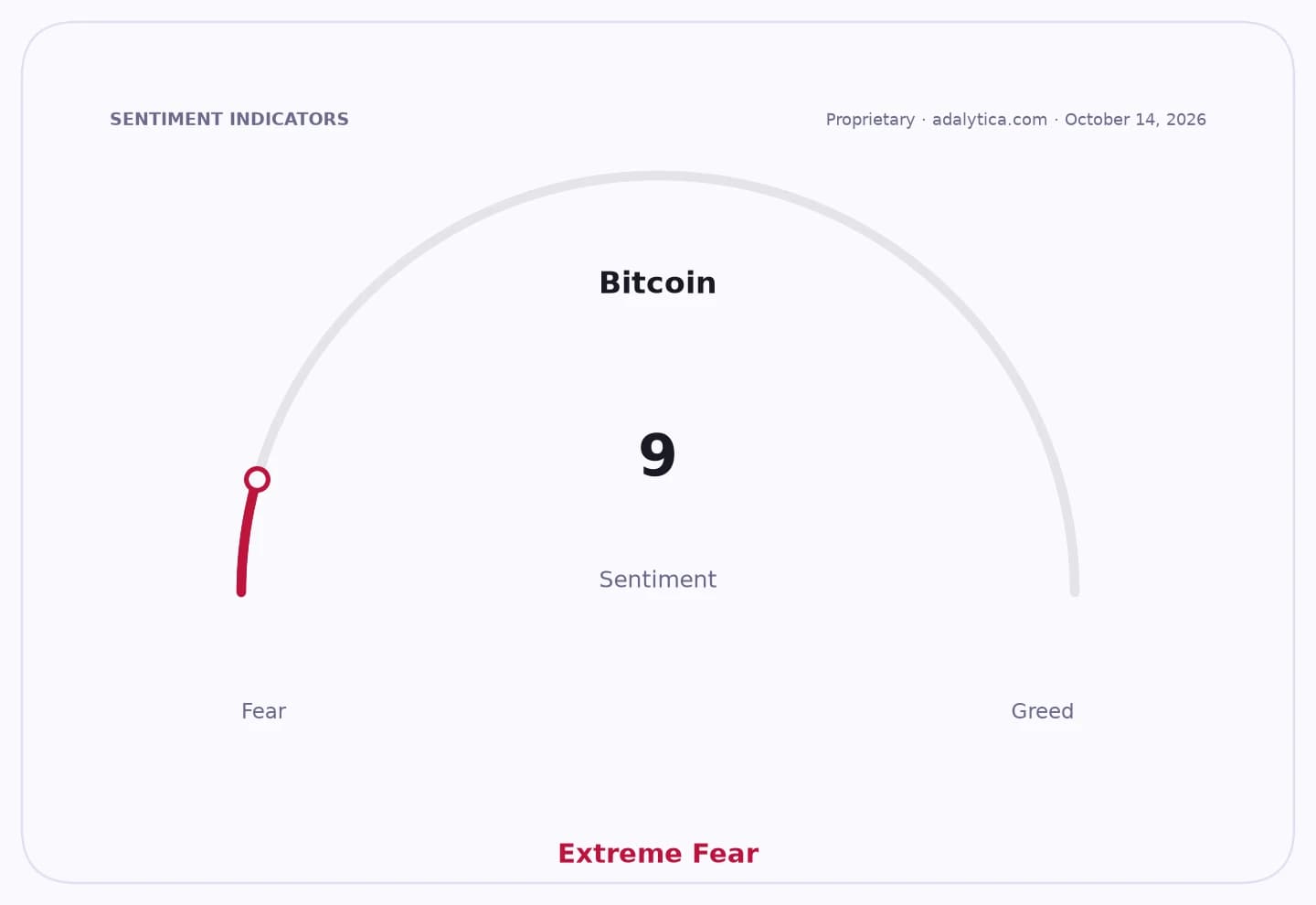
Sentiment IndicatorsⓘProprietary · adalytica.com · October 9, 2026
This is a snapshot — live sentiment, awareness and momentum for 130+ markets update continuously in the dashboard.Open AlphaPulse
The biggest prize here is TRON’s scale. Polygon pointed to more than $94 billion of Tether’s USDT circulating on the network, underscoring how deeply TRON is already embedded in dollar-denominated crypto payments. That makes TRON less of a niche blockchain and more of a payments rail, especially in markets where users want low-cost transfers and quick cash-out options rather than speculative crypto exposure.
That is why this announcement matters for investors watching the stablecoin stack. The long-term opportunity is not just in owning a token or a chain; it is in owning the infrastructure that connects bank transfers, debit cards, cash pickup and on-chain settlement into one workflow. Polygon’s pitch is that businesses can accept money from the real world, convert it into USDT on TRON and then pay out to a bank account without stitching together multiple vendors. If that model scales, the more valuable layer may be the orchestration software, not the underlying network alone.
For TRON, the partnership reinforces its role as a leading venue for USDT movement. CoinDesk data cited by Polygon said about 93% of TRON’s $30 trillion stablecoin transfer volume in the second quarter was peer-to-peer, the highest share on any network tracked. That kind of usage suggests real transactional demand, not just speculative activity, and it helps explain why the network remains relevant even as the broader crypto market swings.
There is still an important caveat: this does not remove licensing or regulatory obligations for payment firms. That matters because stablecoins are moving closer to regulated finance, not farther away from it. The businesses that survive this transition will be the ones that can combine compliance with scale, and that is where infrastructure partnerships become strategically important.
TRON’s token has been trading around $0.33, below its 50-day moving average of $0.34, while technical readings such as RSI point to a market that has cooled from earlier strength. For long-term investors, though, the more interesting story is not the day-to-day price chart. It is whether stablecoin infrastructure becomes as essential to global payments as card networks and bank rails are today.
Polygon’s move says the race is shifting from building blockchain ecosystems to connecting them. If stablecoins keep winning share in cross-border transfers, the firms that make those transfers seamless could be among the market’s most durable compounders. Worth watching.
| Entity | Gains | Losses |
|---|---|---|
| Polygon | ▲More payment integrations | ▼Complexity from regulation |
| TRON / USDT | ▲Greater distribution and utility | ▼Less isolation from competition |
| Remittance firms / fintechs | ▲Simpler stablecoin workflows | ▼Dependence on compliance partners |
| Bridge / wallet providers | ▲Fewer required connections | ▼Disintermediation pressure |