Household debt in Portugal accelerated sharply in September, a warning sign that borrowing appetite is picking up even as the country’s broader non-financial sector debt climbed to 894.6 billion euros.
Portugal household debt rose 10% in September
That matters because the increase is being driven by the most rate-sensitive part of the economy — housing credit — at a time when elevated borrowing costs are still weighing on consumers and companies across Europe. When debt growth re-accelerates this quickly, it can support near-term spending and asset prices, but it also raises the risk that balance sheets become more vulnerable if growth slows or financing conditions tighten again.
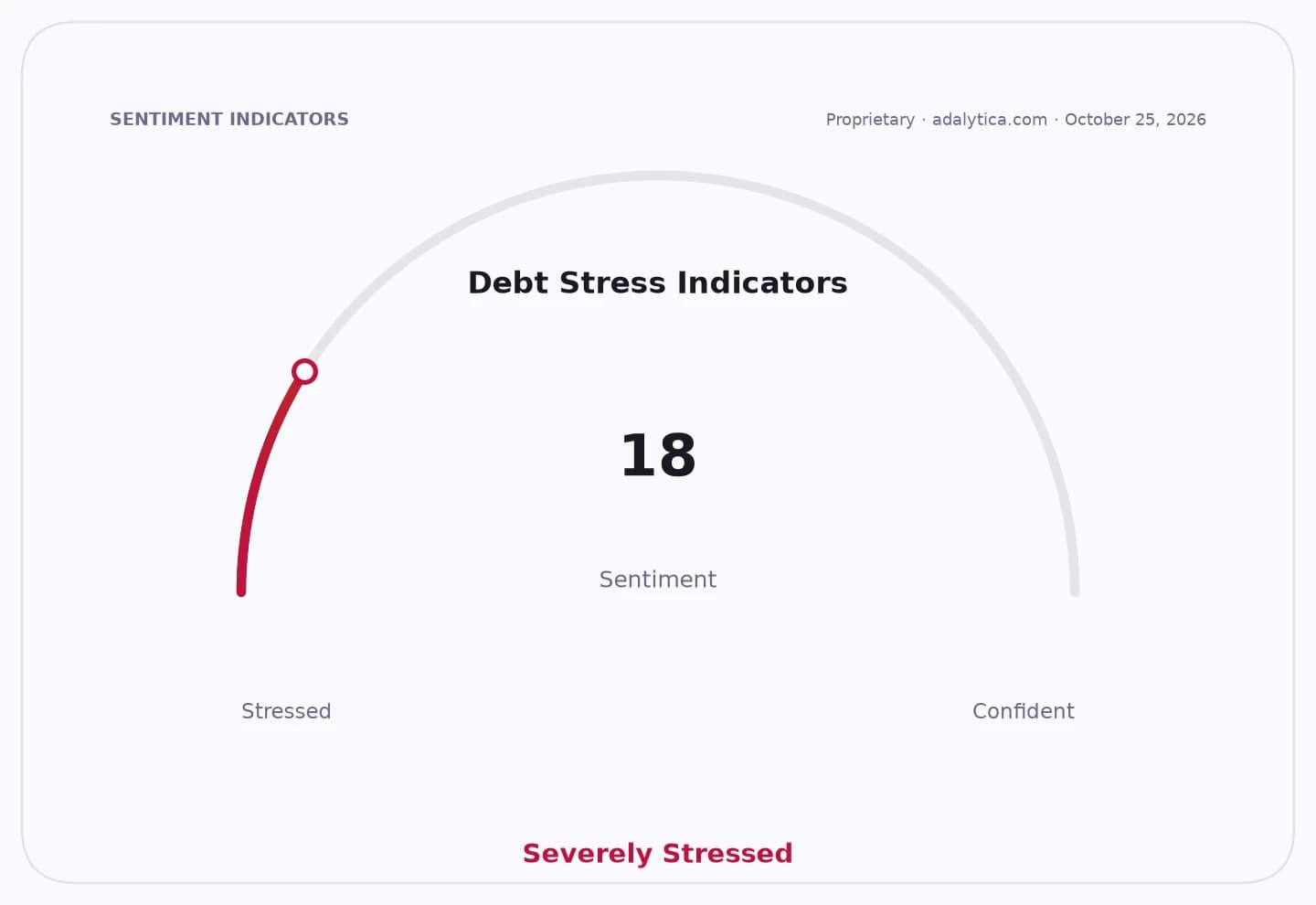
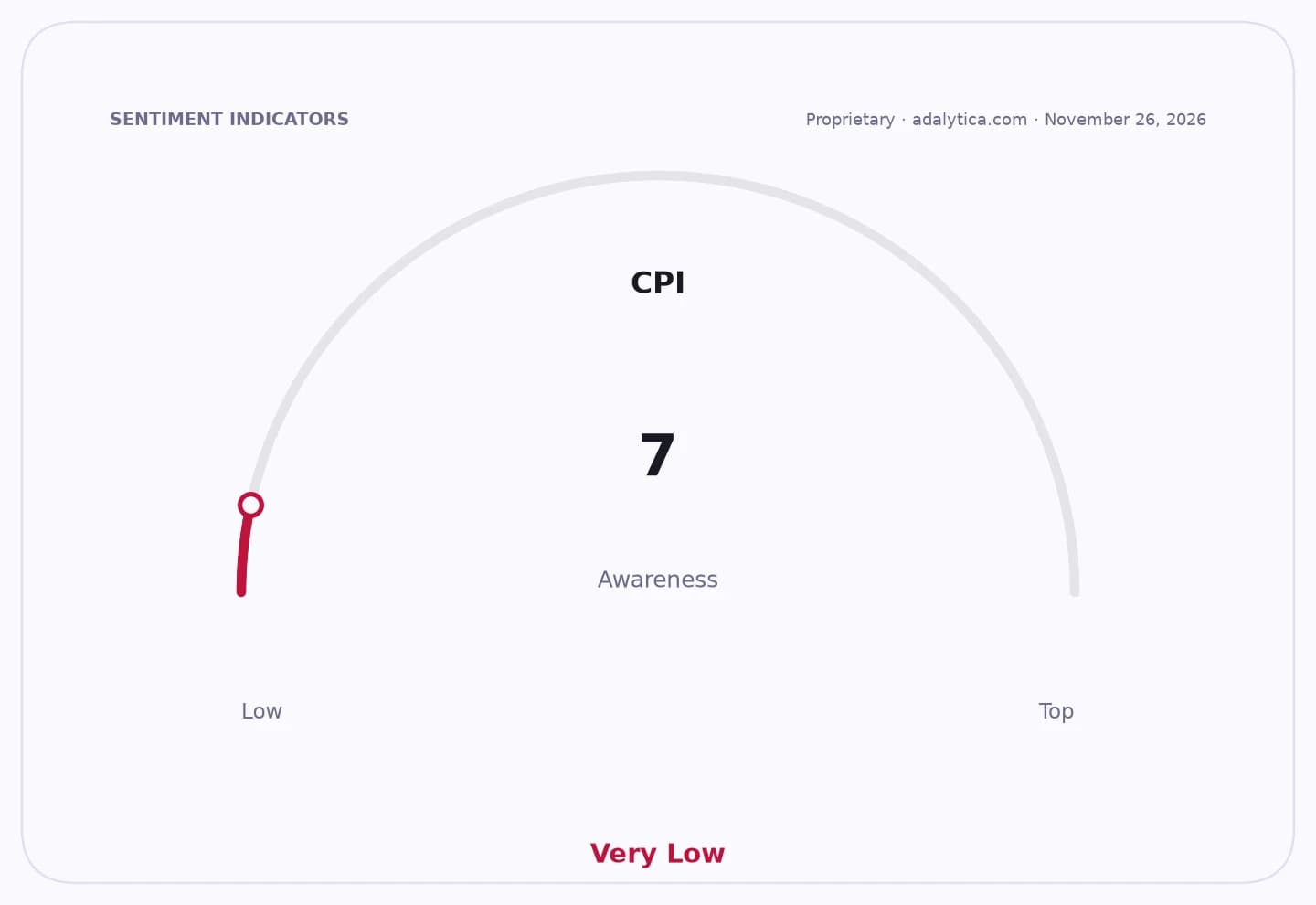
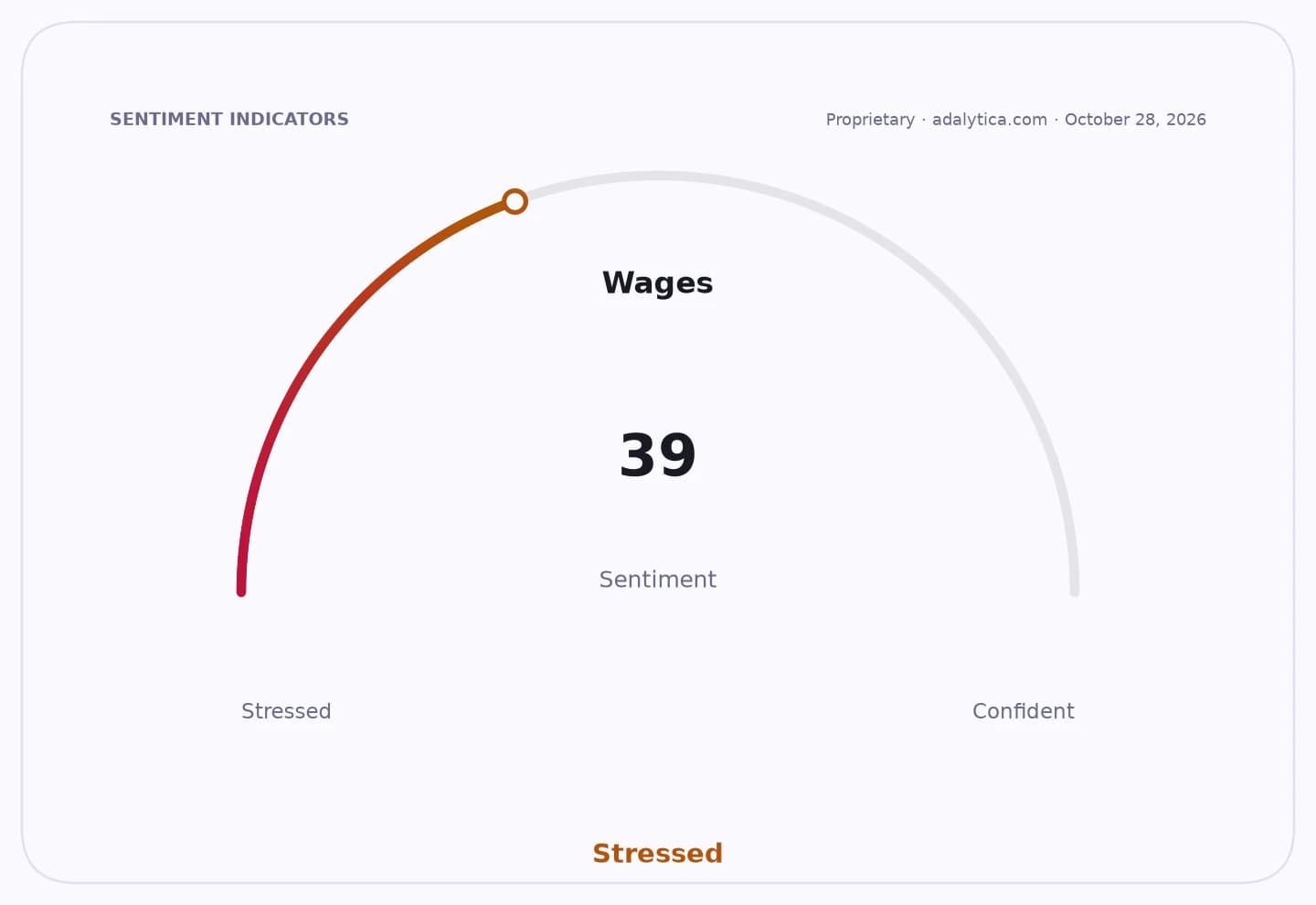
Sentiment Indicators
According to Banco de Portugal, total non-financial sector indebtedness rose 1.6 billion euros in September from August. The private sector accounted for the increase, adding 2.9 billion euros to 507.2 billion euros, while public-sector debt fell 1.3 billion euros to 387.4 billion euros.
Within the private sector, household debt increased 1.4 billion euros, driven by mortgage lending from financial institutions. Private companies added another 1.5 billion euros. On an annual basis, household debt growth accelerated to 10%, while corporate debt rose 4.7%.
The message for investors is straightforward: Portugal’s credit cycle is not merely stabilizing, it is heating up in the household segment. That can be constructive for banks with mortgage exposure and for sectors tied to domestic consumption, but it also means lenders will be watching delinquency trends and funding conditions more closely. For borrowers, the shift suggests demand for housing finance remains resilient despite a still-costly rate environment.
The public-sector decline offers some offset, helped by lower borrowing and a rise in holdings of savings certificates and treasury products among households. But the bigger narrative is the private-sector re-leveraging. In a eurozone economy still adjusting to tighter monetary policy, Portugal’s September numbers point to credit demand proving more durable than many expected.
For investors, the takeaway is to treat this as an early-cycle signal for Portuguese financials and domestically exposed assets, while staying alert to any signs that faster debt growth starts to outpace income and employment gains. If household borrowing keeps accelerating, the beneficiaries will be lenders and housing-related sectors; if not, the risk is a later-stage squeeze on credit quality.
| Entity | Gains | Losses |
|---|---|---|
| Portuguese banks | ▲Mortgage lending growth | ▼Credit risk if delinquencies rise |
| Households | ▲Easier access to housing credit | ▼Higher leverage burden |
| Private companies | ▲More financing availability | ▼Refinancing sensitivity |
| Public sector | ▲Lower debt load | ▼Less fiscal stimulus support |