Romanians are increasingly using loans not just to buy homes, but to keep up with everyday life as inflation, a weaker currency and higher prices squeeze household budgets.
Romanian households borrow more as mortgages slow
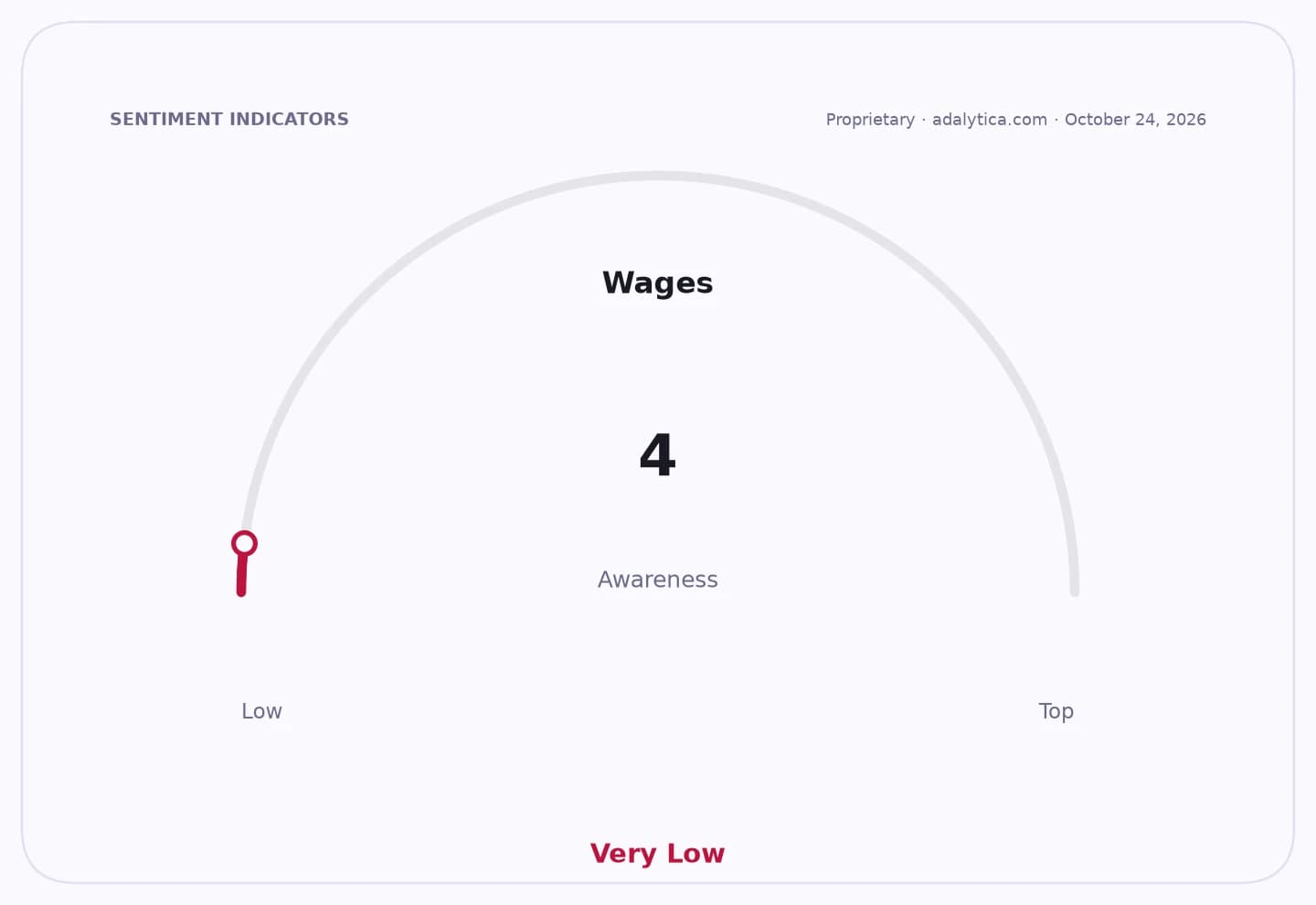
Wages
That is the message from CEC Bank, and it matters because it shows how the country’s credit market is being reshaped by strained real incomes rather than by a healthy appetite for bigger purchases. When a family starts financing appliances, education, mobility or travel, borrowing has moved from a growth tool to a bridge over a widening affordability gap.
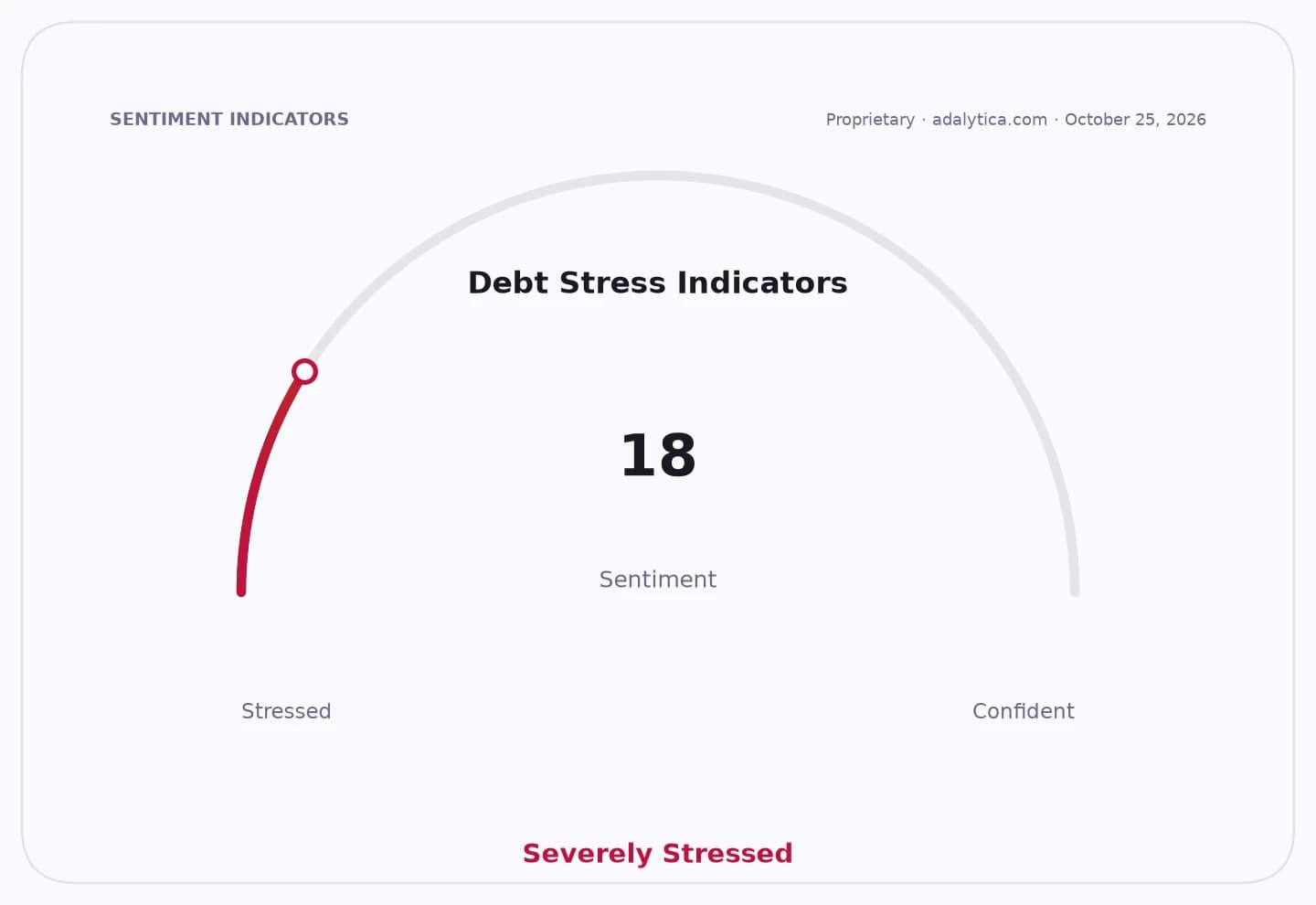
Sentiment Indicators
Gabriel Pralea, a CEC Bank representative, said the gap between disposable income and monthly spending has narrowed so much for lower- and middle-income households that “any medium-sized investment” now needs extra financing. In plain terms, a rising share of Romanian consumers are borrowing to preserve the lifestyle they had before prices moved higher.
The split in the lending market tells the same story. Mortgage credit is losing momentum, with CEC Bank saying the housing market saw a decline of almost 10% in mortgage lending. That lines up with a softer property market, where apartment prices rose about 17% in the first eight months of the year even as individual transactions fell roughly 9%. For many would-be buyers, home ownership is becoming harder to reach at the same time as the upfront cost of living is climbing.
Consumer loans, by contrast, are still growing. That may sound positive on the surface, but it is really a sign that households are turning to shorter-term borrowing to cover immediate needs rather than taking on long-term housing debt. If economic conditions improve, that trend could continue. If not, CEC Bank warned consumer credit could slow within six to 12 months.
There is another important wrinkle for investors and savers: Romanians are also putting more money aside. In the first eight months of the year, savings rose 7.7%, slightly ahead of the 7.2% increase in lending. That suggests households are not simply spending recklessly; they are becoming more cautious, splitting between precautionary savings and borrowing to plug gaps. In banking terms, that is a classic late-cycle pattern, where customers become more selective, more price-sensitive and more vulnerable to shocks.
For lenders, the opportunity is still real, but the mix is changing. Banks that can offer fast, simple consumer credit and digital tools may keep attracting demand. Yet the bigger lesson is that Romanian households are under pressure, and pressure is rarely good for durable credit growth. Over the long run, the winners will be banks that help customers make better long-term decisions, not just faster ones.
For investors, the key takeaway is to watch whether consumer lending is being powered by confidence or by necessity. If it is the latter, the growth story could prove less durable than it looks. For patient investors, that means focusing on institutions with strong underwriting, fee discipline and digital reach, and treating loan growth as something to assess over years, not quarters.
| Entity | Gains | Losses |
|---|---|---|
| Romanian households | ▲Short-term access to cash | ▼Higher debt burdens |
| Consumer lenders | ▲Loan demand | ▼Credit risk if incomes weaken |
| Mortgage lenders | ▲— | ▼Slower housing credit growth |
| Savers | ▲Higher precautionary balances | ▼Lower immediate consumption |