Inflation in Portugal is set to accelerate to 3.2% this year as higher fuel prices tied to the war in the Middle East feed through to households and businesses, a reminder that Europe’s energy shock is still capable of re-igniting price pressure even after the worst of the post-pandemic surge.
Portugal Inflation Seen at 3.2% on Higher Fuel Prices
That matters because Portugal is not just dealing with a one-off bump at the pump. Rising energy costs ripple through transport, food distribution, tourism, and wage negotiations, squeezing real disposable income and making it harder for policymakers to declare victory over inflation. With the European Central Bank already balancing the need to protect growth against stubborn price expectations, fresh inflation pressure in the eurozone’s periphery reinforces the case for caution on rate cuts.
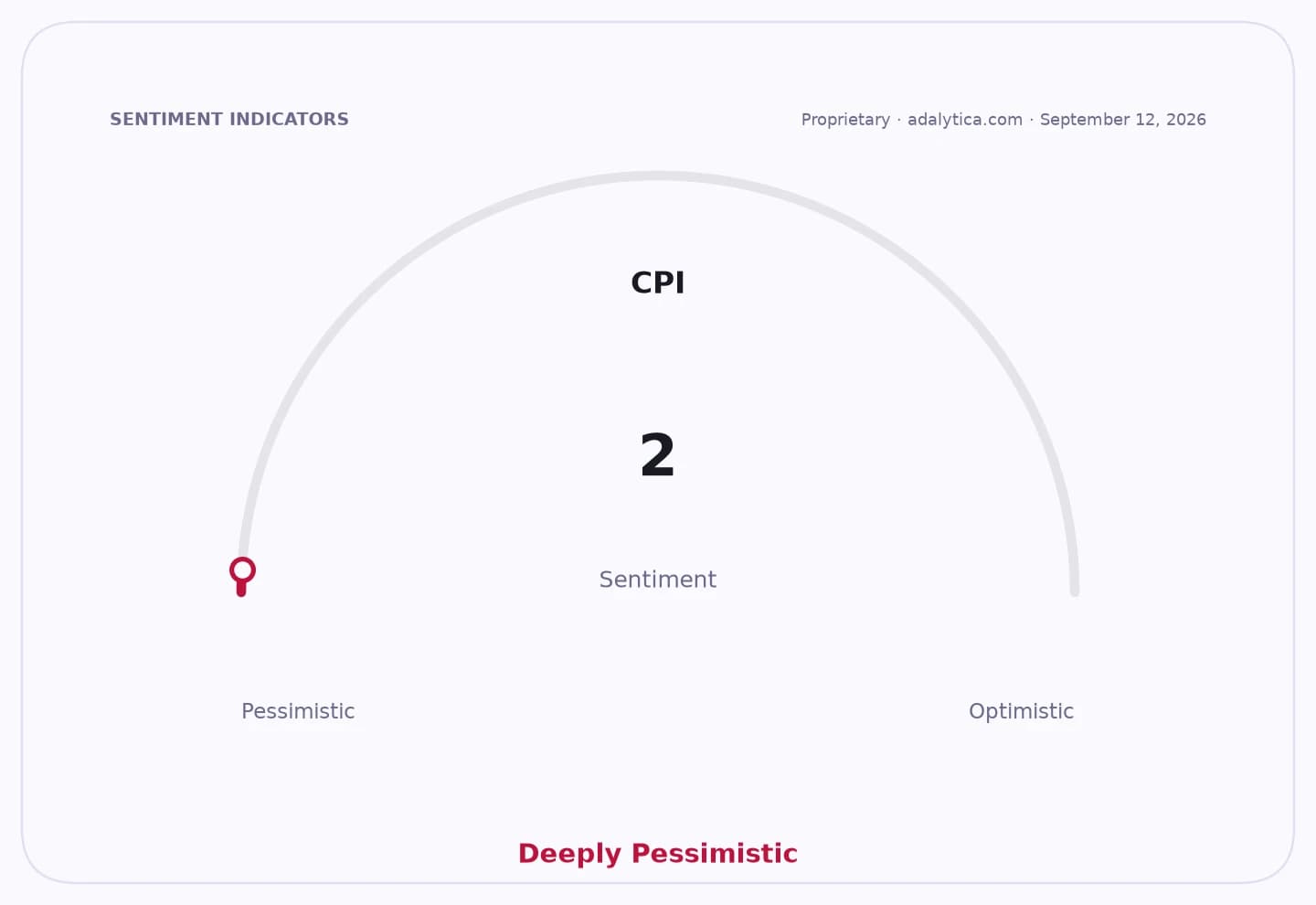
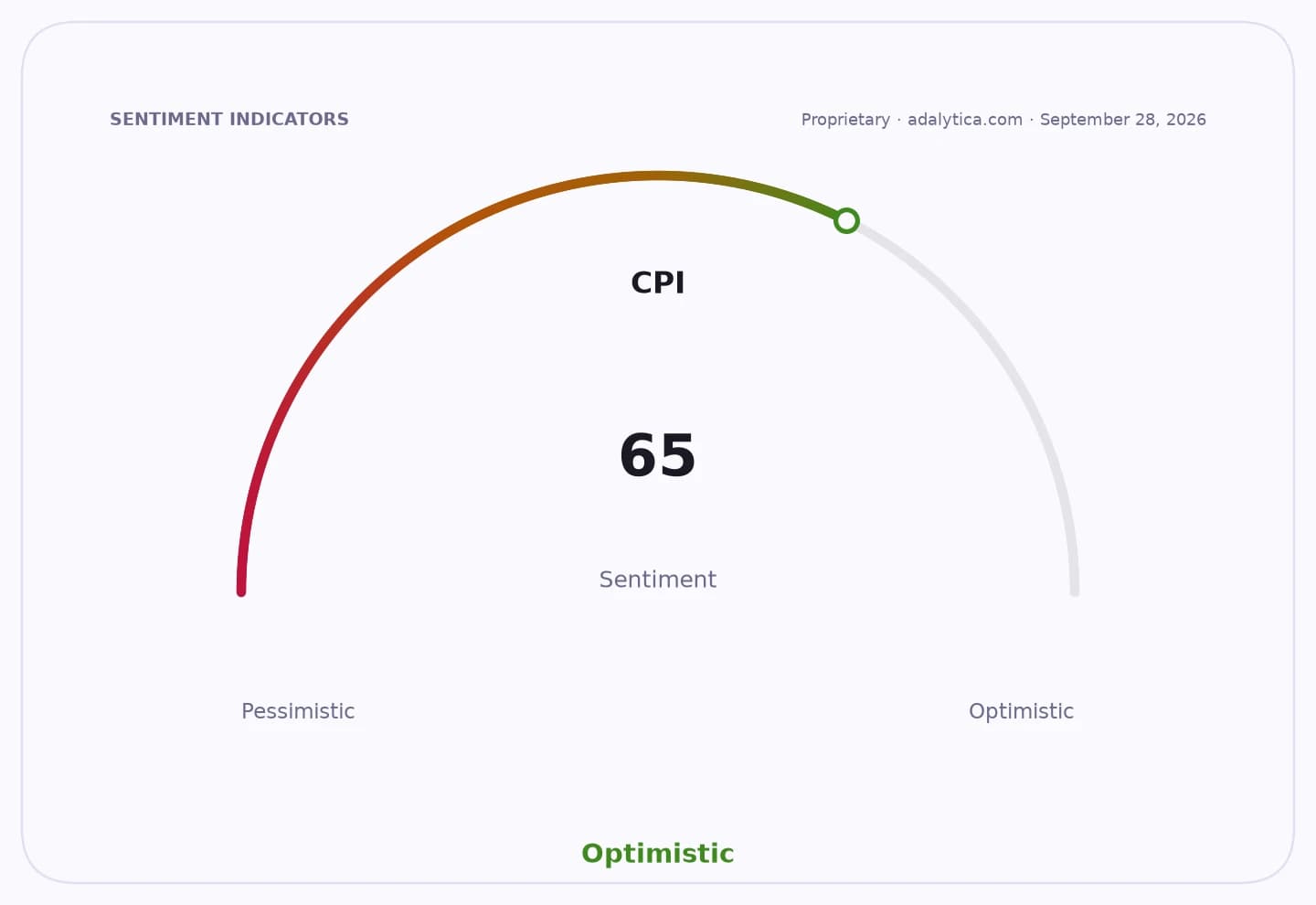
Sentiment IndicatorsⓘProprietary · adalytica.com · September 30, 2026
This is a snapshot — live sentiment, awareness and momentum for 130+ markets update continuously in the dashboard.Open AlphaPulse
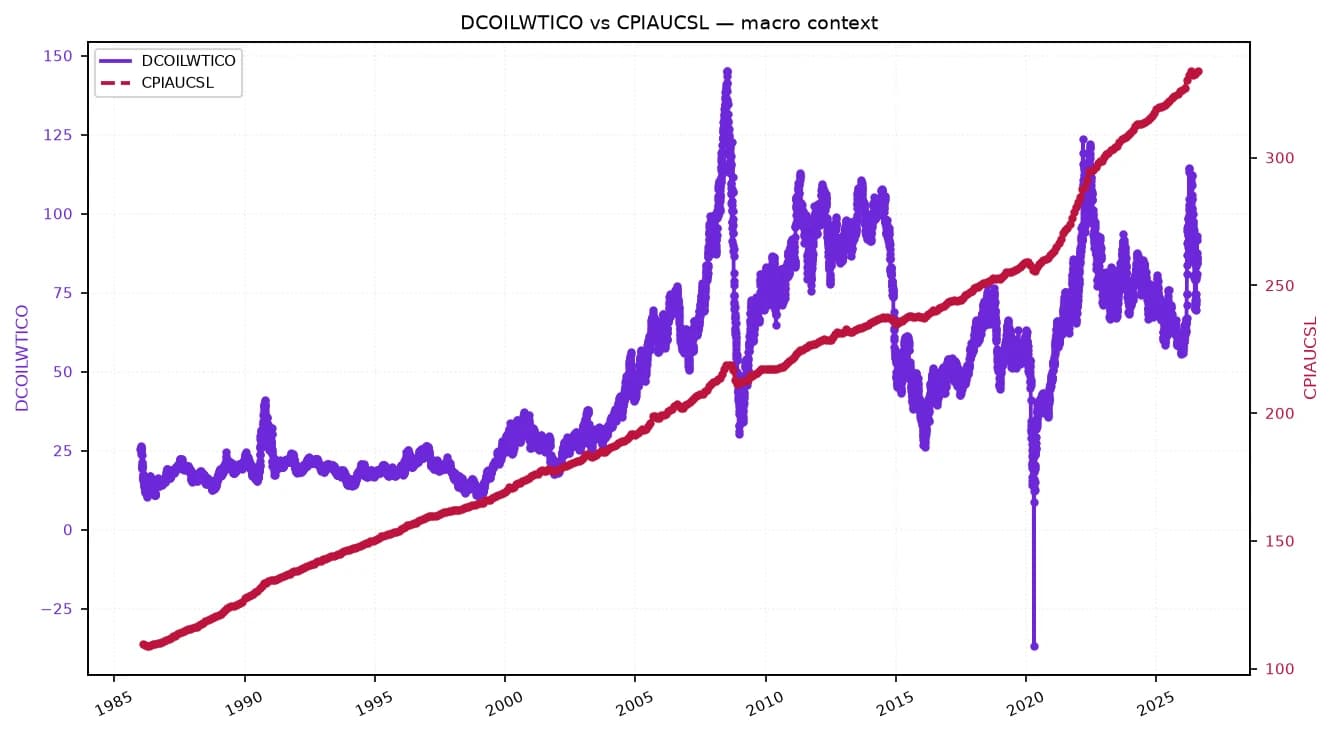
The broader backdrop is still an economy that has learned how quickly oil can change the inflation story. Brent-like crude prices have climbed sharply this year, with U.S. crude trading around $90 a barrel at the end of the month after moving well above the 50-day average and briefly pushing into overbought territory on conventional RSI readings earlier in the period. That kind of move does not stay isolated in energy markets for long. It filters into freight, agriculture, manufacturing input costs and, ultimately, consumer prices.
For investors, the signal is straightforward: energy shocks are back as a macro variable, and Europe remains more exposed than the U.S. to imported inflation. That creates a relative tailwind for oil producers, integrated energy companies, and shipping and services names with pricing power, while consumer-facing sectors with thin margins and limited pass-through face renewed pressure. It also argues against complacency in duration-sensitive assets if inflation expectations keep drifting higher.
The market is likely underestimating how long geopolitical risk can keep inflation sticky. If Middle East tensions continue to threaten supply lines or keep crude elevated, Portugal’s 3.2% inflation forecast may prove less like a peak and more like an early warning for the wider eurozone. For investors, the actionable takeaway is to stay positioned for a world where energy remains the first catalyst and inflation the second-order consequence.
| Entity | Gains | Losses |
|---|---|---|
| Oil producers | ▲Higher revenue | ▼— |
| European consumers | ▲— | ▼Lower real income |
| ECB hawks | ▲Policy caution strengthened | ▼Rate-cut room reduced |
| Consumer staples and transport users | ▲— | ▼Higher input costs |