The pound is likely to stay on the back foot against the euro unless the next UK inflation reading comes in firm enough to revive expectations that the Bank of England will keep policy restrictive for longer.
Pound faces euro pressure ahead of UK CPI

That matters because the sterling-euro trade is being driven less by pure growth optimism and more by the relative path of interest rates. With U.S. inflation and Treasury yields still high enough to support the dollar broadly, the pound needs a domestic catalyst to differentiate itself. In practice, that catalyst is inflation — particularly whether August CPI and core inflation show enough stickiness to keep BoE policymakers wary of easing too quickly.
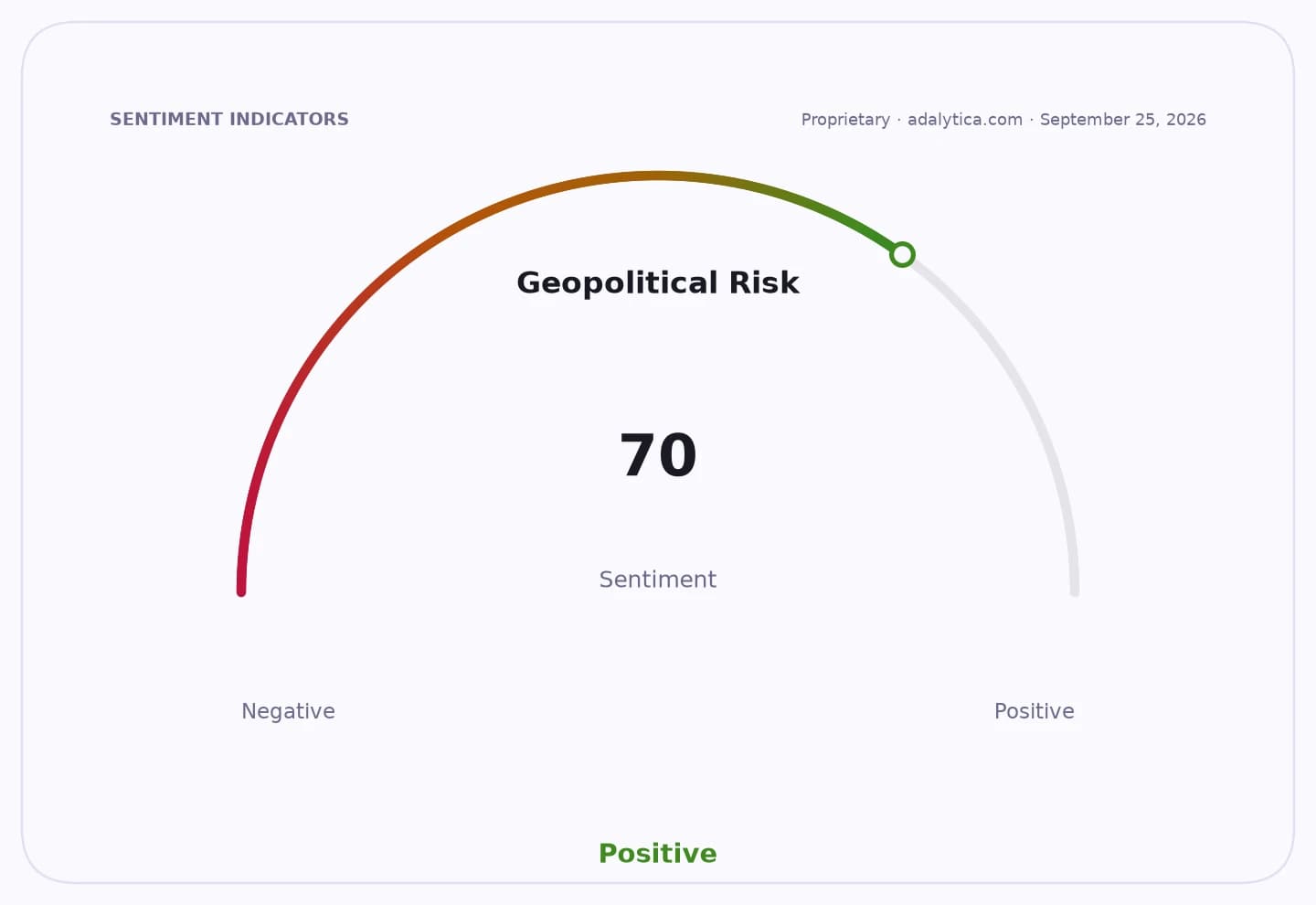
Sentiment IndicatorsⓘProprietary · adalytica.com · August 19, 2026
This is a snapshot — live sentiment, awareness and momentum for 130+ markets update continuously in the dashboard.Open AlphaPulse

Markets are already signaling that the pound’s recent rebound is fragile. FXB, the currency-tracking fund for sterling exposure, was trading at 130.12 on Aug. 18, near the top of its recent range, but momentum is stretched rather than convincing: its 14-day RSI stood at 76.8, a level that typically points to overbought conditions, while the fund remained only modestly above its 50-day and 200-day moving averages. That suggests the latest bounce has room to fade if the inflation data disappoint.
The inflation backdrop is mixed. U.S. CPI is forecast to rise 0.35% in August, while core CPI is expected to increase 0.21%, keeping the dollar supported by the prospect that the Federal Reserve will not be in a hurry to cut. At the same time, UK grocery inflation has eased to its lowest since October 2024, a sign that some household price pressure is receding. But that does not automatically translate into a softer overall CPI reading in a way that helps sterling. If services inflation and wage-sensitive components remain sticky, the BoE could still sound hawkish even as headline food inflation cools.
British Pound — 30-day sentimentadalytica.com
Explore this data interactively — full history, time series and cross-market comparisons.Open AlphaPulse

That distinction matters for investors because the euro has the cleaner relative narrative. Adalytica’s euro trade signals show sentiment in “Greed” territory at 76, while sterling sentiment is only 24, or “Fear,” underscoring how market positioning has tilted away from the pound. The euro also benefits from the perception that the European Central Bank has more room to hold steady without the same immediate domestic pressure that faces the BoE. Unless UK CPI surprises higher, the interest-rate differential is likely to remain a headwind for GBP/EUR.
The bear case for the pound is straightforward: slowing UK consumption, softer grocery inflation and lingering political uncertainty leave little room for a sustained sterling rally. The bull case is narrower but still real. A hotter-than-expected CPI print would lift BoE rate expectations, compress the expected rate gap with the euro area and force short-pound positioning to unwind. In that scenario, the pound could recover some lost ground quickly.
For now, the market is waiting on the inflation data to decide whether the latest sterling strength is a durable repricing or just a pause in a broader consolidation against the euro.
| Entity | Gains | Losses |
|---|---|---|
| Pound sterling | ▲Hotter CPI, hawkish BoE repricing | ▼Softer CPI, easing-rate bets |
| Euro | ▲Stable UK inflation, weaker GBP | ▼Firmer UK inflation, GBP rebound |
| UK consumers | ▲Cooler grocery prices | ▼Sticky core inflation, higher borrowing costs |
| BoE hawks | ▲Persistent inflation pressure | ▼Clear disinflation, policy easing pressure |