The British pound is still having trouble getting back above its 20-day moving average against the dollar, a sign that the latest bounce is losing momentum even as traders digest a messy mix of softer inflation, a firmer US dollar and lingering UK fiscal worries.
Pound Fails Key Breakout as Dollar Carry Supports

That matters because currency moves are not just chart noise. When GBP/USD fails to reclaim a short-term trend line, it usually tells investors that the market is not yet ready to price in a durable shift in policy expectations or growth leadership. In this case, the pound is trying to stabilize after a run-up, but the backdrop is still working against a clean breakout.
Sentiment IndicatorsⓘProprietary · adalytica.com · July 23, 2026
This is a snapshot — live sentiment, awareness and momentum for 130+ markets update continuously in the dashboard.Open AlphaPulse

The technical picture remains constructive only in a limited way. GBP/USD has been hovering around 1.34, with the 50-day and 200-day moving averages also clustered near that level, showing how tightly the pair is compressing. But the inability to hold above the 20-day EMA suggests short-term buyers are not in full control. The relative strength index has cooled from overbought territory, and the MACD has flattened, both of which point to fading upside momentum rather than the start of a fresh trend.
Fundamentally, the pound is being pulled in opposite directions. UK inflation has eased, which is helpful for household spending and gives the Bank of England more room to avoid an aggressive policy stance. At the same time, softer CPI numbers can also take some heat out of the currency if investors conclude the central bank will have less urgency to keep rates elevated. Add renewed concern about UK debt and fiscal discipline, and the market has another reason to demand a discount before pushing sterling higher.

The dollar is not exactly surging, but it does not need to. US 10-year Treasury yields have climbed to around 4.6%, while the federal funds rate remains above 3.6%, leaving the greenback with a still-attractive carry profile. That tends to cap GBP/USD rallies, especially when the pound’s own policy support is uncertain. Even if the dollar’s broader tone is neutral rather than outright bullish, that is enough to keep pressure on sterling when the pair is stuck below a key moving average.
For investors, this is a reminder that exchange rates often move on relative expectations, not absolute good news. A better UK GDP print or a cooler inflation reading can help the pound, but only if the rest of the picture lines up too. Right now, the market appears unconvinced that the UK growth recovery is strong enough to overpower debt concerns, while US rates remain high enough to keep the dollar anchored in a favorable position.
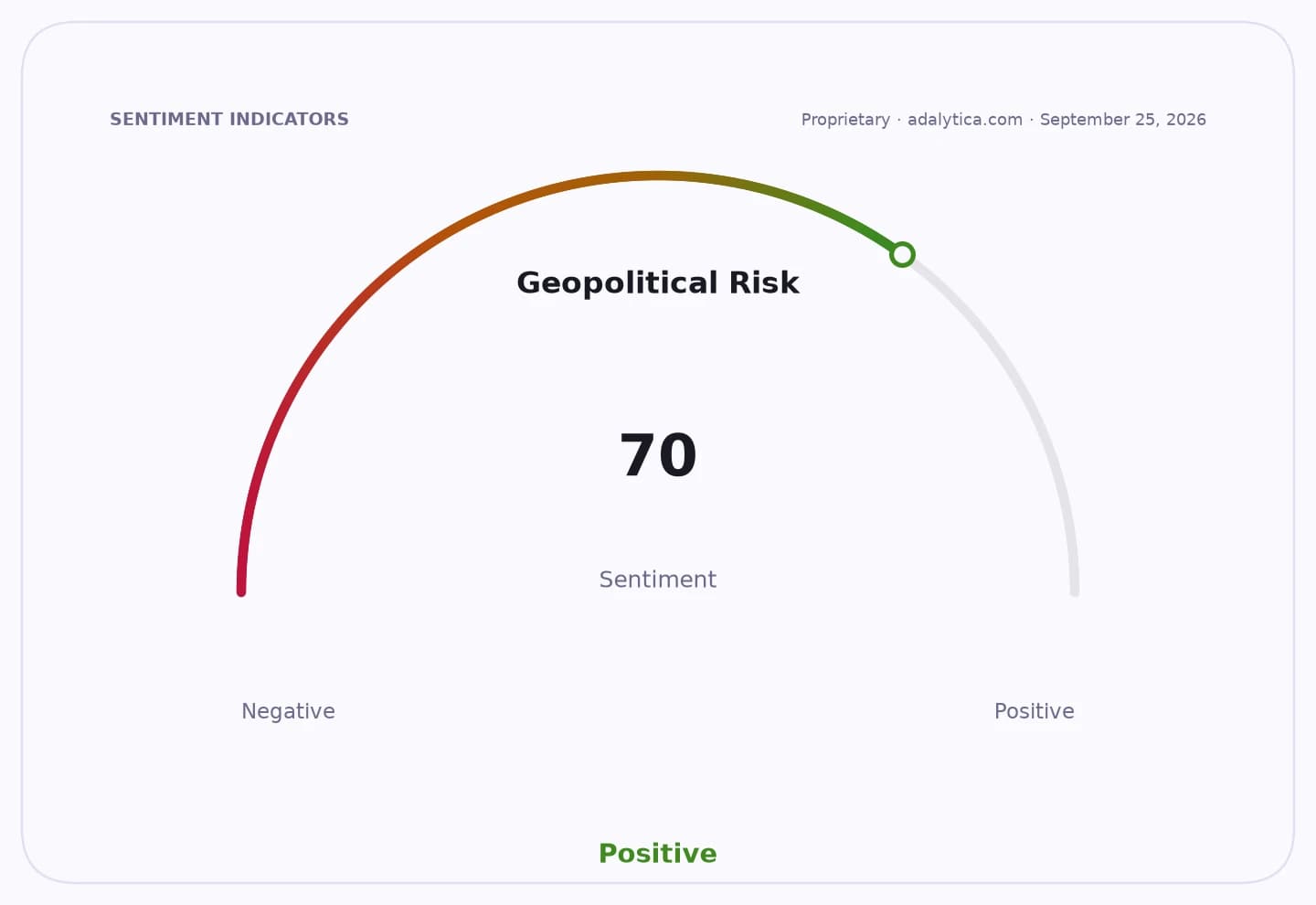
Adalytica’s British pound trade signals underscore that tension. Sentiment readings are showing “Extreme Greed,” even as awareness remains in “Fear,” which usually means positioning has become optimistic faster than the underlying trend has improved. That kind of mismatch can make rallies vulnerable if the currency cannot clear resistance and hold it.
Longer term, the key question is whether the UK can turn a modest recovery into something more durable without reigniting inflation or raising borrowing costs. If growth improves and the Bank of England stays patient, sterling could still rebuild. But until GBP/USD can firmly reclaim the 20-day EMA and then hold above the broader moving-average cluster, investors should treat the move as a recovery attempt rather than a confirmed trend change. For now, patience and diversification still matter more than trying to call the next few ticks in a currency pair.
| Entity | Gains | Losses |
|---|---|---|
| Dollar bulls | ▲Higher yield support | ▼— |
| Pound bulls | ▲— | ▼Failed breakout |
| UK borrowers | ▲Softer inflation relief | ▼Debt scrutiny |
| FX momentum traders | ▲Short-term volatility | ▼Clean trend signal |