Pruksa and BNH are positioning longevity housing as a new real-estate niche in Thailand, and investors are starting to price in a broader shift in where demand will come from as the country ages.
Pruksa and BNH push Thailand longevity housing theme
The significance is bigger than a single project. Thailand’s property market has been slowed by weak mass-market demand, higher financing costs and cautious buyers, while the healthcare and senior-living theme is attracting more attention as the population ages and families look for homes that combine residential care, medical access and long-term services. A model that links a developer with a hospital group offers a way to create stickier revenue, higher-margin service income and a more defensible product than standard condos or low-rise housing.
That is the narrative behind the “complete Longevity housing” pitch. The concept fits a generation of executives trying to move property development away from a pure unit-sales model and toward recurring services and lifecycle housing. For Pruksa, which trades under PR9.BK in the data context, the shares have recovered from a March low of 16.2 baht to 18.5 baht, with the stock now near its 50-day moving average and above its 200-day average. Momentum indicators have turned positive, with the relative strength index in the mid-60s and the MACD above its signal line, suggesting the market is warming to the growth story.
BNH, which is tied to premium healthcare and medical demand, has also held firm. Its shares have climbed to 192.5 baht from 179 baht in late July, leaving the stock near record territory in the recent data and above both its 50-day and 200-day moving averages. That matters because the longevity housing theme is not just about property; it is also about cross-selling healthcare, rehabilitation and wellness services, where hospital brands can capture higher-value demand from affluent aging households.
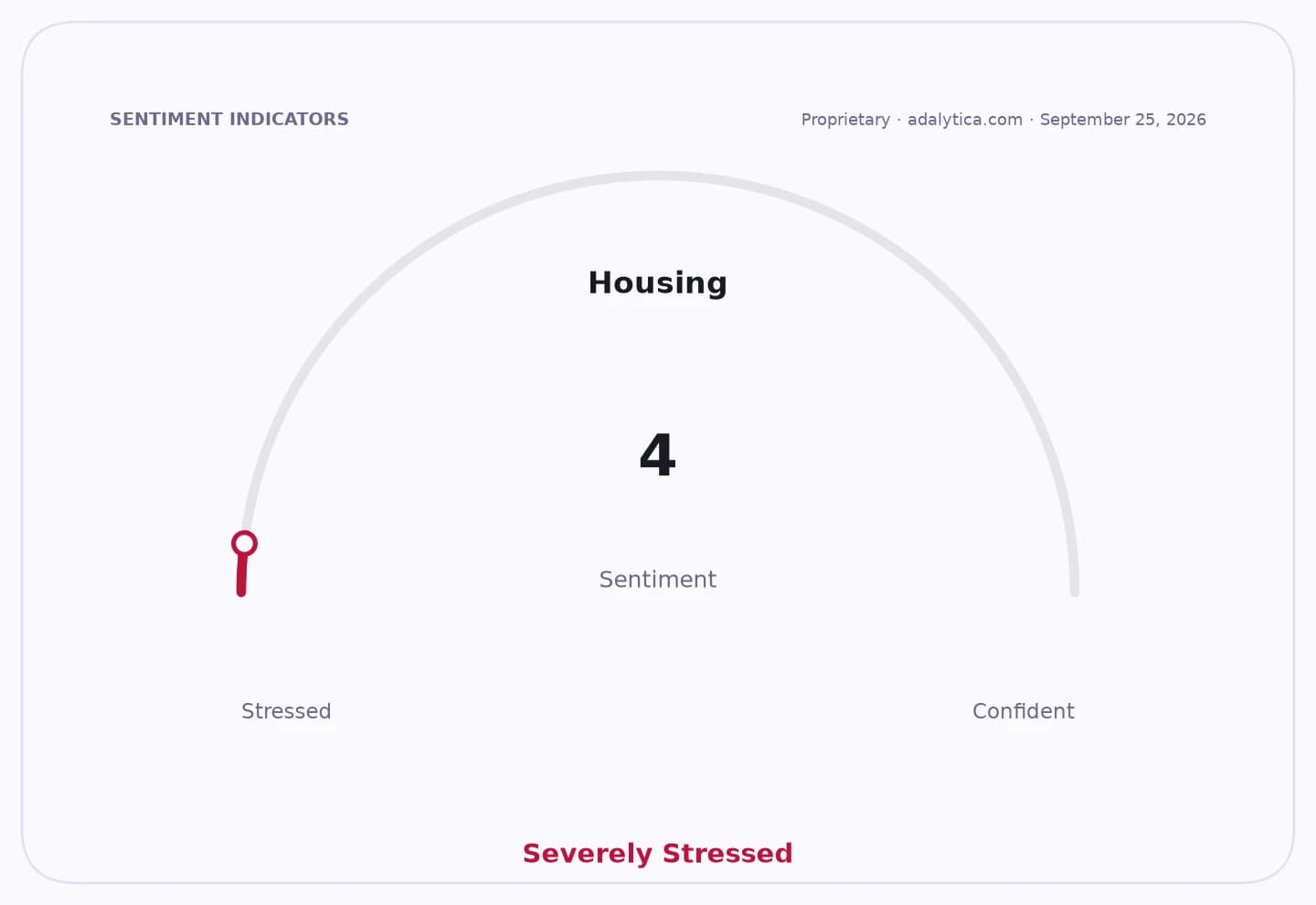
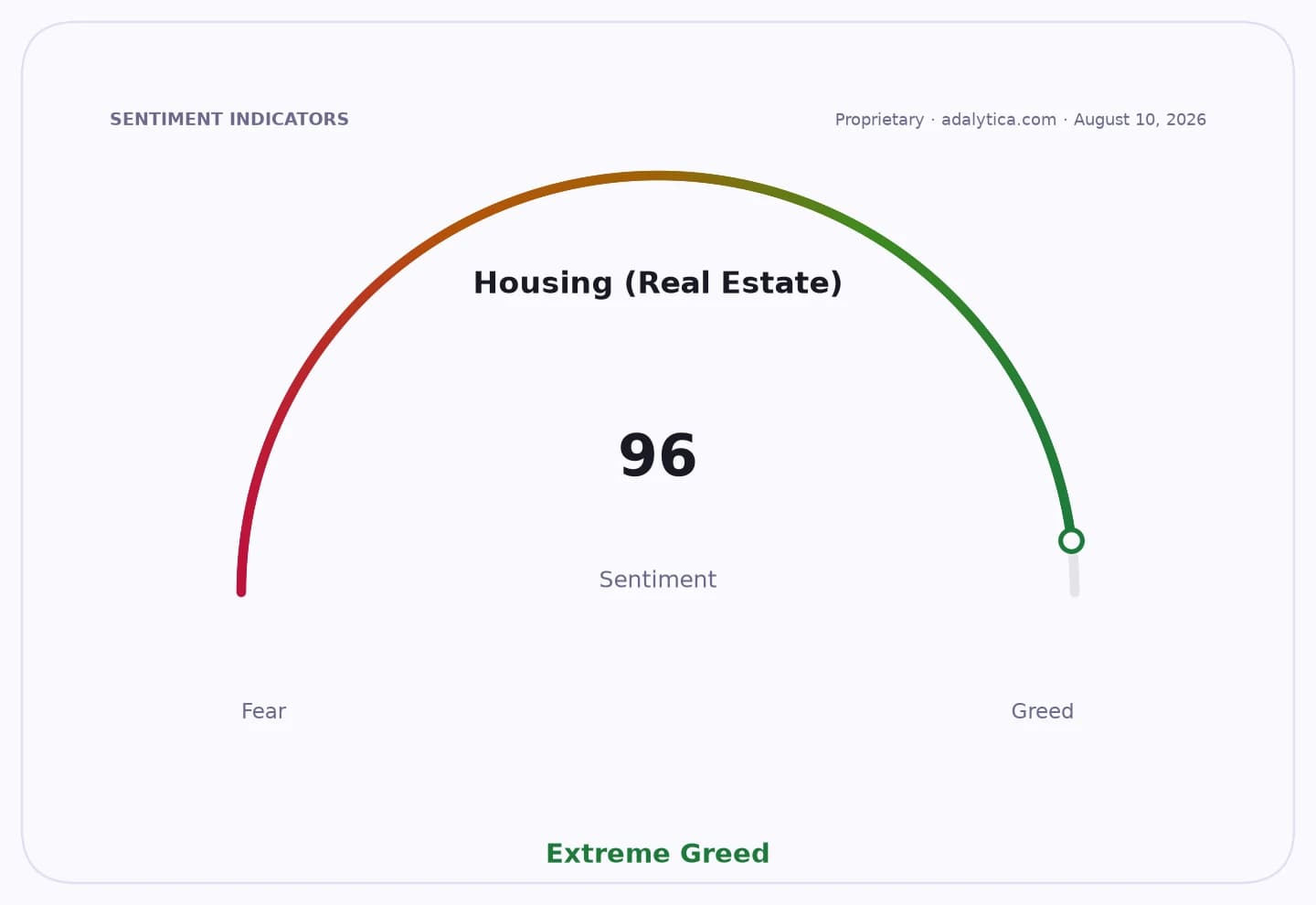
The broader market backdrop is supportive. Adalytica’s Housing Fear & Greed Index is at 96, in “Extreme Greed,” with awareness at 100, indicating strong investor attention to housing-related themes. But that enthusiasm also raises the bar. If longevity housing is to justify a premium, developers will need to show that the model can scale, that occupancy and service utilization are durable, and that pricing can hold up in a market where conventional residential demand remains uneven.
For investors, the bull case is that this becomes a template for Thailand’s next housing cycle: less dependence on speculative apartment demand, more exposure to aging demographics, and a recurring-fee business linked to healthcare. The bear case is that the concept stays niche, with high upfront costs, limited buyers and execution risk in integrating real estate with medical services.
What to watch next is whether Pruksa and BNH can turn the concept into measurable pre-sales, stable margins and repeatable development partnerships. If they can, longevity housing could become one of the few property themes in Thailand capable of commanding sustained investor attention even in a slower housing market.
| Entity | Gains | Losses |
|---|---|---|
| Pruksa (PR9.BK) | ▲New growth theme | ▼Pure mass-market sales model |
| BNH (BNH.BK) | ▲Healthcare-linked demand | ▼Standalone hospital exposure |
| Aging households | ▲Housing with care services | ▼Conventional housing options |
| Competitors | ▲Need to respond | ▼Differentiation advantage |