Poland’s state-run power grid operator is preparing a tender program worth as much as 4.94 billion zlotys through the end of the third quarter of 2027, a sign that the country’s electricity system is moving into a much more capital-intensive phase.
PSE plans 4.94 bln zloty grid tender program
For investors, that matters because the power grid is the backbone of Poland’s energy transition. Bigger tenders usually mean more spending on transmission, substations, digital control systems and other infrastructure needed to connect new generation and keep the lights on as renewables and electrification increase. In plain English: this is the unglamorous plumbing that decides whether Poland can absorb more clean power without undermining reliability.
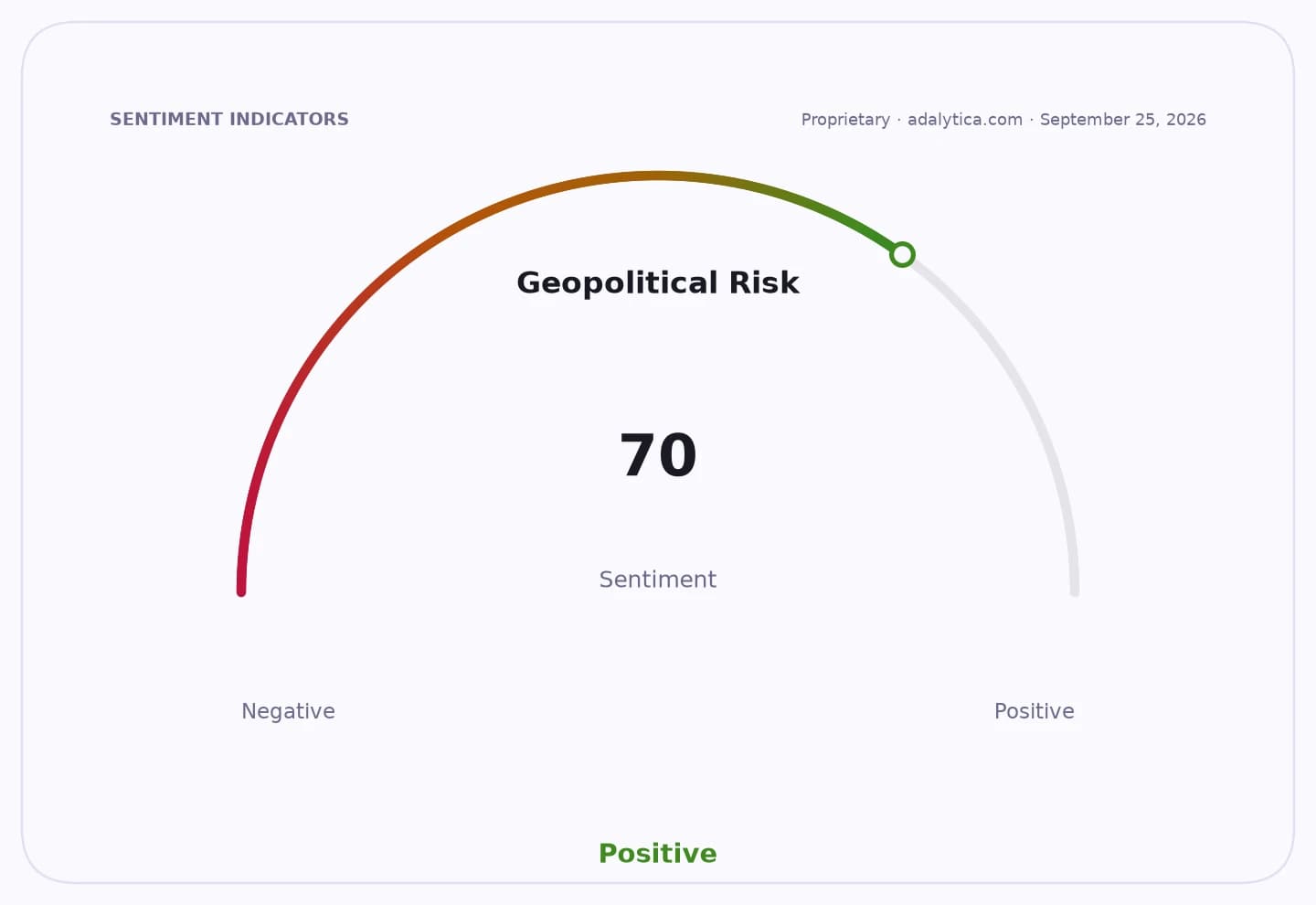
Sentiment IndicatorsⓘProprietary · adalytica.com · August 14, 2026
This is a snapshot — live sentiment, awareness and momentum for 130+ markets update continuously in the dashboard.Open AlphaPulse
The timing also matters. Grid spending tends to ripple through the wider economy, supporting domestic engineering, construction and industrial suppliers while creating demand for imported equipment priced in euros. That gives the story a currency angle too, especially with the zloty trading against a euro that has been attracting strong attention in recent sessions. When utilities and state-linked operators step up investment, the beneficiaries are often long-duration infrastructure assets, contractors and manufacturers with order-book visibility.
There is also a broader market implication. Energy infrastructure spending is one of the clearest secular themes in Europe right now, alongside data centers, electrification and defense. The companies that can deliver transformers, switchgear, cables and project management at scale are likely to keep seeing steady demand even if the macro backdrop turns choppier. For long-term investors, that kind of recurring capital program is often more important than any one quarterly earnings print.
The main risk is execution. Large tender pipelines can slip if permitting, financing or supply chains get in the way, and investors should not confuse announced spending with completed spending. But if PSE follows through, it would reinforce a multi-year investment cycle in Poland’s power network that should benefit the utilities and industrial suppliers best positioned to win contracts.
For investors building portfolios for the next three to 10 years, this is the kind of story worth watching: not flashy, but potentially compounding. Grid modernization is one of those rare themes where patience can be rewarded, and the real winners are usually the businesses with scale, balance-sheet strength and the ability to deliver on time.
| Entity | Gains | Losses |
|---|---|---|
| PSE | ▲grid upgrade budget | ▼execution risk |
| Polish contractors | ▲tender pipeline | ▼pricing pressure |
| Equipment suppliers | ▲new orders | ▼supply-chain bottlenecks |
| Consumers and industry | ▲more reliable power | ▼short-term tariff strain |