Average net pay in the public sector rose to 123,511 dinars in May, about 7,200 dinars more than the 116,319 dinars paid in the private sector, underscoring how state jobs remain the better-paid option even as wages continue to climb across the economy.
Public Wages Outpace Private Pay
The gap matters because wage growth is feeding household incomes at a time when inflation has only partly eased, keeping pressure on employers, policymakers and consumer demand. For workers, higher salaries help offset the cost of living; for the economy, they can support spending, but they also raise the risk that stronger pay will filter into prices and keep the central bank cautious.
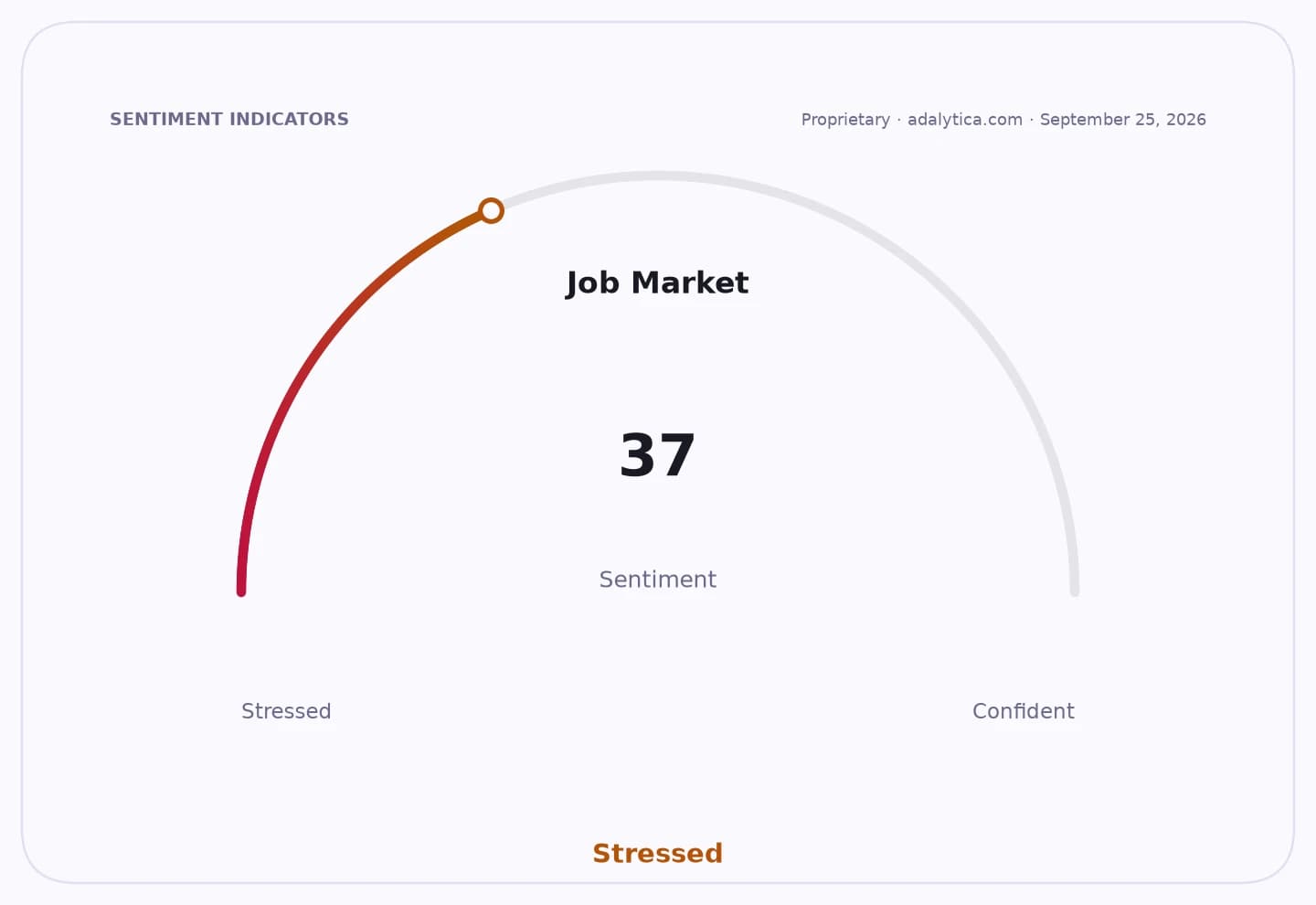
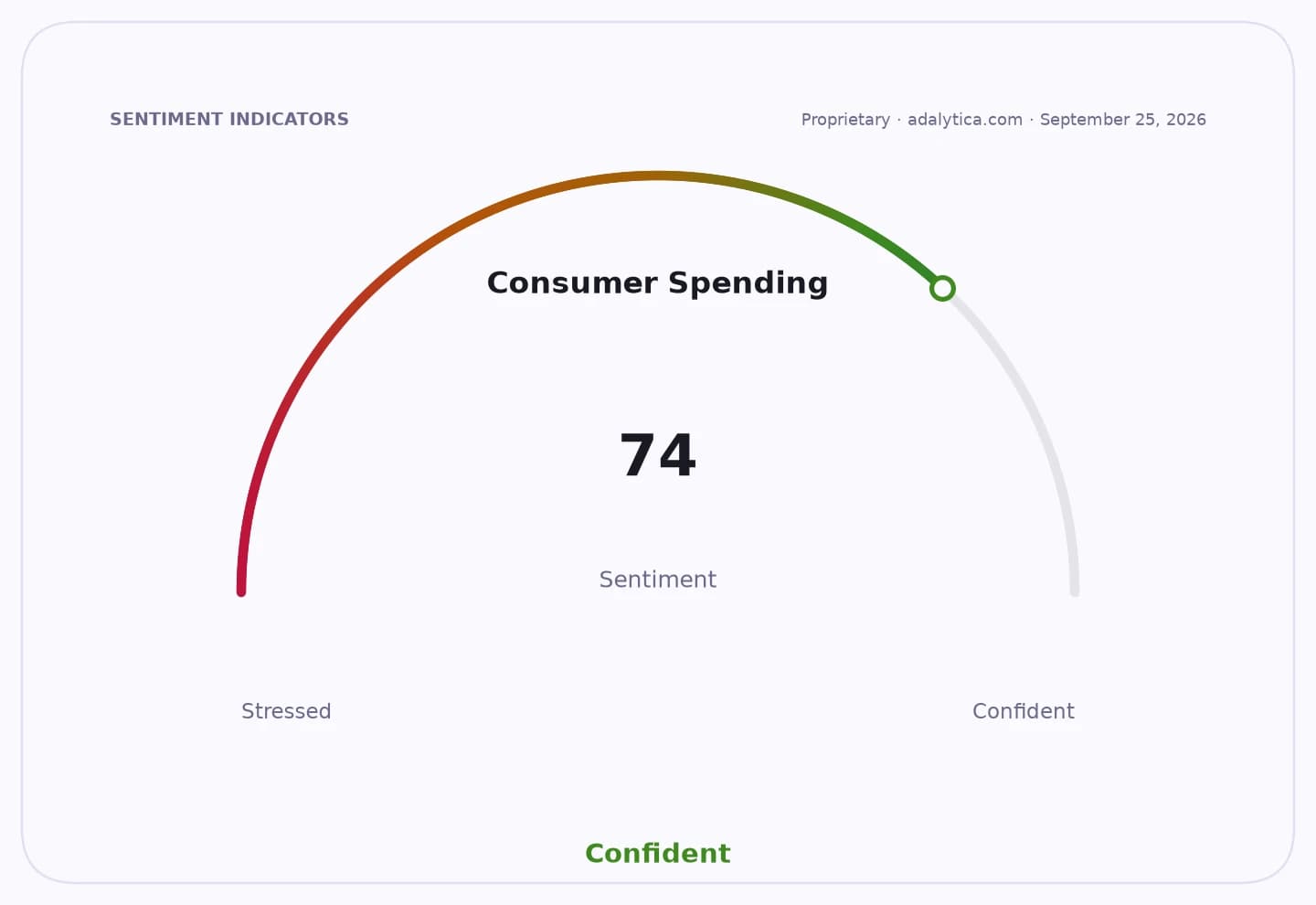
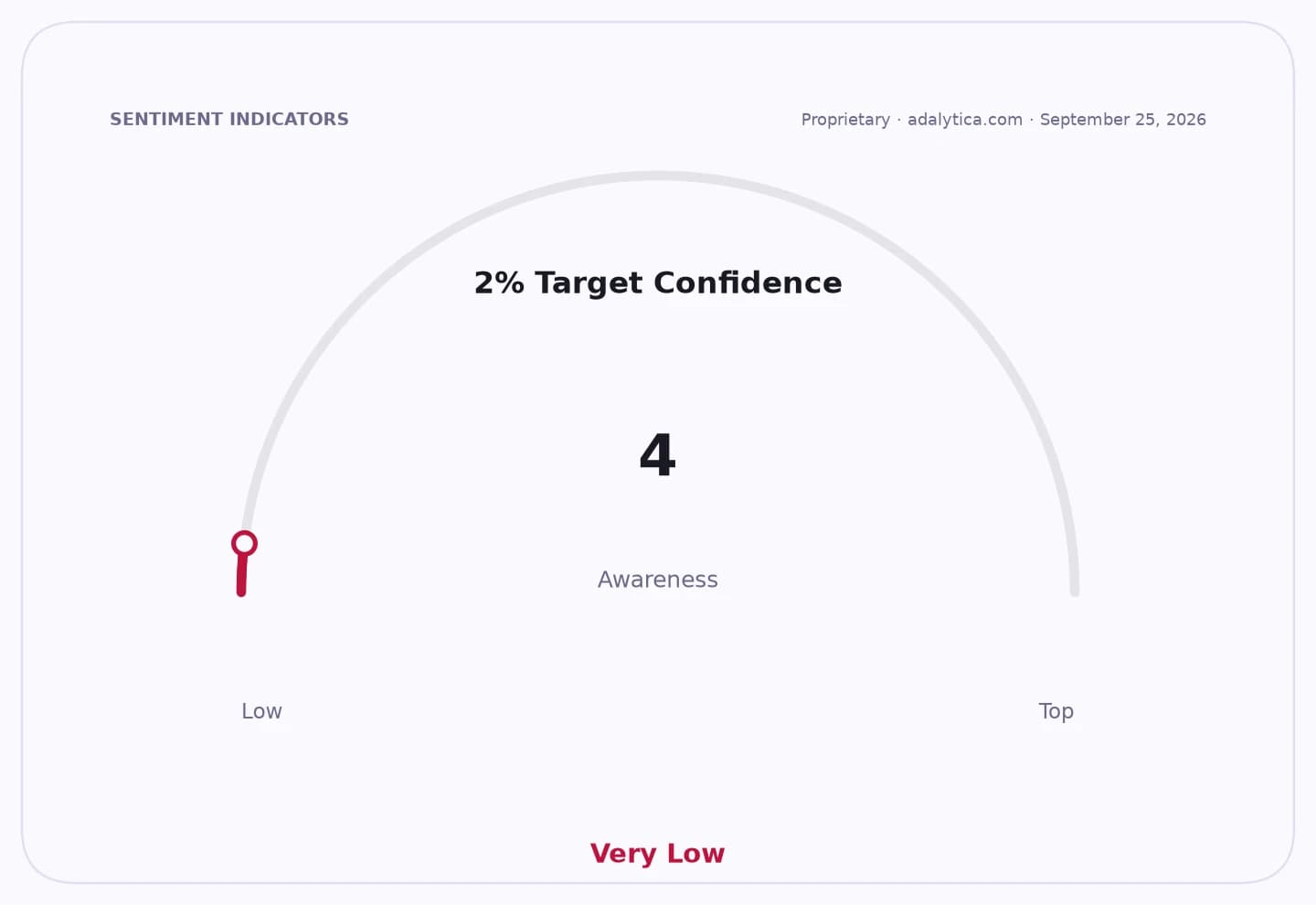
Sentiment IndicatorsⓘProprietary · adalytica.com · July 25, 2026
This is a snapshot — live sentiment, awareness and momentum for 130+ markets update continuously in the dashboard.Open AlphaPulse
The numbers also highlight a persistent split in the labor market. Public-sector wages are not only above private-sector pay, they are being set in an environment where overall compensation trends remain firm, suggesting government employment continues to offer a premium on security and income. That can make recruitment easier for the state, but it also widens the burden on public finances if pay gains outstrip productivity.
Broader market indicators point to a mixed backdrop. U.S. CPI data in the context show inflation still running well above pre-pandemic levels, while the unemployment rate remains near 4.2%, a combination that supports wage gains but limits room for aggressive rate cuts. Adalytica’s wage inflation gauge is also in neutral territory, signaling that compensation pressure is still present but not yet overheating.
For investors, the key question is whether higher pay translates into stronger consumption without reigniting inflation. If wage growth holds up, retailers, banks and consumer-facing companies could see steadier demand, but bond markets and rate-sensitive sectors would remain exposed if central banks judge that labor costs are still too sticky. The next read on wages and inflation will show whether the public-sector premium is becoming a broader economy-wide problem or just a reflection of entrenched state pay scales.
| Entity | Gains | Losses |
|---|---|---|
| Public-sector workers | ▲Higher net pay | ▼Budget scrutiny |
| Private-sector workers | ▲Wage pressure to catch up | ▼Wider pay gap |
| Consumers | ▲Stronger purchasing power | ▼Sticky prices risk |
| Bonds/rate-sensitive stocks | ▲Softer inflation would help | ▼Wage-driven rate pressure |