Puerto Antioquia has started a weekly direct container service to Asia and China that cuts transit times to 34-36 days, a move that could reshape how Colombian importers and exporters route goods through the country’s Caribbean coast.
Puerto Antioquia Starts Weekly Asia Container Service
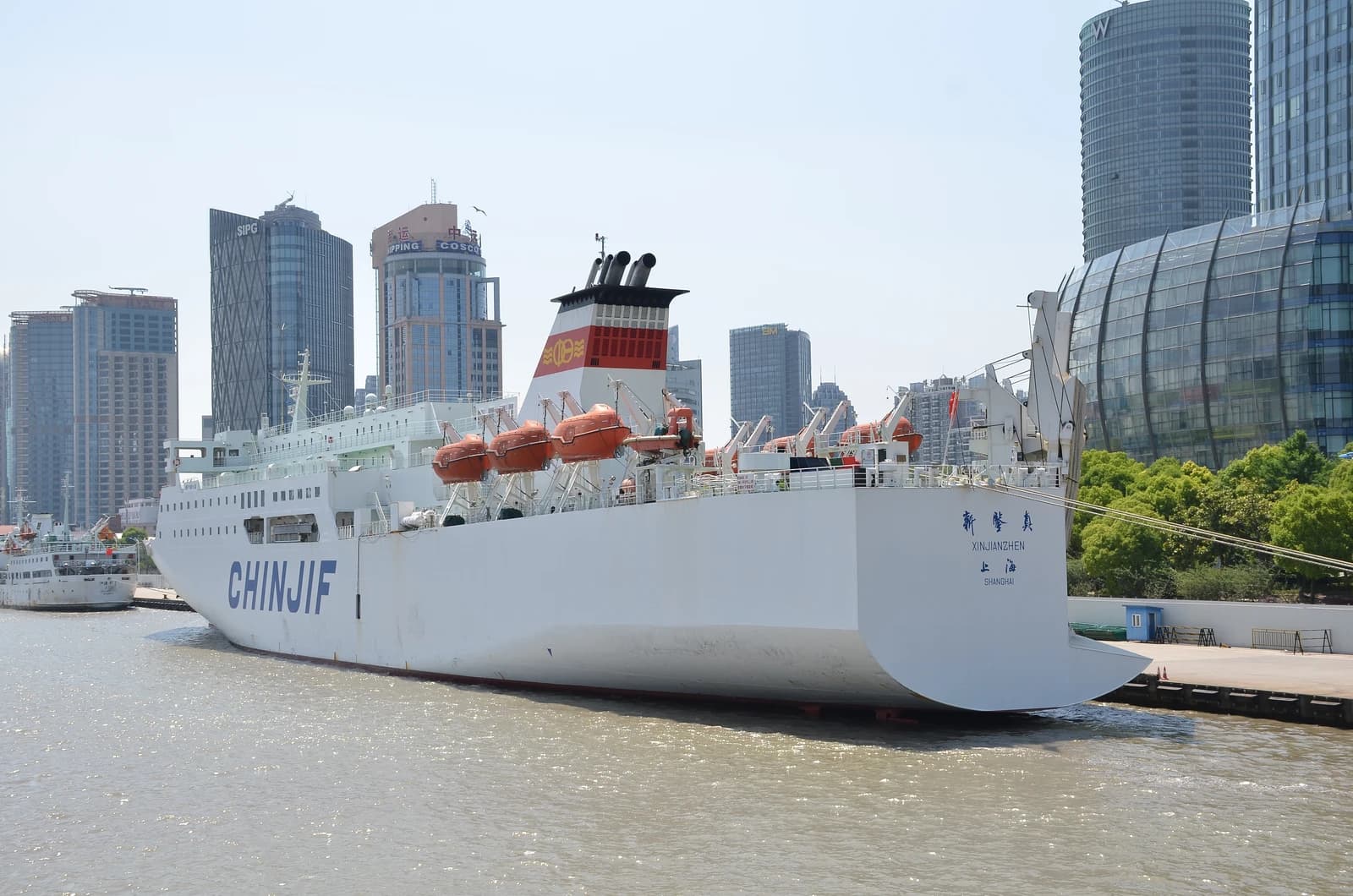
The PEX2 service, operated by CMA CGM, gives the Turbo terminal direct access to major Asian ports and completes Puerto Antioquia’s coverage of Colombia’s key external markets after adding links to the U.S., Europe and Latin America. For companies in Antioquia, which accounts for 20% to 22% of Colombian imports from Asia, the route offers a shorter inland haul to the final destination and a new option for managing freight costs and supply chains.
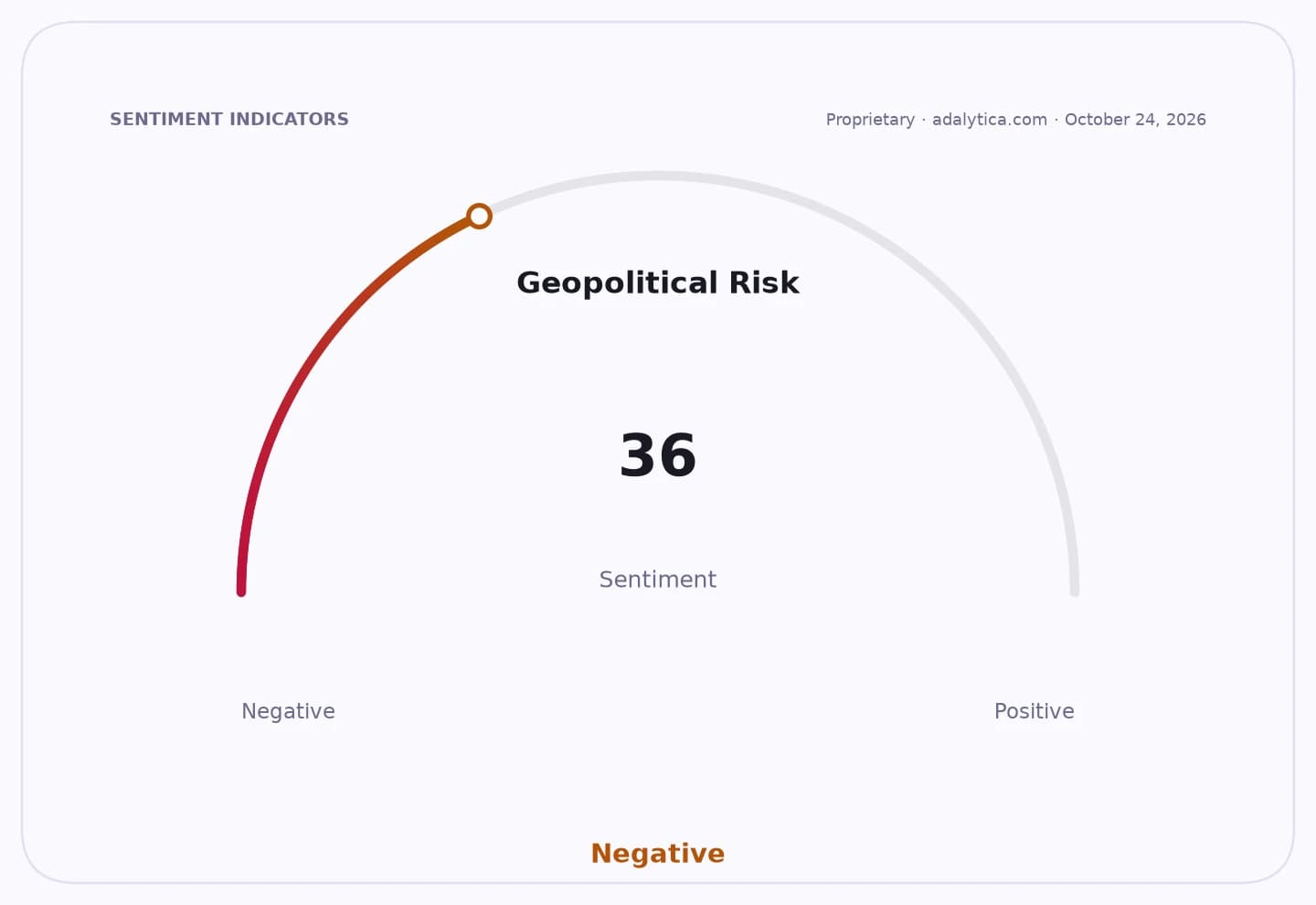
Sentiment IndicatorsⓘProprietary · adalytica.com · October 23, 2026
This is a snapshot — live sentiment, awareness and momentum for 130+ markets update continuously in the dashboard.Open AlphaPulse
The timing matters because Asia represents 52% of Colombia’s containerized trade, making the region the country’s most important maritime counterpart. A weekly schedule also gives shippers more predictable planning, while the use of vessels averaging 16,000 TEUs underscores that the line is built for high-volume traffic rather than niche cargo.
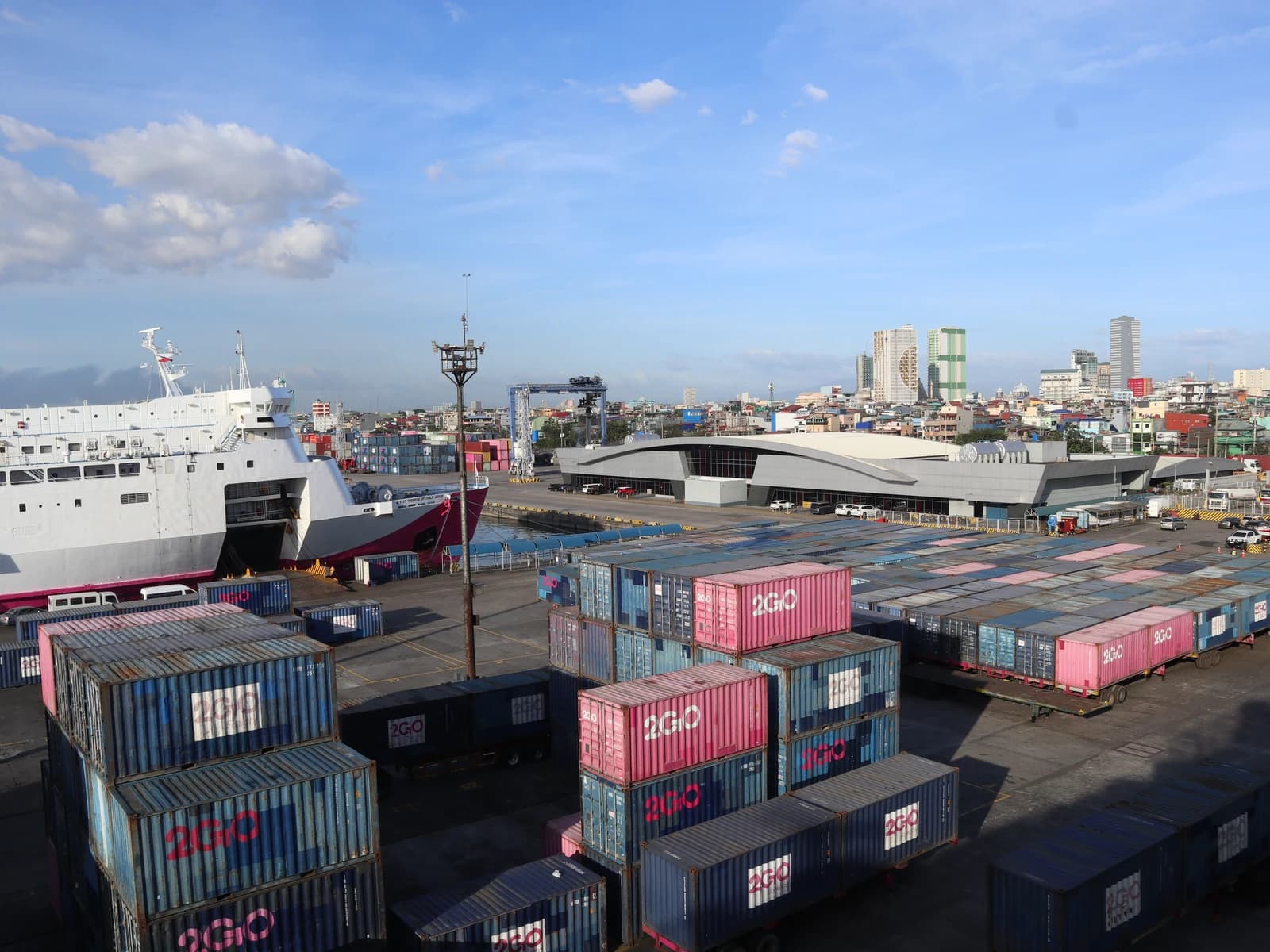
Puerto Antioquia said the terminal now has 10 regular services, strengthening its pitch as a logistics hub for importers and exporters looking to reduce time on the water and on the road. The company has also highlighted fast truck turnaround times in its first eight months of operation, with an average of 18 minutes for trucks and 28 to 30 minutes in double-cycle moves.
The broader backdrop is a global shipping system still vulnerable to chokepoints and conflict-driven disruptions, pushing cargo owners to diversify routes and port options where possible. For investors, the new service is a test of whether Puerto Antioquia can turn connectivity gains into sustained throughput, lower logistics friction and stronger use of its terminal by Colombian trade flows.
| Entity | Gains | Losses |
|---|---|---|
| Puerto Antioquia | ▲More throughput and route relevance | ▼Higher execution pressure |
| Colombian importers/exporters | ▲Shorter routes and more options | ▼Dependence on service uptake |
| Antioquia businesses | ▲Lower inland logistics costs | ▼Limited benefit if volumes stay thin |
| Competing ports | ▲None | ▼Potential cargo diversion |