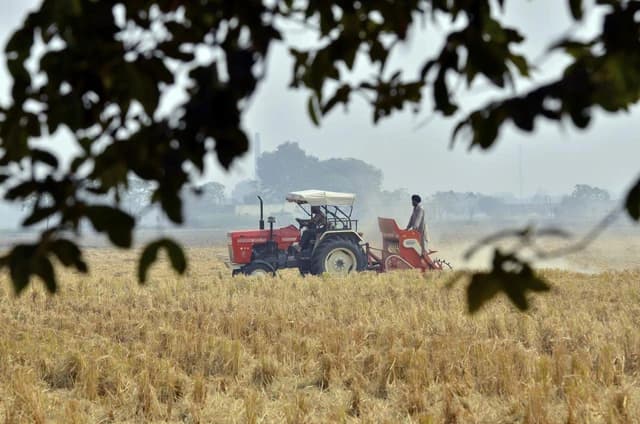
A push to widen wheat-paddy rotations in Punjab is gaining traction because the economics of farm inputs and outputs have become more unforgiving, raising the value of a diversified cash crop that can spread risk, lift soil productivity and reduce dependence on costly cereals alone.
Punjab Rotation Gains on High Input Costs

For farmers in Punjab, the question is no longer just agronomy but margins. Global crude oil has rebounded to about $78 a barrel in the latest forecast after a sharp mid-year swing, while broad agricultural producer prices remain elevated at 295.8 on the latest projection, underscoring that fertilizers, transport and agrochemicals are still expensive even after the pandemic-era spike has faded. That combination matters in a state where wheat and rice dominate and where soil fatigue, water stress and pest pressure already weigh on returns. A cash crop that fits between wheat and paddy can give growers a second income stream and reduce exposure to price shocks in any one staple.
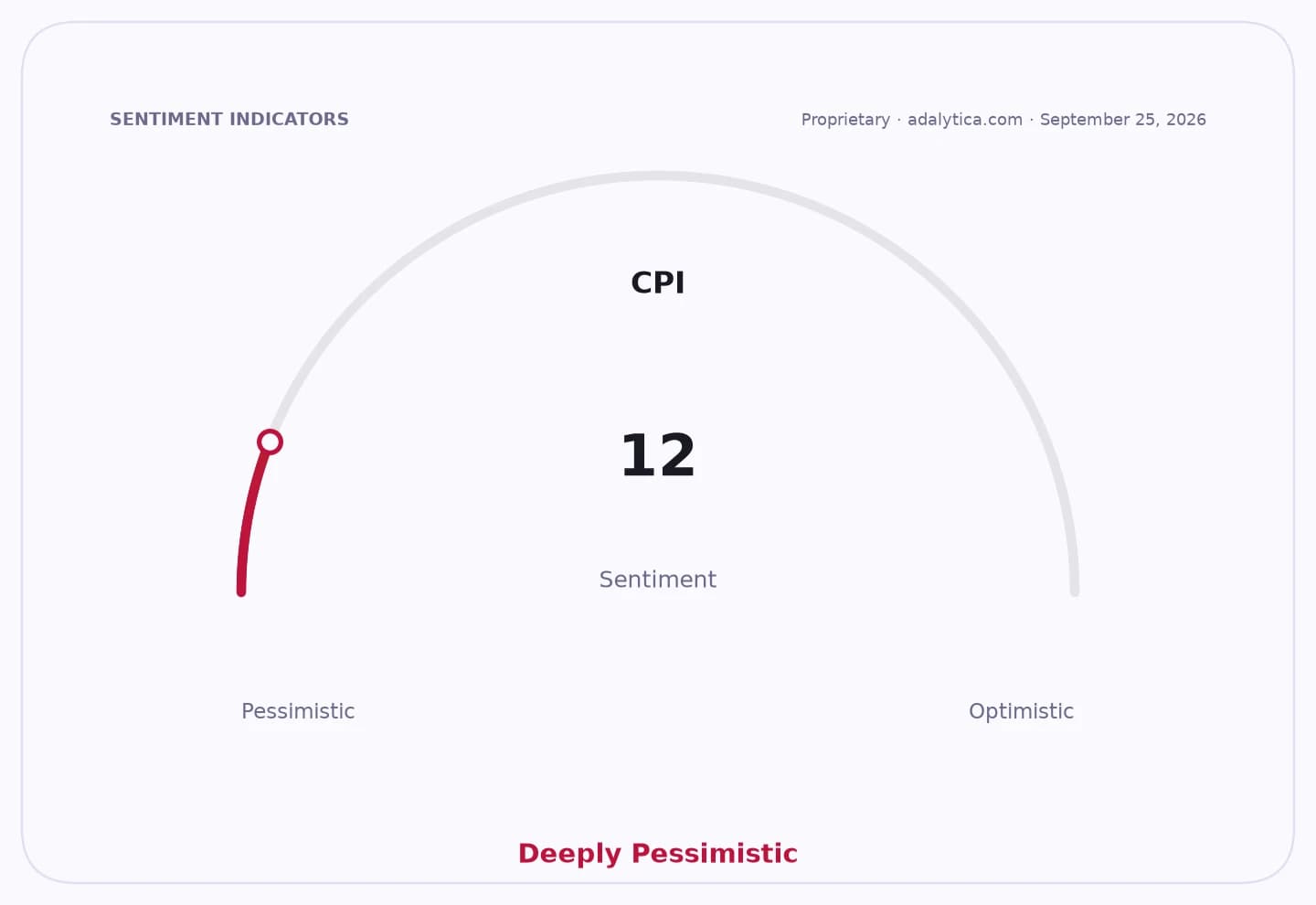
Sentiment IndicatorsⓘProprietary · adalytica.com · July 17, 2026
This is a snapshot — live sentiment, awareness and momentum for 130+ markets update continuously in the dashboard.Open AlphaPulse
The case is strengthened by market behavior in U.S.-listed agriculture funds and food-related equities, which suggests investors are still pricing a structurally tight food-cost environment. Invesco’s DB Agriculture Fund has been trading near $27.59, well above its 200-day moving average of $26.36, while Archer-Daniels-Midland has risen to $83, also above its long-term average. That points to continued support for farm-income themes and for companies tied to crop inputs, merchandising and processing. It also implies that farmers who can diversify into a higher-value cash crop stand to capture more of the upside from a firming agricultural cycle than growers locked into low-margin cereals.
The broader macro backdrop is still mixed. Brent-style oil volatility has eased from the extremes seen in 2022, but energy remains too high to dismiss in farm economics, especially for irrigation, freight and fertilizer production. The 10-year U.S. Treasury yield near 4.6% also reinforces a higher-for-longer financing environment, which tends to favor crops and business models that turn inventory faster and generate stronger cash flow. For Punjab farmers, that makes cultivation techniques more important, not less: quality seed, balanced nutrient management, timely irrigation and proper crop rotation can be the difference between a profitable cash crop and another thin-margin harvest.
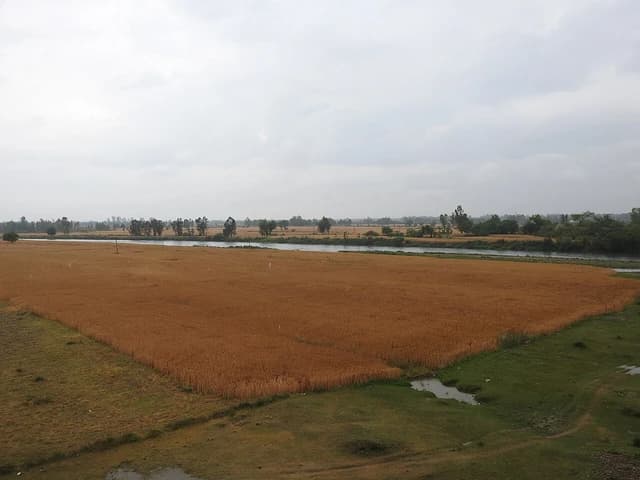
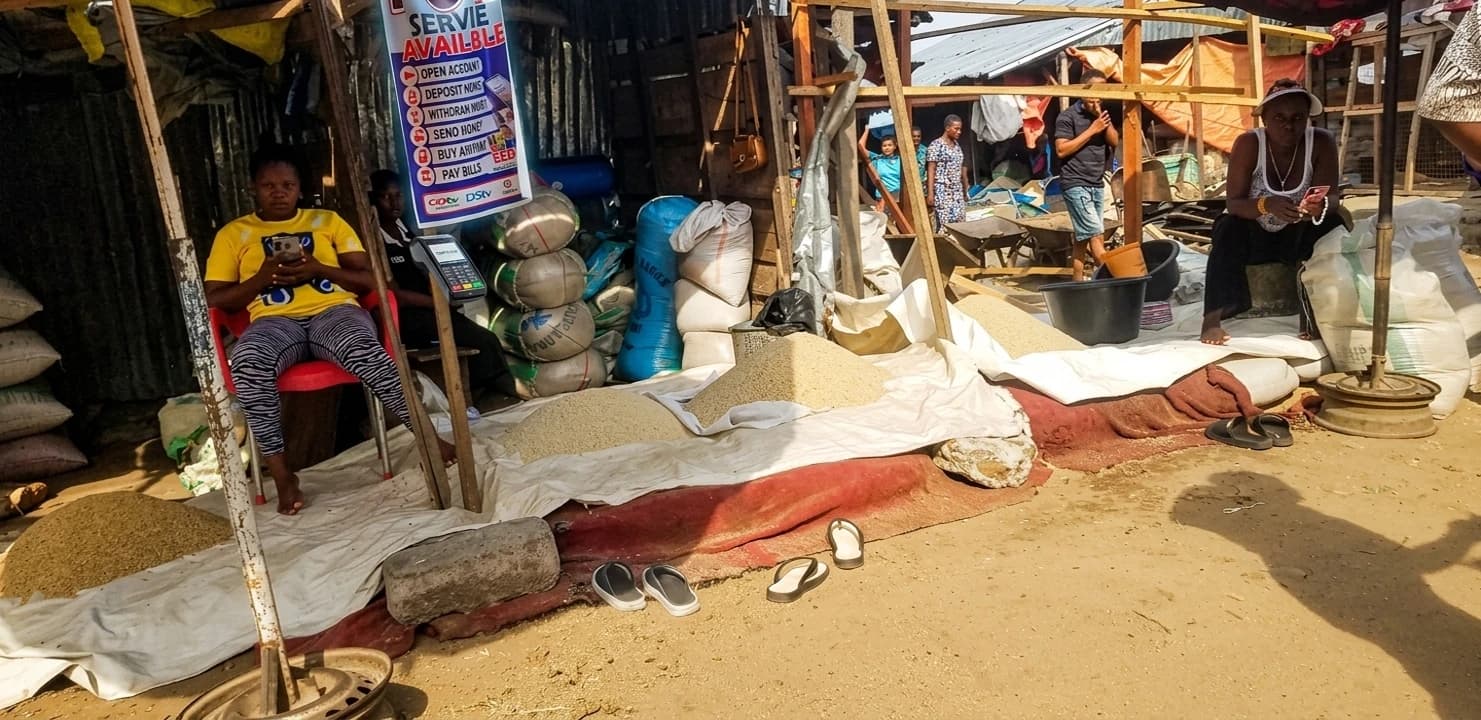
There is also a policy and execution risk. Reports of fake seeds and substandard fertilizers in other farming regions are a reminder that intensification without quality control can destroy value quickly. If Punjab wants cash crops to become a durable rotation tool rather than a speculative add-on, local extension services and regulators will need to improve seed certification, input monitoring and farmer training. The bull case is that a diversified rotation lifts soil health and income stability. The bear case is that without reliable inputs and market access, farmers take on more cost without enough pricing power to justify the switch.
For investors, the message is that Punjab’s crop diversification is part of a larger global trade: higher input costs, firmer food-price expectations and a market that continues to reward agricultural resilience. The immediate beneficiaries are growers and input suppliers that can prove yield gains; the losers are those tied to inefficient, monocrop systems and unreliable farm-input chains.
| Entity | Gains | Losses |
|---|---|---|
| Punjab farmers using rotation | ▲Higher margins, lower crop risk | ▼Monocrop dependence |
| Seed and fertilizer quality suppliers | ▲Stronger demand for certified inputs | ▼Fake-input sellers |
| ADM and agri merchants | ▲Firmer commodity handling volumes | ▼Weak crop-price cycles |
| Traditional wheat-paddy systems | ▲Soil strain relief | ▼Water-intensive, low-flexibility model |