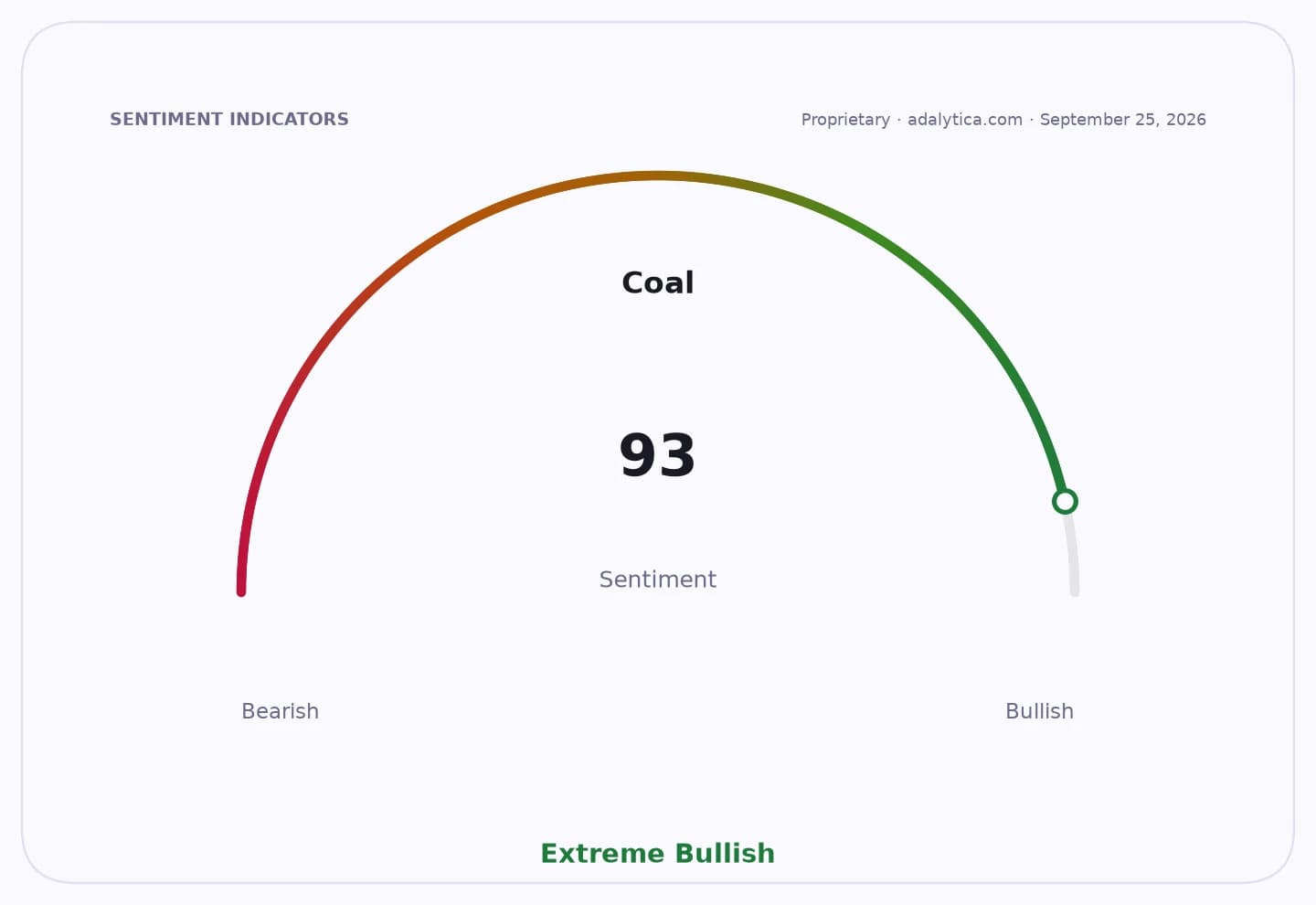
QatarEnergy’s restart of work on the North Field East LNG megaproject is the clearest sign yet that the next phase of the global gas market is moving from supply anxiety to supply build-out — and investors should pay attention. In a world where European buyers are still scrambling for non-Russian molecules, Russia is leaning harder on a shadow LNG fleet, and natural gas sentiment remains in deep fear territory, every new barrel-equivalent of reliable LNG capacity matters.
QatarEnergy restarts North Field East LNG work

The resumption of construction on NFE is economically important because it reinforces Qatar’s role as the market’s swing supplier for the second half of the decade. LNG is no longer just a commodity story; it is a strategic infrastructure story tied to power generation, industrial competitiveness and geopolitical leverage. When a project of this scale restarts, it effectively resets expectations for future supply, pricing power and capital allocation across the entire gas complex.
That matters now because the market is still underpricing how constrained the LNG system remains in the near term. Europe’s LNG imports have recently fallen to low levels, Bangladesh is facing power cuts after a terminal accident cut pipeline gas supply, and buyers from India to Belgium are being forced to rethink where their fuel comes from. At the same time, crude around the high-$80s a barrel and the U.S. 10-year yield near 4.75% keep the macro backdrop tight enough to make energy security a boardroom priority, not a cyclical afterthought.
For investors, the restart strengthens the case for owning the toll roads of the LNG buildout rather than trying to time the commodity itself. Qatar’s expansion supports a multi-year wave of spending on liquefaction, shipping, cryogenic equipment, gas processing and export infrastructure. That favors operators with locked-in reserves and project execution advantages, while also lifting the strategic value of Western majors with LNG exposure, particularly Exxon Mobil and Shell, both of which remain deeply embedded in global gas supply chains.
The stock action already hints at that setup. Cheniere’s LNG shares have surged far above both their 50-day and 200-day moving averages, while Exxon and Shell have also held strong gains, reflecting investor appetite for energy names with durable cash flows and direct exposure to global gas tightness. The market is not pricing this as a fading trade; it is increasingly treating LNG as an enduring secular theme driven by electrification, AI-related power demand and the need for dependable backup fuel.
The bigger narrative is that QatarEnergy’s NFE restart is not an isolated project update — it is another brick in the wall for a structurally tighter, geopolitically fragmented gas market. Russia is trying to preserve export capacity through sanctions workarounds, but Qatar is building the kind of scale that can anchor supply for years. That creates a powerful setup for LNG exporters, infrastructure owners and integrated energy companies with the balance sheets to capture the next capex cycle.
My thesis is simple: the market underestimates how long LNG scarcity pricing and strategic investment demand will persist. If you want exposure, focus on the beneficiaries of long-duration LNG expansion — not the volatility of spot gas. QatarEnergy’s NFE restart is a reminder that the next major move in energy may come from infrastructure, not just price.
| Entity | Gains | Losses |
|---|---|---|
| QatarEnergy | ▲Project momentum | ▼Delay risk eases |
| LNG exporters | ▲Tighter long-term supply | ▼Spot-price traders |
| Exxon Mobil | ▲LNG-linked cash flow | ▼Buyers facing higher costs |
| Shell | ▲Infrastructure and trading leverage | ▼Import-dependent utilities |