A QatarEnergy liquefied natural gas tanker has left the Strait of Hormuz for the first time in nearly three weeks, easing one of the market’s most acute supply-chain fears and offering a brief reprieve to a gas market that has been pricing in a far worse Middle East disruption.
QatarEnergy tanker exits Strait of Hormuz after nearly three weeks
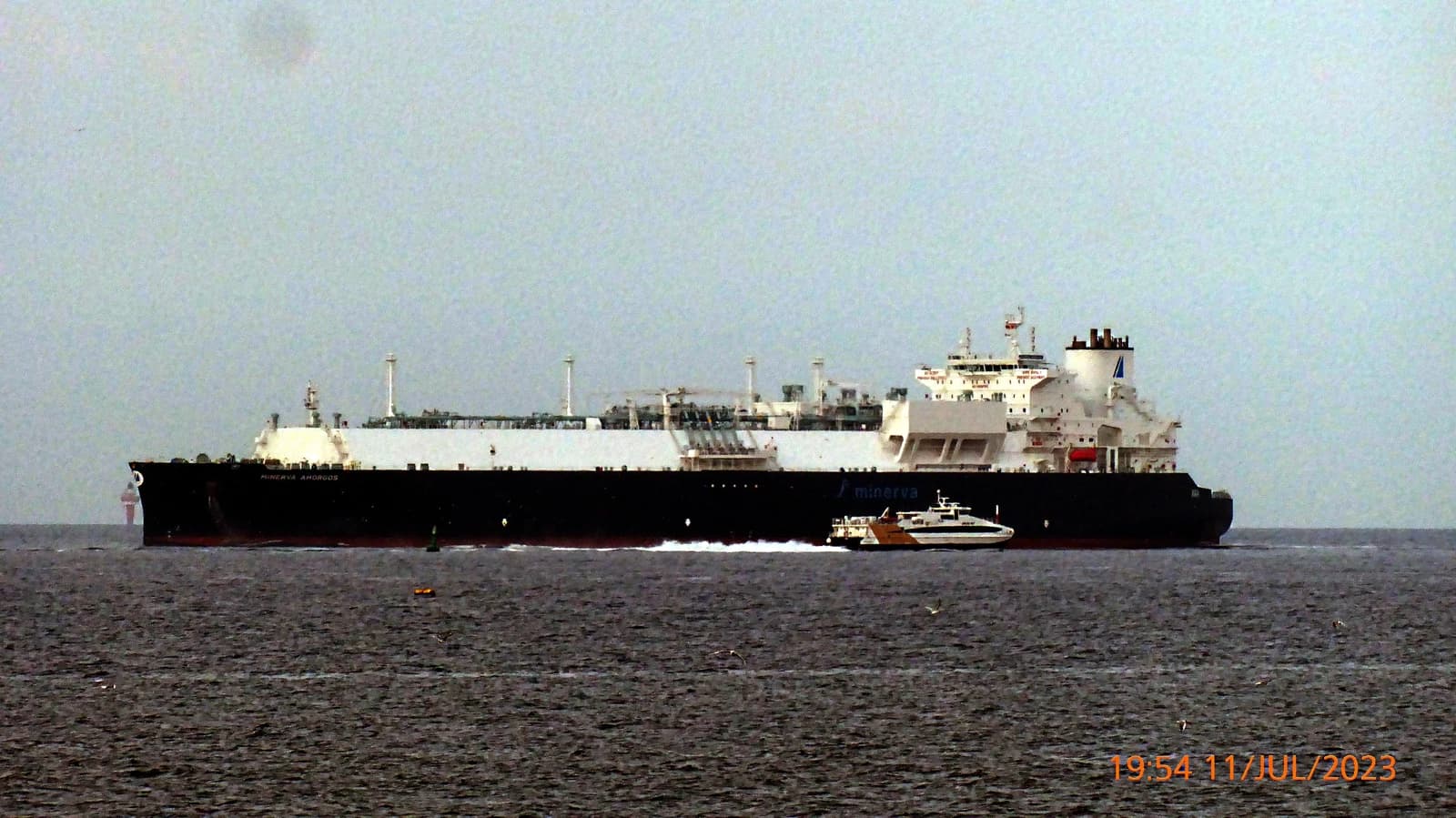
The shipment matters because Hormuz is the narrow choke point through which a large share of the world’s LNG and crude exports flow. When cargoes stop moving, traders do not wait for confirmation that supply has been lost; they bid up insurance, freight and gas prices immediately. The resumption of a QatarEnergy movement is therefore not just a shipping detail — it is a signal that a key exporter can still access the route that underpins global LNG trade.
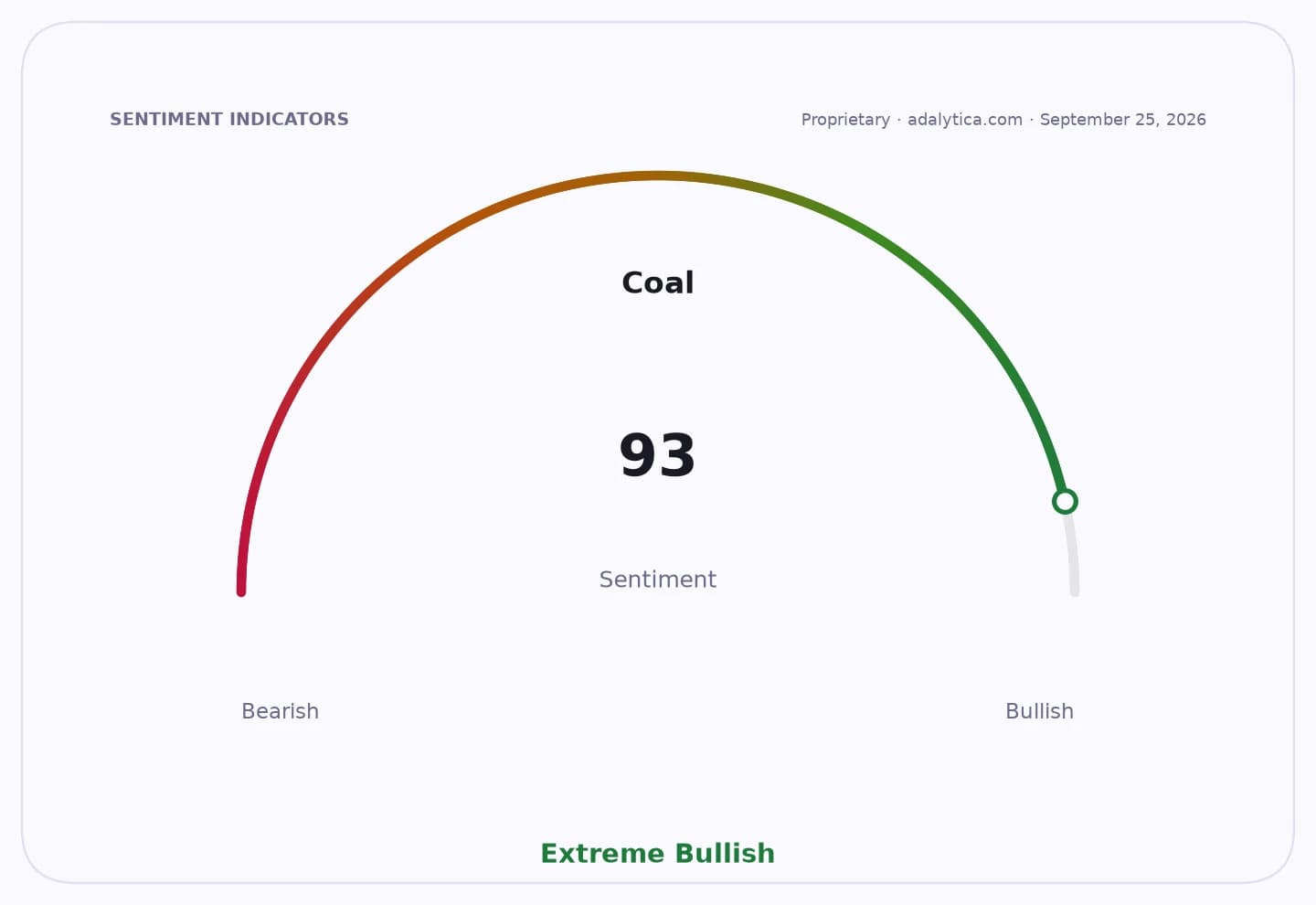
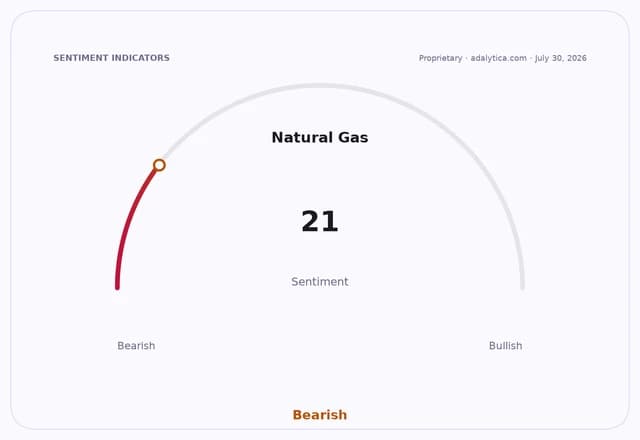
Sentiment IndicatorsⓘProprietary · adalytica.com · July 30, 2026
This is a snapshot — live sentiment, awareness and momentum for 130+ markets update continuously in the dashboard.Open AlphaPulse
That is especially important for Europe and Asia, which have spent the past few years learning that LNG is no longer a niche fuel but a geopolitical asset. Any sustained interruption from Qatar, one of the industry’s biggest suppliers, would tighten prompt balances quickly and force importers to compete harder for Atlantic Basin cargoes. Egypt’s own scramble for LNG supplies and its new import commitments underscore how fragile the market remains when weather, outages or conflict squeeze availability.
The reaction in energy-related assets suggests investors are still treating supply risk as a live theme rather than a one-off headline. U.S. LNG producer Cheniere Energy, whose shares have climbed to about $258.61 from $239.01 on June 30, remains well above both its 50-day and 200-day moving averages, while tanker owner Scorpio Tankers is also holding near the upper end of its recent range. Technical readings across the sector show momentum is positive, but not yet euphoric, leaving room for further upside if geopolitical risk flares again.
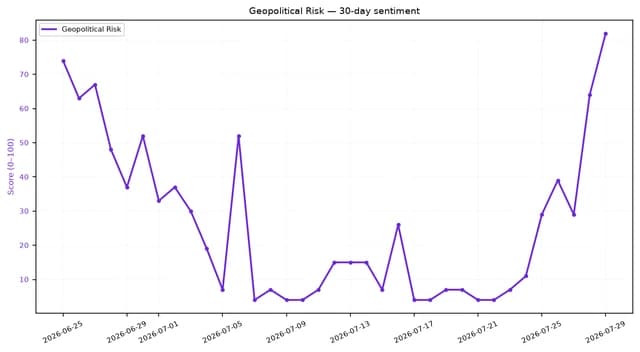
Adalytica’s Global Stability Sentiment gauge sits at 82, labeled Greed, even as awareness remains in Extreme Fear at 11 — a classic sign that markets are optimistic on the surface while still underpricing tail risks. For LNG investors, that disconnect is the opportunity. The market may be assuming the Hormuz episode is de-escalating, but every tanker movement through the strait is a reminder that LNG pricing power, shipping rates and contract leverage all improve when redundancy is scarce.
That is why this matters beyond a single sailing. Qatar’s export flows help anchor global gas pricing, support shipping utilization and shape the bargaining power of producers with flexible cargoes. If transit normalizes, near-term panic fades. But if the gap in shipments reopens, the trade quickly shifts back toward the same playbook seen in past energy shocks: higher spot prices, stronger LNG exporters, and renewed demand for the infrastructure and shipping companies that sit on the toll road between gas fields and import terminals.
For investors, the takeaway is straightforward: keep exposure to LNG infrastructure, export capacity and shipping capacity on the watchlist, because the market still underestimates how quickly a geopolitics-driven supply squeeze can turn into a cash-flow windfall.
| Entity | Gains | Losses |
|---|---|---|
| QatarEnergy | ▲Restored export flow | ▼Route-risk premium |
| LNG exporters | ▲Tighter pricing power | ▼Disruption fears easing |
| LNG shippers | ▲Higher utilization | ▼Idle-vessel risk |
| Importers in Europe and Asia | ▲Short-term supply relief | ▼Panic buying pressure |