Raiffeisen Bank International’s Russia franchise is back in the spotlight after short seller Grizzly Research said the unit remains “very active,” reviving investor concerns that the Austrian lender still has meaningful exposure to a market under intense Western sanctions pressure.
Raiffeisen Bank Russia unit faces new short seller claims
The issue matters because Raiffeisen has spent more than two years trying to prove it can manage down its Russian operations without triggering a steep capital hit or losing access to a business that has still generated material profits. Any suggestion that the bank’s compliance controls are porous, or that it is still deeply embedded in sanctioned flows, raises the odds of tougher regulatory scrutiny in Europe and the US, and could complicate efforts to unwind the unit on acceptable terms.
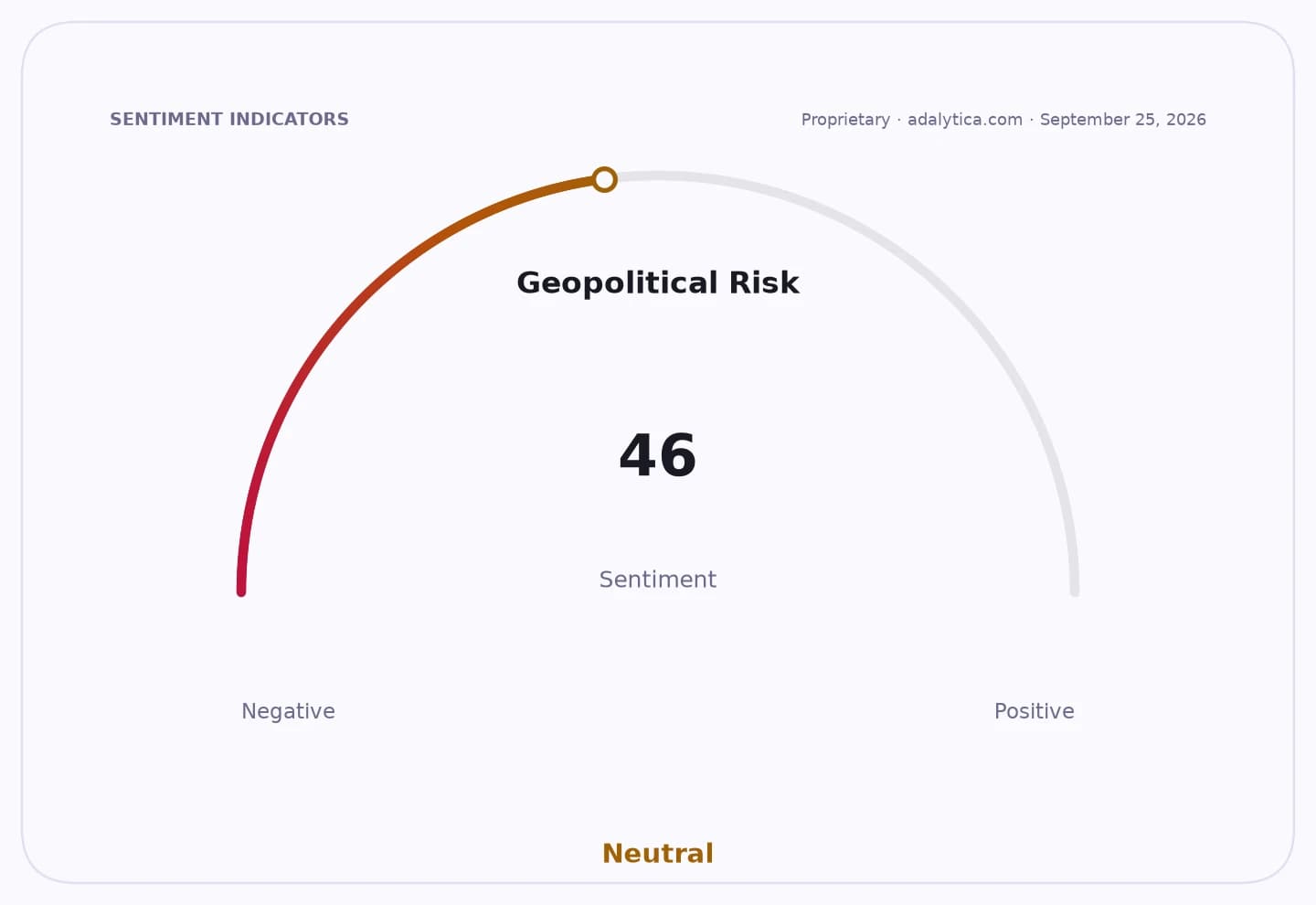
Sentiment IndicatorsⓘProprietary · adalytica.com · September 18, 2026
This is a snapshot — live sentiment, awareness and momentum for 130+ markets update continuously in the dashboard.Open AlphaPulse
Grizzly CEO Siegfried Eggert, speaking to CNBC after the report, said the Russia business was “very active,” while a Raiffeisen spokesperson rejected the claims, saying the bank stands by the strength of its compliance systems and that the report contained “a number of factual wrong and misleading statements.” The confrontation sets up the familiar tension around Raiffeisen: the bear case is that the lender is still exposed to reputational, legal and sanction risks tied to Russia; the bull case is that management has repeatedly said its controls have been reviewed and that the bank is steadily working through a highly constrained exit.
Investors have long treated Raiffeisen as a barometer for the cost of doing business in Russia after the invasion of Ukraine. The bank remains one of the most visible European lenders with a large Russian presence, and that makes it unusually sensitive to geopolitical shifts, enforcement actions and any sign that sanctioned counterparties may be involved. For shareholders, the risk is not just a headline-driven selloff; it is the possibility of fines, asset-trapping measures or a forced acceleration of the Russian retreat that could hit earnings and capital returns.
The report lands at a time when Western authorities continue to tighten sanctions enforcement on Russian financial institutions and on channels used to move money around restrictions. That wider backdrop increases the stakes for any bank with cross-border Russia exposure. Even if the allegations do not translate into formal action, they can still weigh on valuation by extending the discount investors attach to opaque assets and limiting confidence in the eventual exit price.
Raiffeisen’s shares in recent trading have reflected that tension, with the stock still below the levels seen in its strongest rallies earlier in the year, even as broader European banking sentiment has been comparatively firm. For now, the key question is whether the short seller’s claims prompt fresh regulatory checks or simply another round of denial-and-rebuttal. Either way, the market will keep focusing on the same issue: how much Russia risk is still embedded in one of Europe’s most exposed lenders, and how costly it will be to get out.
| Entity | Gains | Losses |
|---|---|---|
| Grizzly Research | ▲Attention to allegations | ▼Credibility if claims fail |
| Raiffeisen Bank International | ▲Limited benefit from defense | ▼Reputation, valuation, scrutiny |
| Regulators | ▲Stronger enforcement case | ▼Burden of deeper review |
| Existing shareholders | ▲Possible clarification if denied | ▼Sanctions, legal and capital risk |