Auto makers are facing a tougher operating backdrop as fresh inflation and energy-price risks cloud consumer demand for higher-priced vehicles, while rate expectations remain sticky enough to keep financing costs elevated.
Rising rates pressure automakers as fuel risks linger
That matters because cars are one of the most credit-sensitive major purchases in the economy. With U.S. consumer prices still running far above pre-pandemic levels and the 10-year Treasury yield around 4.53%, buyers of mainstream sedans, SUVs and premium trims face a double squeeze: higher sticker prices and more expensive monthly payments. For automakers, that combination can slow showroom traffic, force heavier incentives and weaken pricing power just as the market is trying to normalize after years of supply shortages.
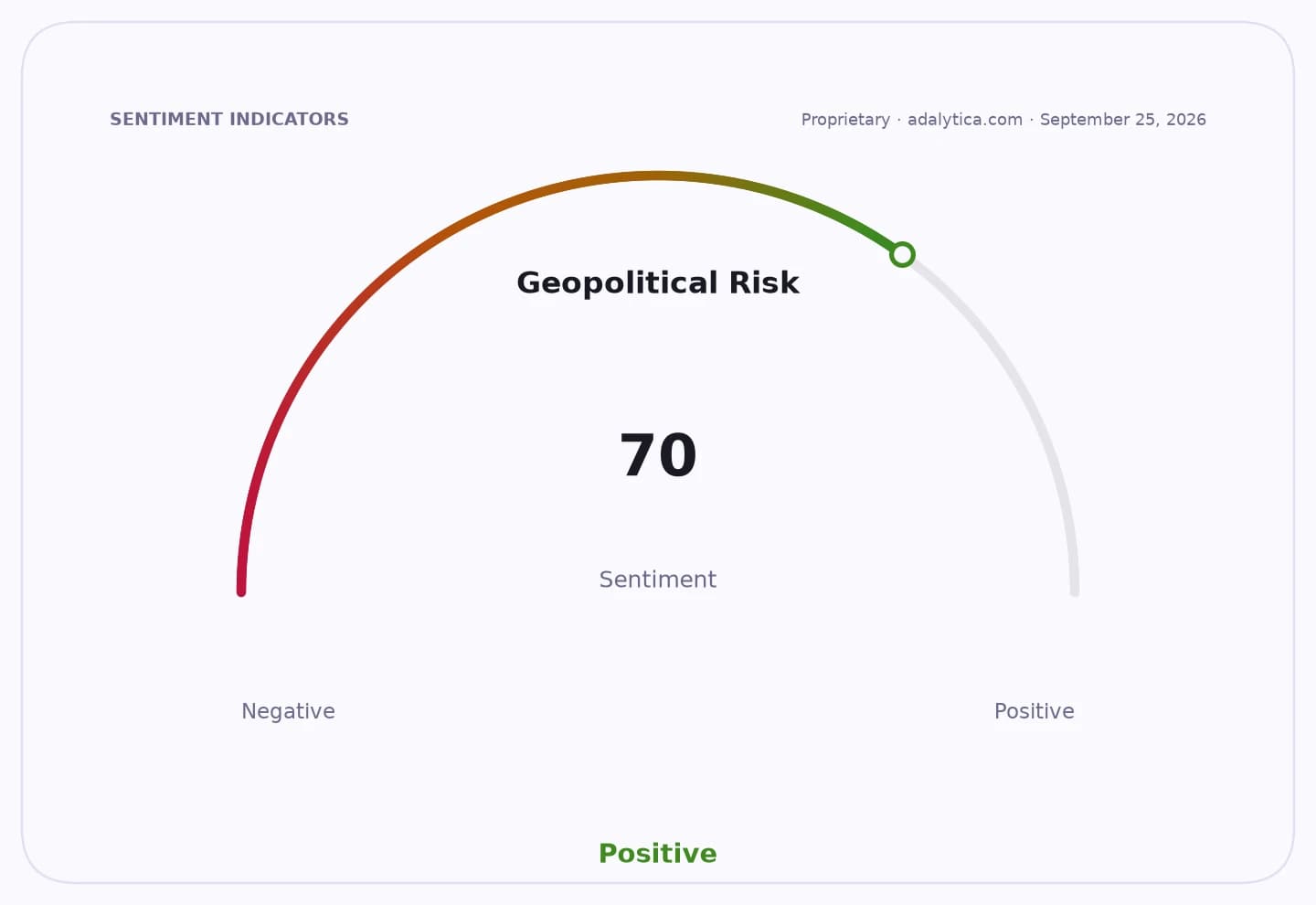
Sentiment IndicatorsⓘProprietary · adalytica.com · July 20, 2026
This is a snapshot — live sentiment, awareness and momentum for 130+ markets update continuously in the dashboard.Open AlphaPulse
Toyota Motor shares were recently at $178.53, well below a $204.03 200-day moving average and only slightly above the 50-day average, a pattern that suggests the market is still discounting the company’s longer-term earnings trajectory even after a rebound from the June low of $172.03. Honda Motor, meanwhile, traded at $28.17, just under its 200-day average of $28.26 and above the 50-day average of $26.69, indicating a more tentative recovery. By contrast, both names had been under pressure earlier in the year, with Toyota briefly dropping to $172.03 and Honda to $23.65, underscoring how quickly auto stocks have reacted to shifts in inflation, rates and currency sentiment.
The broader macro picture is not supportive. U.S. inflation has cooled from its pandemic peak but remains high, with the CPI index at 332.568 in June and a forecast of 335.512 for July. Unemployment at 4.2% suggests the labor market is still holding up, but not enough to offset the drag from borrowing costs and fuel uncertainty. Adalytica’s U.S. dollar trade signal shows sentiment in “Fear” territory at 27, while the S&P 500 signal has also weakened, a combination that typically leaves cyclical sectors such as autos vulnerable to de-risking.
CPIAUCSL vs DGS10 — macro contextadalytica.com
Explore this data interactively — full history, time series and cross-market comparisons.Open AlphaPulse
The oil backdrop adds another layer of pressure. News of intervention in Russian refineries to blunt the effect of a surge in Brent crude points to how fragile the fuel-cost outlook remains. Higher oil prices can help hybrid and fuel-efficient models in relative terms, but they usually hurt the industry overall by squeezing discretionary spending and raising operating costs across supply chains. That is particularly relevant for mass-market buyers in developing and import-dependent markets, where vehicle affordability is tightly linked to petrol prices and local financing conditions.
For investors, the key question is whether the current move in auto shares reflects a buying opportunity or the start of a more protracted de-rating. The bull case is that Toyota’s scale, hybrid leadership and strong global distribution can help it outperform if consumers trade down to more efficient vehicles. Honda may also benefit from demand for practical, lower-cost cars and motorcycles, especially if emerging-market demand holds up. The bear case is that rate-sensitive consumers will keep delaying purchases, forcing incentives higher and pressuring margins, while any further spike in fuel costs or imported inflation could slow volumes across both premium and mass-market segments.
The market will be watching whether inflation decelerates enough to allow Treasury yields to ease and whether crude stabilizes before the next round of pricing decisions. If not, the sector’s recent resilience may prove fragile, with mainstream models, premium sedans and high-value SUVs all exposed to a slower, more selective consumer.
| Entity | Gains | Losses |
|---|---|---|
| Hybrid and fuel-efficient makers | ▲Demand tailwind | ▼None |
| Toyota and Honda | ▲Relative resilience | ▼Margin pressure |
| Consumers | ▲Better efficiency choices | ▼Higher monthly payments |
| Oil producers | ▲Stronger pricing power | ▼Auto demand sensitivity |