Andrew Hauser’s warning that the Reserve Bank of Australia will raise rates if inflation risks materialise is the clearest sign yet that policymakers are not ready to declare victory over price pressures, and investors should treat that as a live tightening bias rather than idle rhetoric.
RBA Keeps Hike Bias as Inflation Risks Stay Alive
That matters because Australia is already operating with rates that are restraining growth, yet the central bank is signalling it would still move again if inflation proves sticky. In a world where markets have been leaning toward easier policy in some major economies, that keeps Australia on a more hawkish path and raises the bar for any rally in rate-sensitive assets.
Sentiment IndicatorsⓘProprietary · adalytica.com · August 19, 2026
This is a snapshot — live sentiment, awareness and momentum for 130+ markets update continuously in the dashboard.Open AlphaPulse
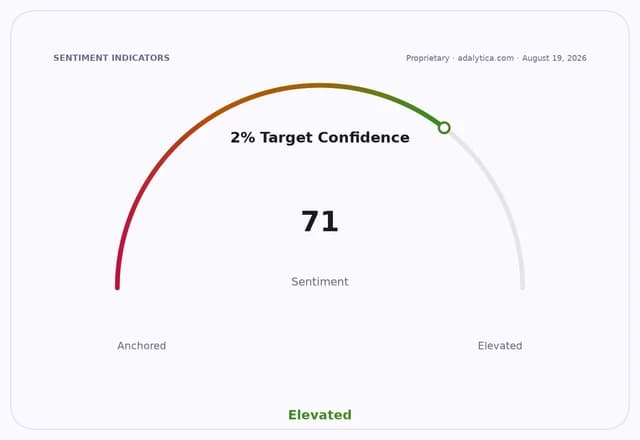
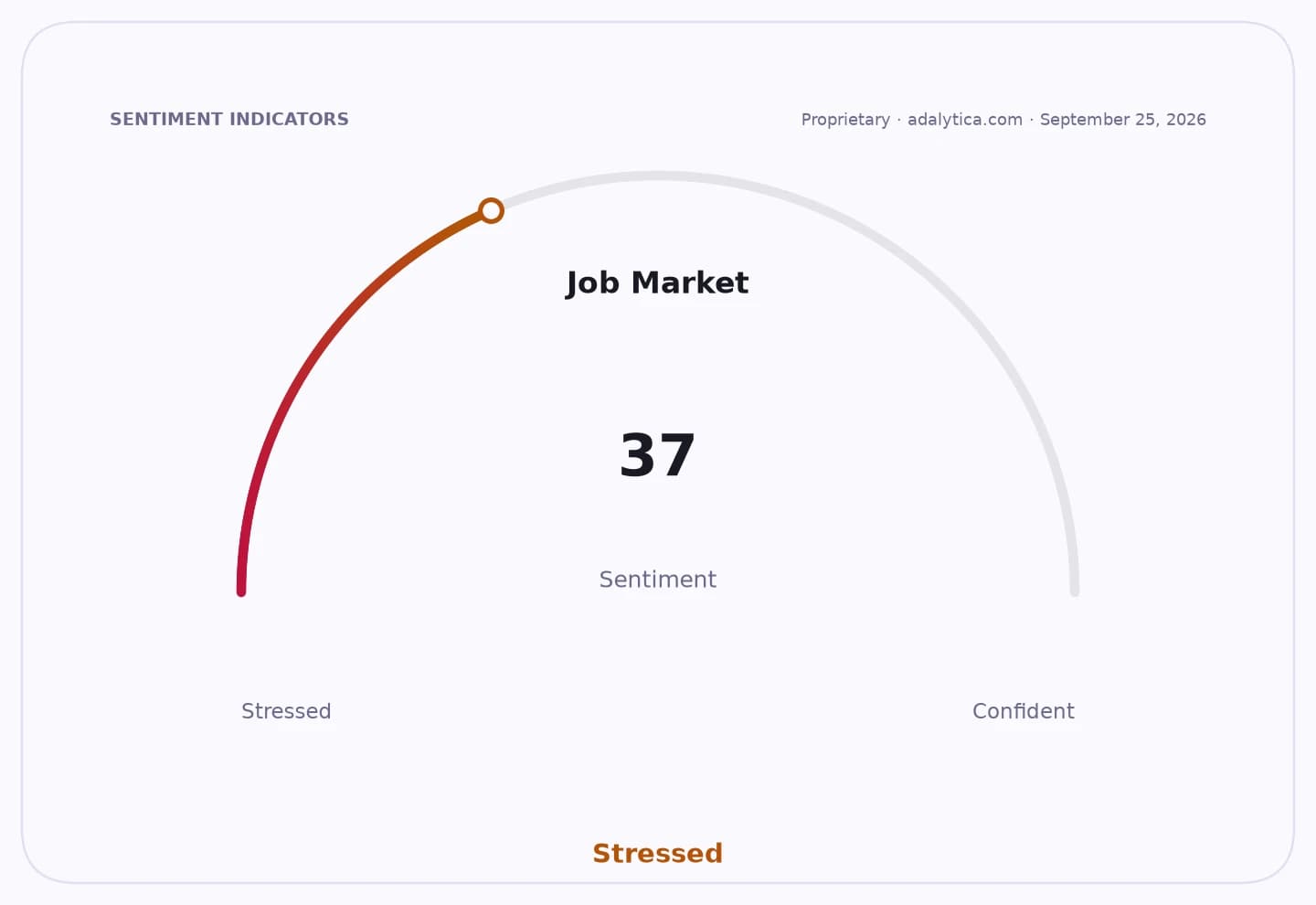
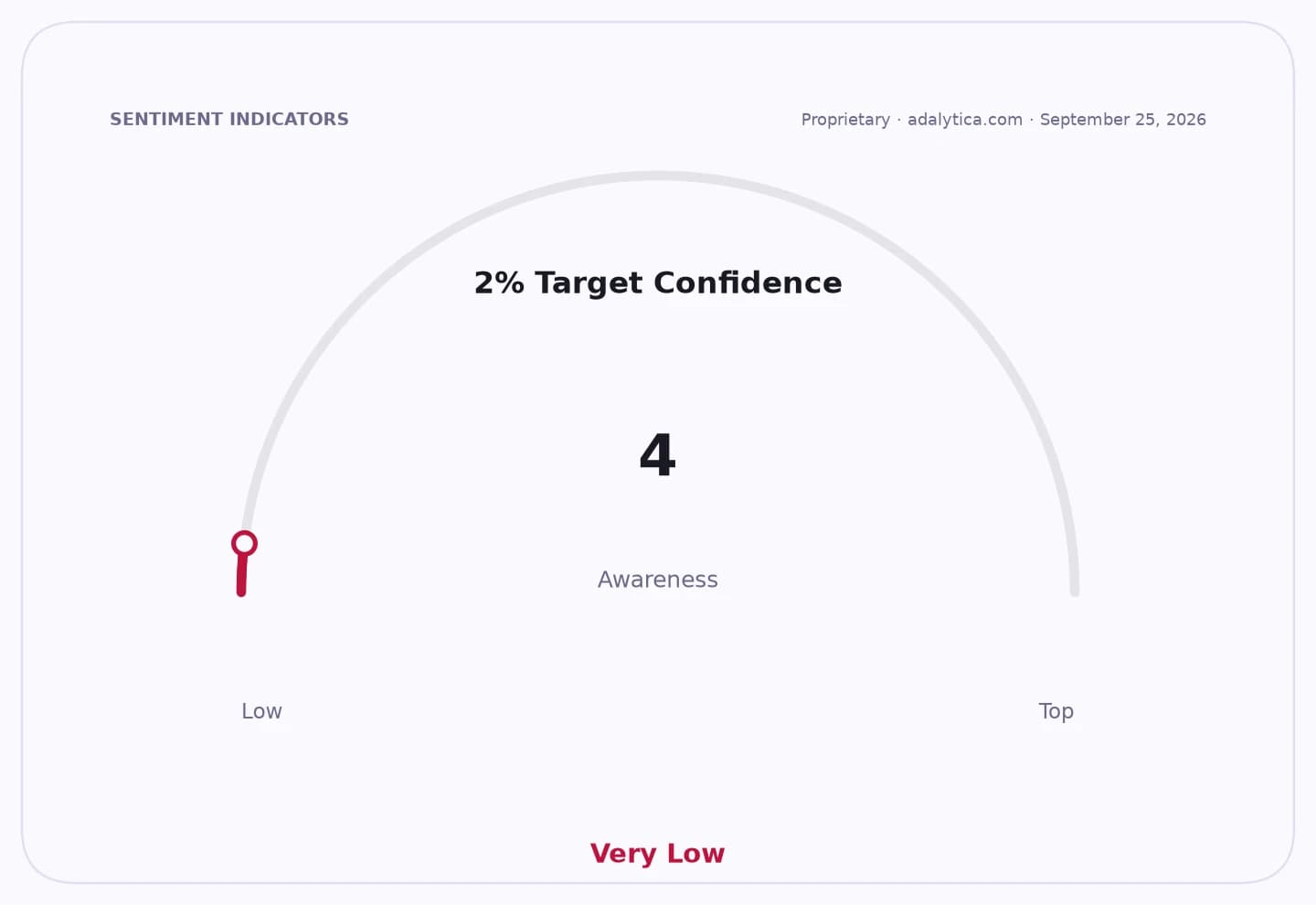
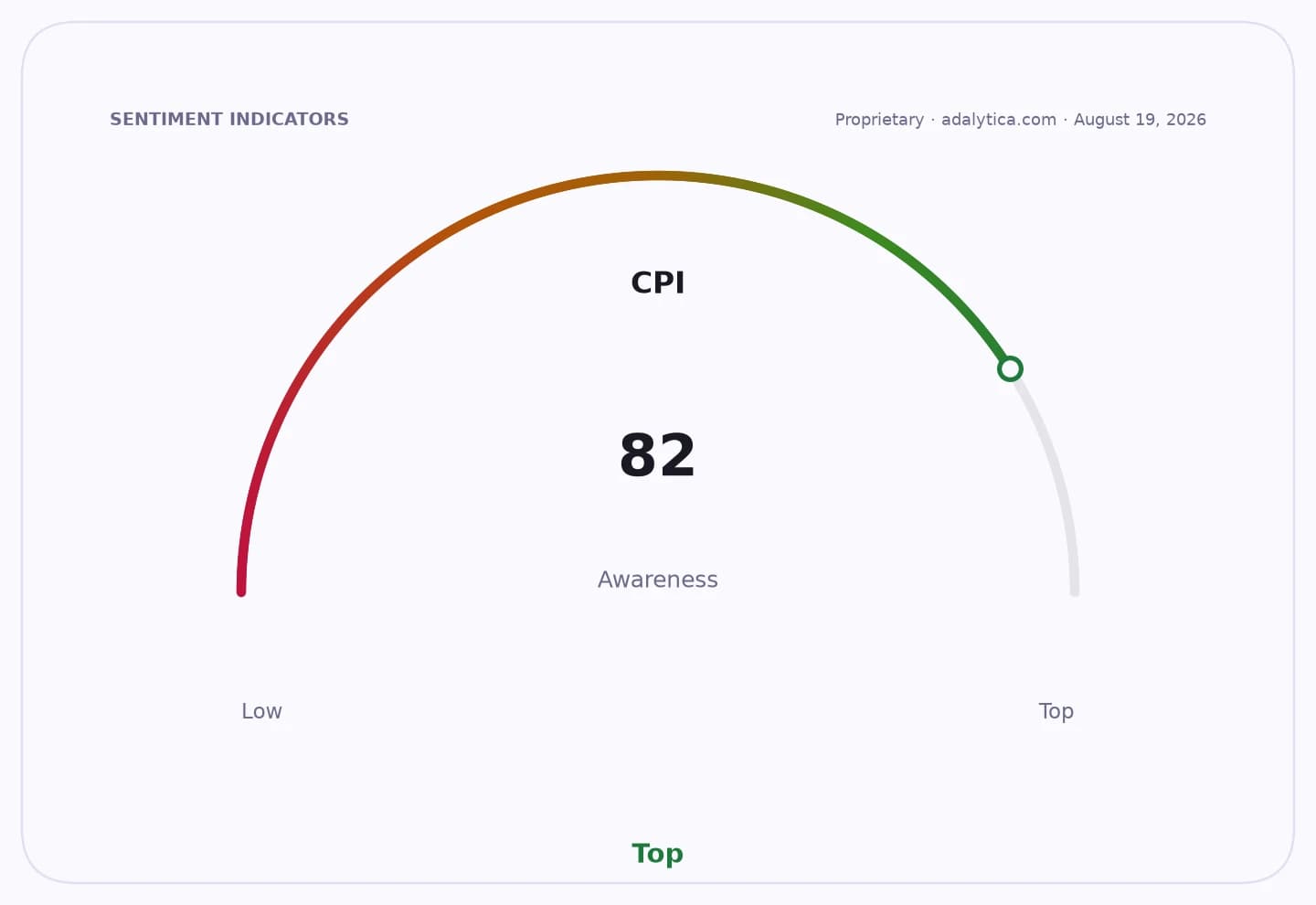
The message lands against a backdrop of stubborn inflation psychology. Australia’s consumer price index has climbed to 332.8 from 332.6 a month earlier, while the Adalytica CPI Sentiment gauge sits at 91, labelled Extreme Greed, suggesting investors are still highly alert to inflation risk. Confidence in the Federal Reserve’s 2% target has also softened, a reminder that central banks globally are still fighting to anchor expectations even as growth cools.
For the Australian dollar, the implication is straightforward: a central bank that is openly willing to hike again is a support, especially when the currency is already trading around 0.71 and holding above its 50-day and 200-day moving averages. The technical picture is constructive, with RSI readings near 66 and the MACD still positive, which tells you momentum is not fading yet. That makes the Aussie a potential beneficiary if global rate differentials stop moving sharply against it.
FEDFUNDS vs CPIAUCSL — macro contextadalytica.com
Explore this data interactively — full history, time series and cross-market comparisons.Open AlphaPulse

The local equity market, however, faces a more nuanced setup. The ASX 200 has pushed above 9,000 and is holding near 9,047, but higher-for-longer rates keep pressure on banks, property, construction and consumer spending. The broader All Ordinaries is also near record territory at 9,249, yet that strength may prove fragile if the RBA confirms it is willing to tighten further. In other words, the index can levitate, but the market underneath is still vulnerable to valuation compression in rate-sensitive sectors.
Bond investors are the most exposed. Australian yields are already tracking the global repricing of monetary policy risk, and the signal from Canberra is that any complacency about cuts is premature. That matters not just for duration-heavy portfolios but for every asset class priced off discount rates, from infrastructure to long-duration growth stocks. The message from the RBA is that inflation remains the first-order variable.
Our thesis is that this is not the moment to chase the idea of an imminent Australian easing cycle. The market underestimates how quickly the RBA would move if inflation reaccelerates, and that creates asymmetric upside in the Australian dollar, selective support for financials, and continued headwinds for heavily levered domestic sectors. If you want exposure, stay with balance-sheet strength, pricing power and exporters that can benefit from firmer policy without depending on domestic demand.
The key catalyst now is the next inflation print and any follow-up guidance from the RBA. If price pressures stay sticky, Australia could become one of the more persistent hawkish outliers in developed markets — and that would keep the pressure on rates, reshaping capital flows for months, not weeks.
| Entity | Gains | Losses |
|---|---|---|
| Australian dollar | ▲Hawkish policy support | ▼Rate-cut bets |
| Australian banks | ▲Wider margin tailwinds | ▼Credit-demand risk |
| ASX exporters | ▲Firmer currency backdrop from policy clarity | ▼Rate-sensitive domestic sectors |
| Property and consumer stocks | ▲— | ▼Higher borrowing costs |