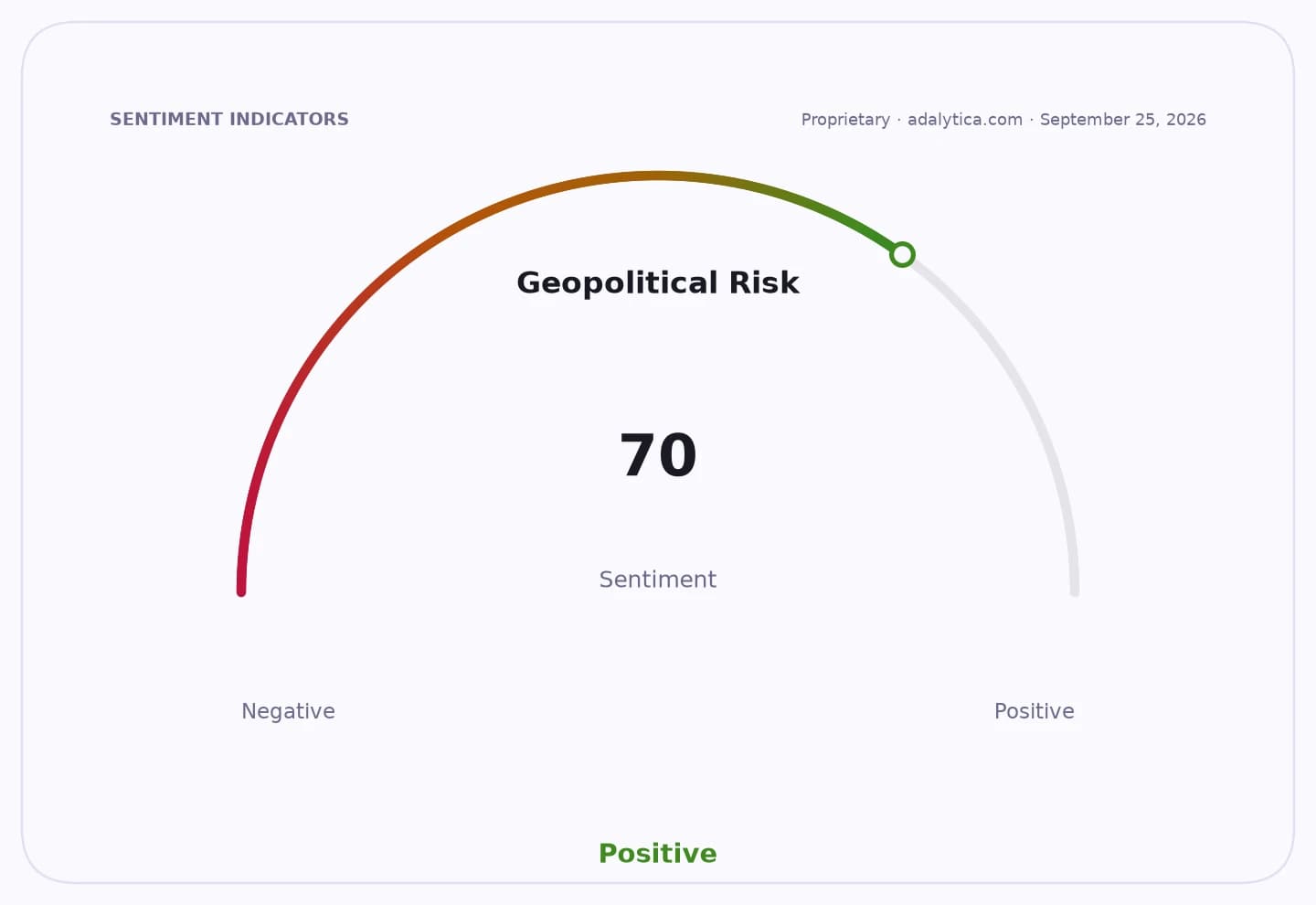
The Reserve Bank of India sold about $7 billion in foreign exchange over three sessions to slow the rupee’s slide, signaling a lower tolerance for further weakness and raising the cost of defending one of Asia’s most closely watched currencies.
RBI sells $7 billion to support rupee

The intervention matters because it shows the RBI is willing to spend reserves aggressively to smooth volatility even as higher oil prices and a firmer US dollar keep pressure on emerging-market currencies. For India, a weaker rupee feeds directly into imported inflation, especially for energy, and can complicate the central bank’s balancing act between supporting growth and preserving price stability.
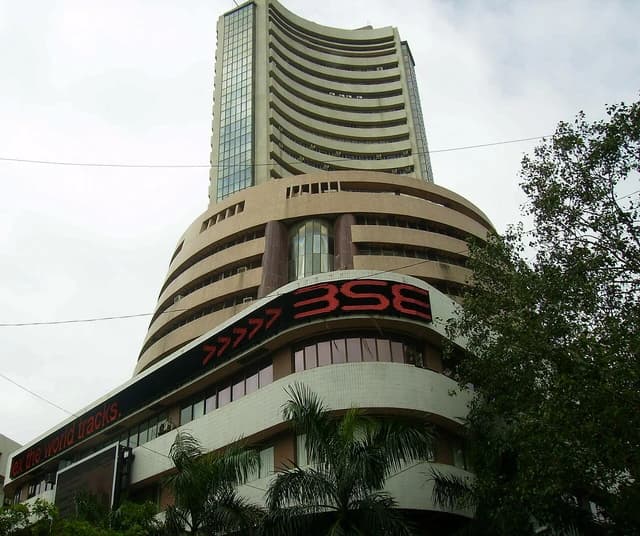
The rupee has gained for six straight sessions after touching record-low pressure, helped by persistent official selling of dollars and some foreign portfolio inflows. That recovery has come alongside a broader pullback in dollar strength, but the RBI’s hand has been the decisive factor in keeping the move orderly rather than disorderly.
Market signals underline that tension. The India ETF tracked by INDA has rebounded from its March lows, but it remains below its 200-day moving average, suggesting investors are still treating the recovery cautiously. The 50-day average is now near the current price, and momentum readings have improved from deeply oversold levels earlier this year, reflecting a market that has stabilized but not fully reset.
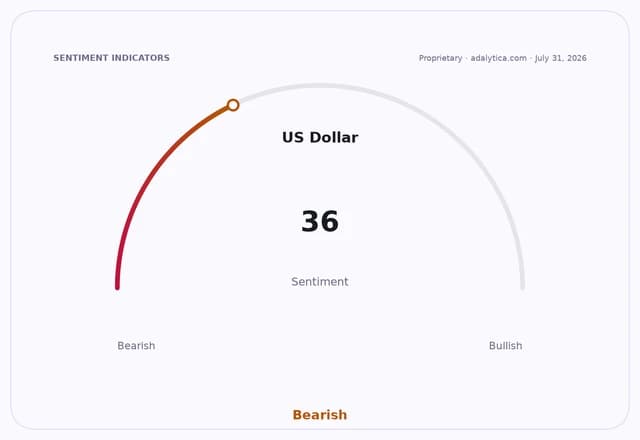
For investors, the RBI’s intervention is both a support and a warning. It reduces the immediate risk of a sharp currency overshoot, which can be positive for import-sensitive sectors and broader risk appetite. But it also suggests the central bank may be using reserves more readily than it would in a calmer environment, leaving the rupee more exposed if global dollar demand strengthens again or oil prices stay elevated.
The move also has implications beyond foreign exchange markets. A firmer rupee can ease imported inflation pressures and support bonds, while exporters may face tighter margins if the currency appreciates further. Importers and companies with dollar liabilities are the clearest near-term beneficiaries; energy buyers and firms exposed to overseas procurement also gain from a more stable exchange rate.
The key question now is whether the RBI can keep the rupee from testing fresh lows without encouraging one-way speculation against the currency. If foreign inflows deepen and the dollar weakens further, the central bank may not need to intervene as heavily. But if global risk aversion returns, India’s policy makers may face a familiar trade-off: defend the currency harder, or accept a weaker rupee and the inflation risks that come with it.
| Entity | Gains | Losses |
|---|---|---|
| RBI | ▲Slower rupee decline | ▼Foreign exchange reserves |
| Importers / oil buyers | ▲Lower currency volatility | ▼Less predictable hedging costs |
| Exporters | ▲— | ▼Softer pricing advantage |
| Foreign investors | ▲More orderly markets | ▼Reduced upside from rupee weakness |