CMA CGM’s 48% jump in second-quarter net profit underscores a central paradox in container shipping: war risk in the Middle East has hurt trade routes, but it has also kept freight markets firmer for longer than many investors expected.
Red Sea disruption keeps container rates elevated
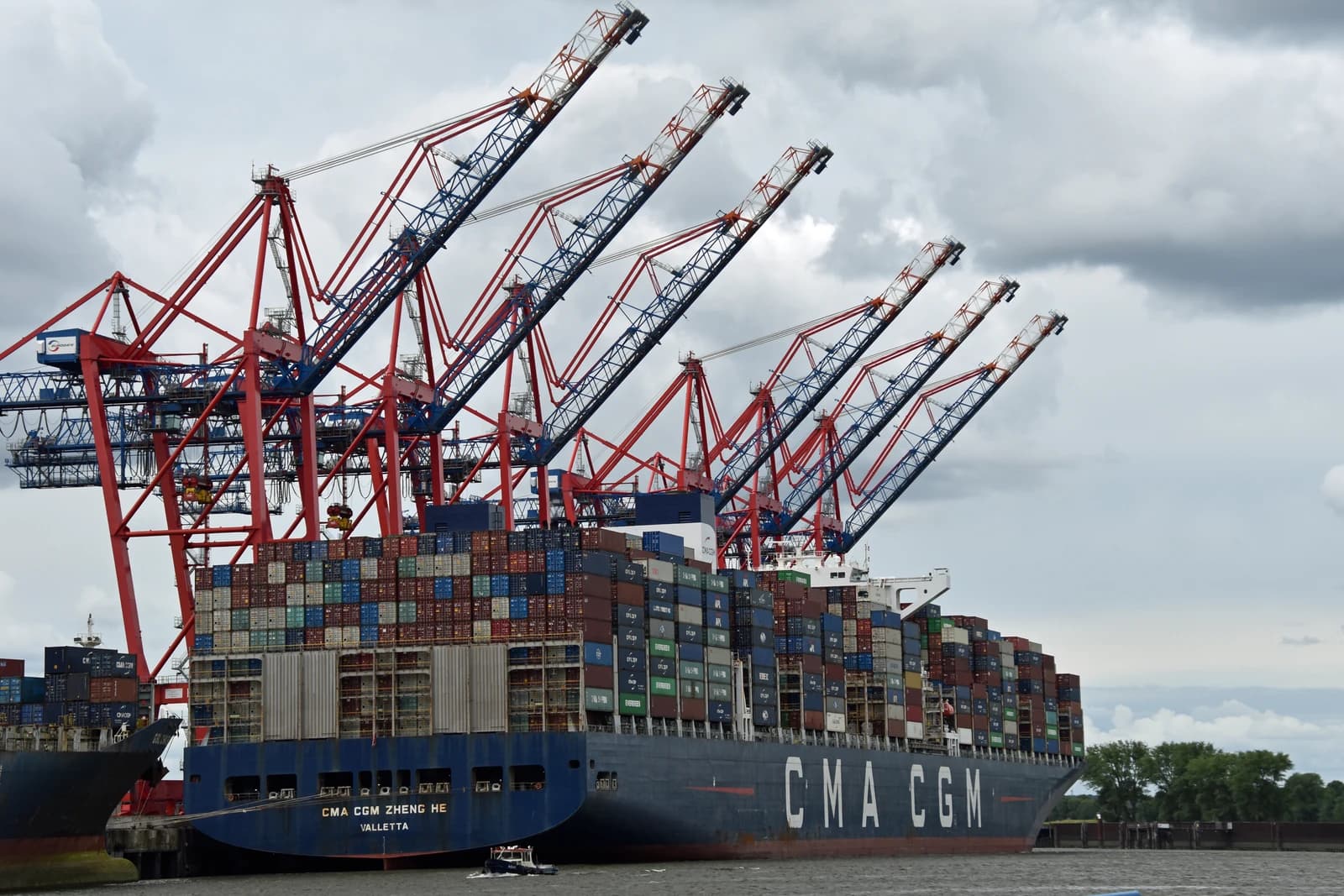
The Marseille-based shipowner said quarterly turnover rose to $15.7 billion, a level that points to how much pricing power the industry retained even as carriers were forced to reroute vessels away from the Red Sea. For investors, the key message is that security-driven disruptions have not yet translated into a collapse in earnings; instead, they have prolonged the period in which lines can benefit from longer voyage times, tighter effective capacity and elevated rates.
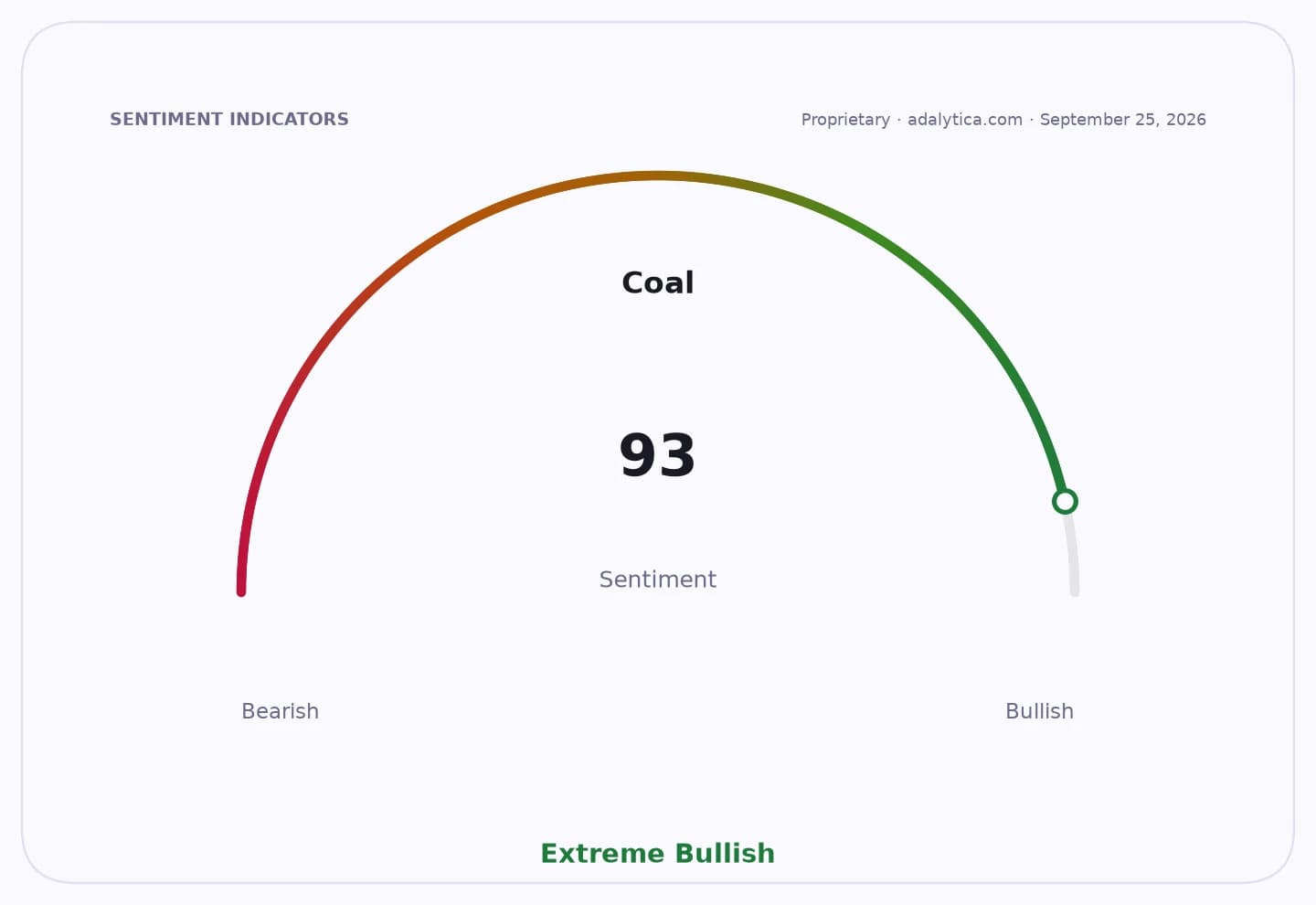
Sentiment IndicatorsⓘProprietary · adalytica.com · July 29, 2026
This is a snapshot — live sentiment, awareness and momentum for 130+ markets update continuously in the dashboard.Open AlphaPulse
That matters economically because the Red Sea remains one of the world’s most important maritime corridors. When shipping firms avoid it, vessels take longer routes around southern Africa, absorbing capacity and supporting rates across the container market. The broader effect is felt far beyond the carriers themselves: importers face higher logistics costs and slower transit times, while exporters that rely on schedule reliability must absorb a less predictable supply chain. The latest profit figure suggests the market has not fully normalised despite repeated hopes that traffic would return to the Suez-linked route.
The backdrop also helps explain why shipping equities have remained volatile. Analysts and investors have been weighing whether the profit boost from rerouting is temporary or whether carriers can preserve margins if conflict risk persists into the second half of the year. In technical terms, shares in peers such as ZIM and Matson have shown strong recent swings, with ZIM’s price moving sharply higher before losing momentum and Matson trading well above its 50-day and 200-day moving averages, a sign that investors are still repositioning around the sector’s earnings cycle. Diana Shipping has also rallied, reflecting the broader move to price in tighter shipping supply and better cash generation across the maritime complex.
The bull case is straightforward: if Red Sea security remains fragile, container lines keep benefiting from constrained effective capacity and elevated freight rates, which can support cash flow, debt reduction and shareholder returns. The bear case is that these earnings may prove cyclical and fragile, especially if a ceasefire or improved naval protection allows traffic to normalise faster than expected, or if weak global goods demand limits carriers’ ability to hold rates. CMA CGM’s results show the sector is still earning from disruption, not immunity from it.
For investors, the next catalyst is whether the war premium embedded in freight pricing can persist into the next quarter. If it does, carrier margins may stay stronger than the market has historically allowed in a normal downcycle. If not, the quarter could mark another peak in a highly cyclical industry that remains hostage to geopolitics as much as to demand.
| Entity | Gains | Losses |
|---|---|---|
| CMA CGM and other carriers | ▲Higher freight income | ▼Route normalisation risk |
| Exporters and importers | ▲None | ▼Higher logistics costs |
| Shipping equities | ▲Margin support | ▼Volatility if rates fade |
| Consumers and shippers | ▲Some supply continuity | ▼Longer transit times |