European oil supplies remain secured for now, but the market is pricing a growing geopolitical premium as attacks in the Red Sea force tankers to reroute and push crude prices back above $100 a barrel in a fresh test of how resilient global supply chains really are.
Red Sea Risks Lift Oil, Energy Stocks
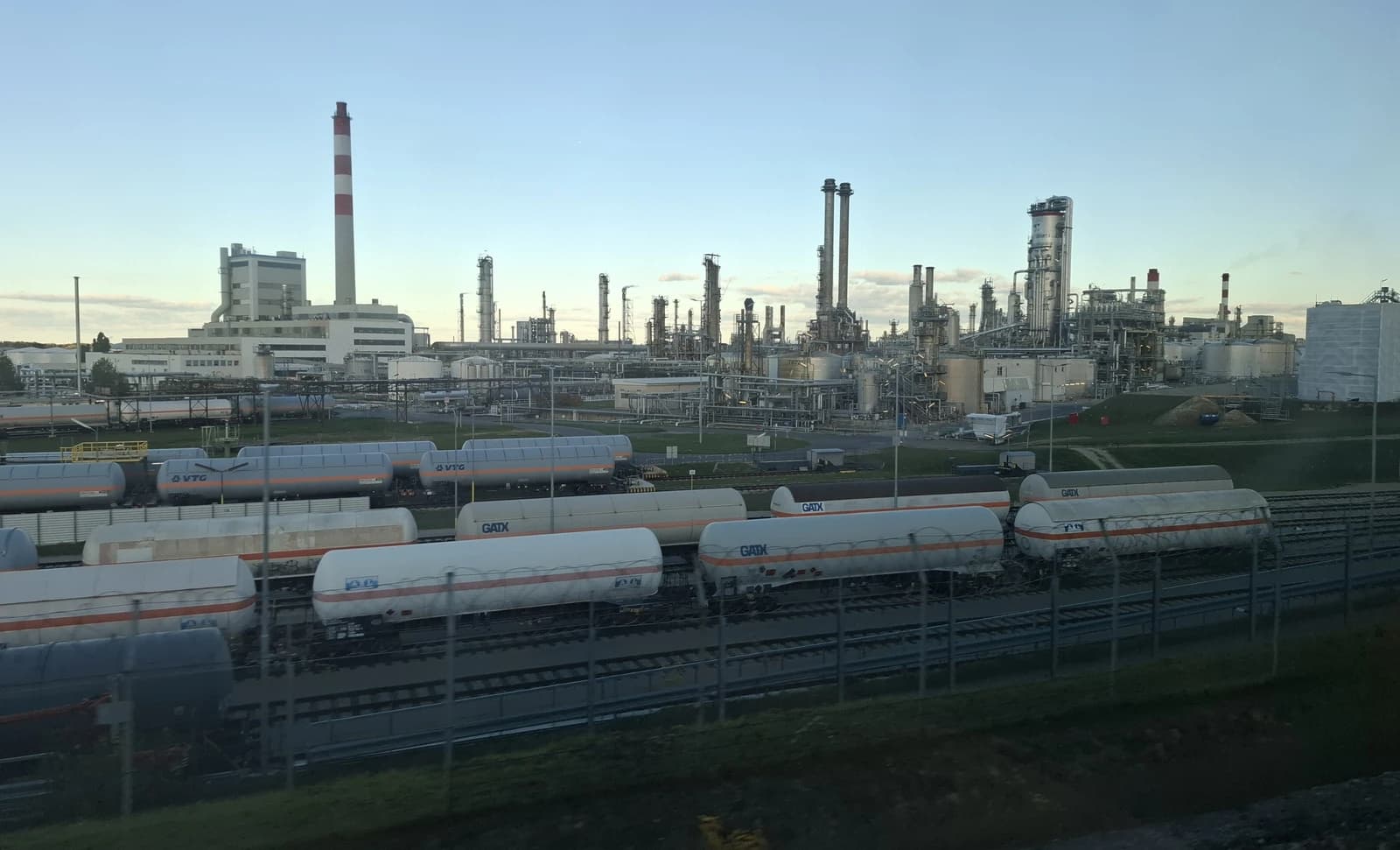
That matters economically because Europe is still heavily dependent on imported crude and refined products, leaving it exposed to any disruption in shipping lanes between the Middle East and the Mediterranean. The immediate message from the DIW economist is reassuring: there is no acute shortage across the continent. But the broader signal is less comfortable. When supply is secure only because producers are diverting cargoes, boosting Mediterranean availability and shippers are taking longer routes, the system is functioning through added cost rather than extra slack.
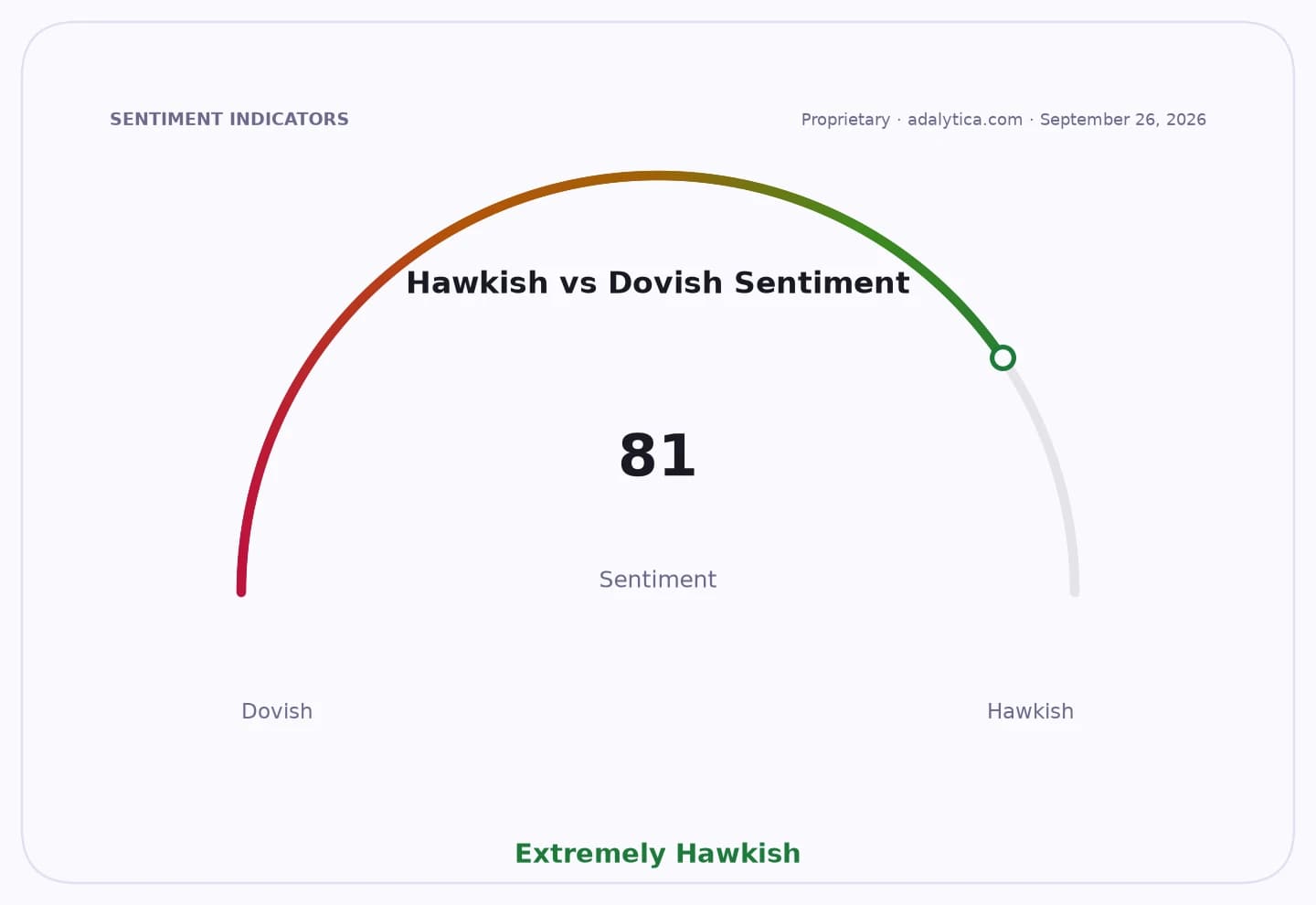
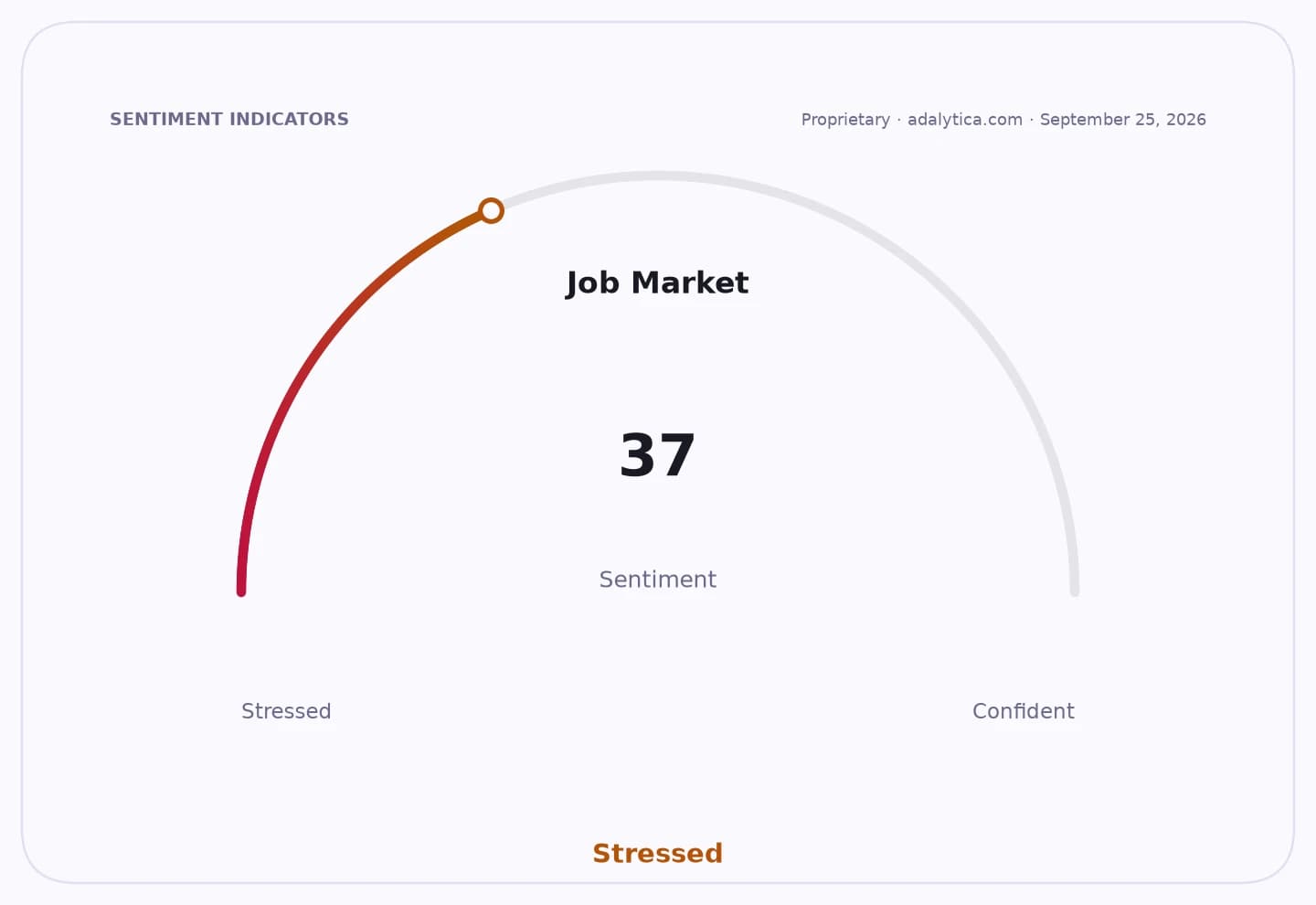
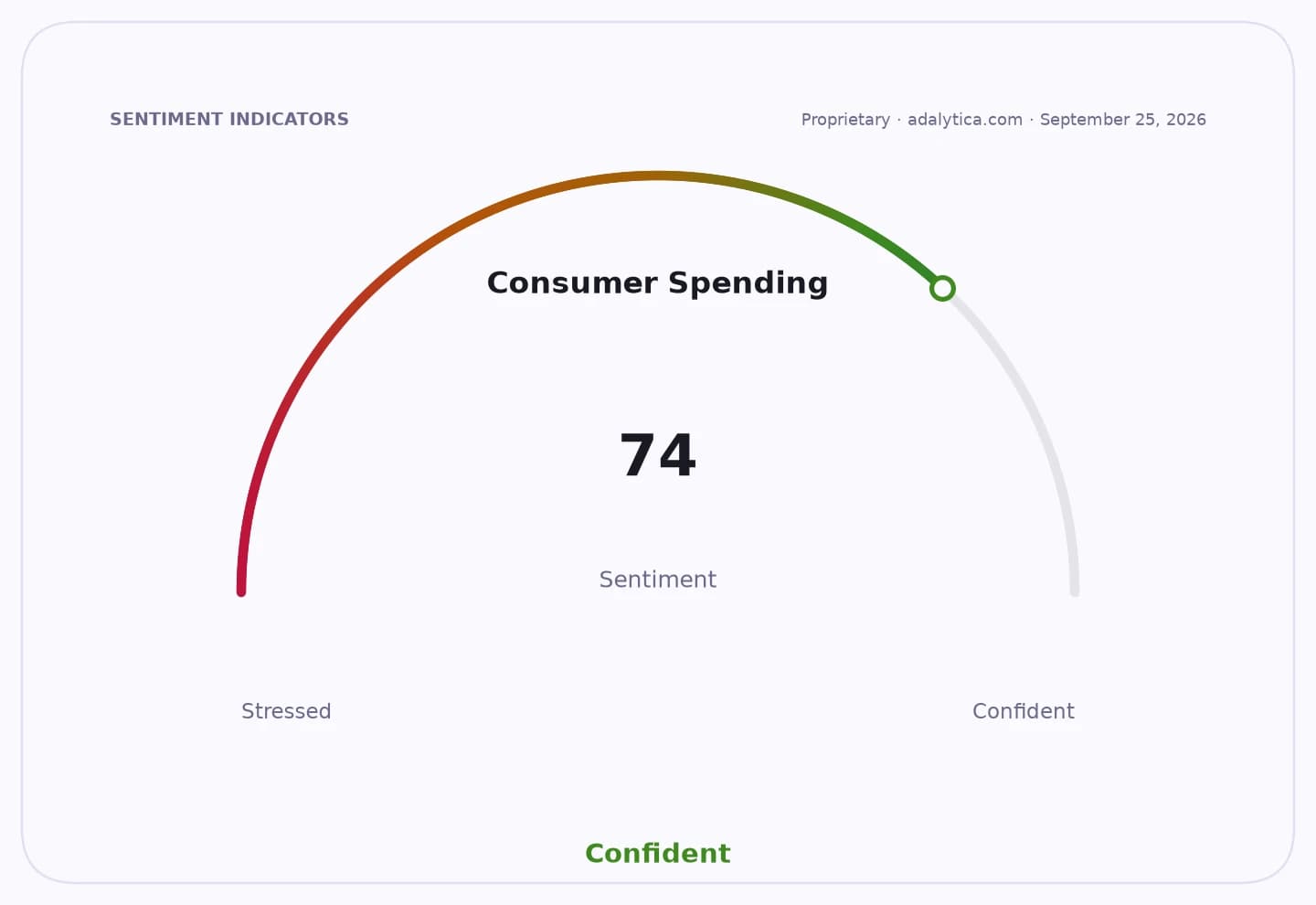
Sentiment IndicatorsⓘProprietary · adalytica.com · July 25, 2026
This is a snapshot — live sentiment, awareness and momentum for 130+ markets update continuously in the dashboard.Open AlphaPulse
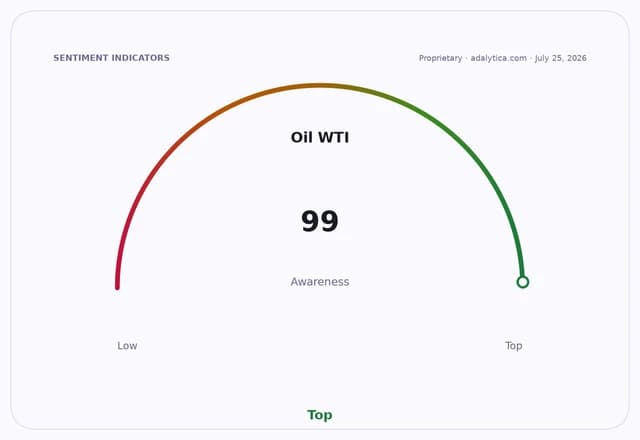
Brent’s move above $100 reflects that tension. The oil benchmark has now risen for a fourth straight week, driven by attacks on Saudi-linked tankers and the prospect of broader interference in transit through one of the world’s most important energy corridors. In Europe, that can quickly filter into higher import bills, wider refining margins and more volatile fuel prices. It also complicates the inflation picture just as policymakers were hoping energy costs would stay contained enough to support growth.
The market reaction has been clear. The Energy Select Sector SPDR fund, XLE, has climbed to around $59.62, near the top of its recent range, while Chevron has pushed to about $194.79, reflecting investors’ preference for upstream producers and integrated majors with exposure to higher crude prices. The technical backdrop underscores the strength of the move: XLE is trading well above its 50-day and 200-day moving averages, and its RSI reading is deep in overbought territory, a sign that momentum is strong but stretched. Chevron shows a similar pattern, with the shares trading near record highs and RSI above 90, suggesting the rally has been powerful enough to attract trend-following money even as it raises the risk of a pullback.
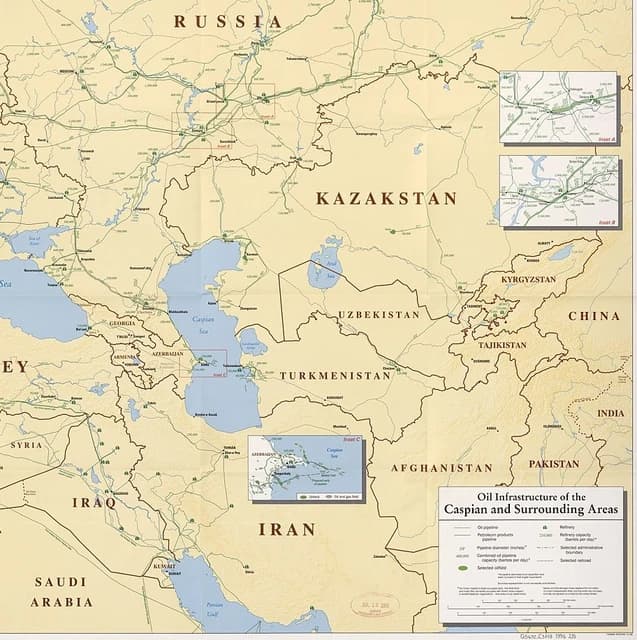
For energy consumers, the implications are less benign. Higher crude tends to pressure airlines, transport firms, chemicals producers and households already coping with sticky core inflation. That is especially relevant in Europe, where energy security has been a policy priority since the disruption caused by Russia’s invasion of Ukraine. The current episode is different in origin but similar in effect: supply has not broken down, yet the cost of keeping barrels flowing is rising.
The bull case is that producers can keep Europe supplied through alternative routes and spare capacity, limiting the physical shortage risk. The bear case is that this is the kind of shock that starts as a shipping problem and ends as a broader inflation and margin problem if the conflict persists or intensifies. For now, the key investor question is not whether Europe can get oil, but how expensive that security becomes if the Red Sea remains unstable.
| Entity | Gains | Losses |
|---|---|---|
| Oil producers | ▲Higher realized prices | ▼Demand destruction risk |
| European refiners | ▲Wider crack spreads | ▼Higher feedstock costs |
| Consumers/importers | ▲Near-term supply continuity | ▼Higher fuel and inflation costs |
| Energy stocks | ▲Momentum and cash flow lift | ▼Overbought pullback risk |