Yemen’s prime minister accused the Houthis of carrying out Iran’s agenda with attacks on commercial shipping, a charge that underscores how the Red Sea crisis has evolved from a regional security problem into a direct threat to global trade, freight costs and investor sentiment.
Red Sea disruption boosts shipping rates
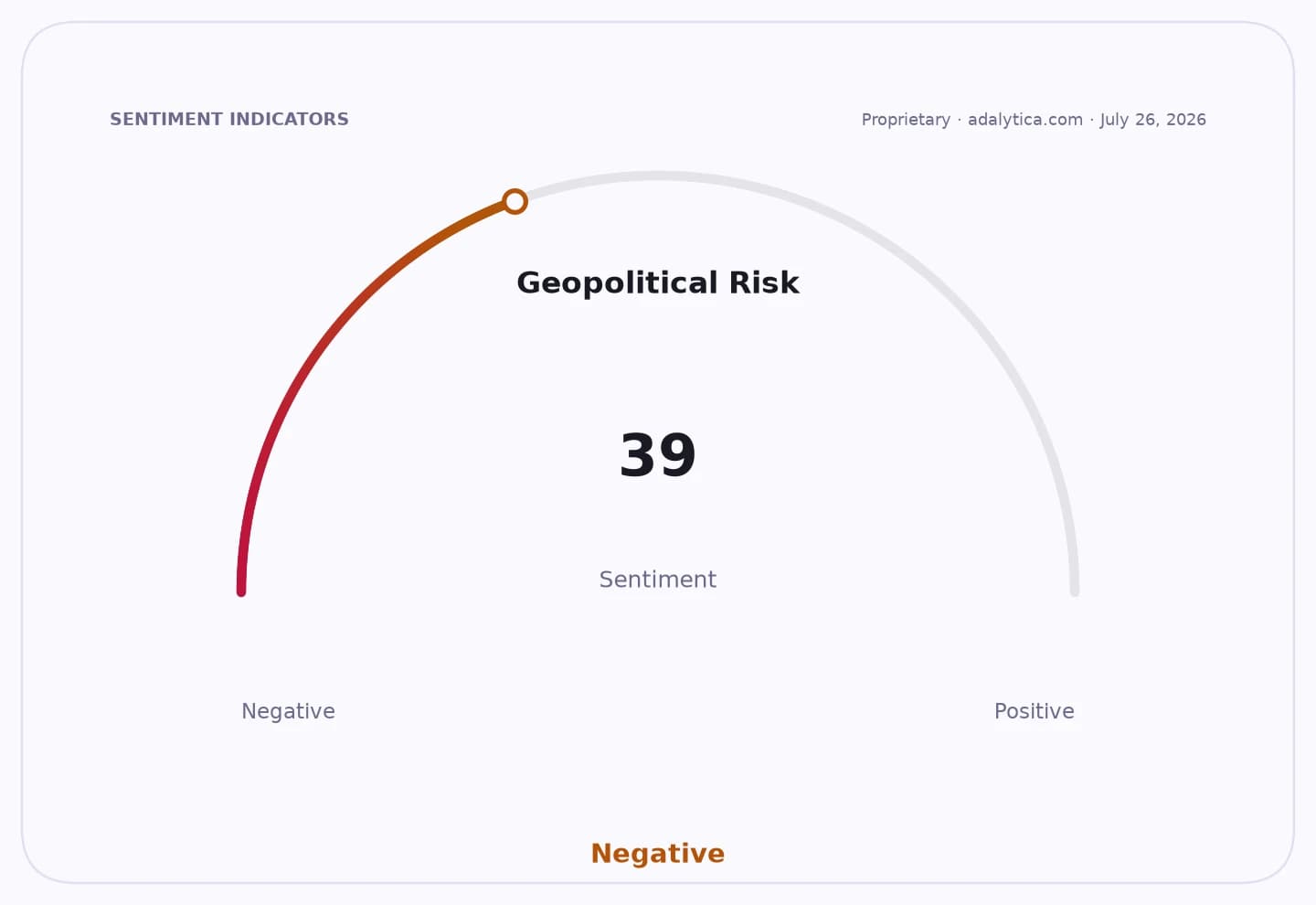
The immediate economic significance is that every new attack or blockade threat keeps one of the world’s most important maritime corridors under pressure. The Red Sea and the nearby Strait of Hormuz are critical chokepoints for energy, containers and dry bulk cargoes, and prolonged disruption forces rerouting around the Cape of Good Hope, lengthening voyages, tightening vessel supply and lifting insurance premiums. That ripples through shipping rates, delivery schedules and ultimately the cost base for importers, exporters and consumer-facing companies.
The condemnation from the International Maritime Organisation and the European Union’s warning over Houthi threats to impose a naval blockade show how seriously governments and shipping authorities view the risk. Their response suggests the problem is not isolated to one country’s waters but is being treated as a broader challenge to the rules-based movement of commerce. For markets, that matters because a sustained security premium can feed through into commodities, freight-sensitive industrials and energy logistics even when oil prices themselves are not yet surging.
For shipowners, the conflict can be a mixed blessing. Longer routes and higher war-risk charges can support freight earnings for operators with exposed spot or voyage-linked fleets, while charterers and cargo owners absorb the pain through higher transport costs and lower efficiency. That helps explain why shipping equities have often reacted sharply to Red Sea headlines: the same disruption that damages trade can improve pricing power for owners with the right vessel mix. But the benefit is fragile. If attacks intensify enough to force broader trade restrictions or trigger naval retaliation, the upside in freight can be overtaken by operational and geopolitical risk.
Navios Maritime Partners, which has been sensitive to changes in charter and voyage economics, has already shown how shipping earnings can swing with market conditions and route dynamics. Its shares rose to 79.10 on July 24 from 70.16 a month earlier, while the stock’s 50-day moving average climbed to 72.84, reflecting stronger momentum. JYD also posted a sharp rebound from 0.82 on July 22 to 0.93 on July 24, though such moves in a smaller name often signal heightened speculative trading as much as fundamentals.
The broader backdrop is deteriorating rather than stabilizing. Adalytica’s Global Stability Sentiment gauge has been neutral but improving on awareness, while its US dollar trade signals show extreme fear, a combination consistent with elevated geopolitical stress and unsettled cross-border trade expectations. For investors, that argues for caution on assets most exposed to shipping bottlenecks, while favoring companies with pricing power, route flexibility or direct benefit from longer-haul freight demand.
What to watch next is whether the rhetoric around Iran translates into more attacks, whether insurers widen war-risk coverage further, and whether naval protection can keep traffic moving without a deeper escalation. If security worsens, the economic damage will be felt first in shipping and energy logistics, but the second-order effects could reach inflation, trade flows and corporate margins far beyond the Red Sea.
| Entity | Gains | Losses |
|---|---|---|
| Shipowners with spot exposure | ▲Higher freight rates | ▼Greater operational risk |
| Cargo owners and importers | ▲Route flexibility if secured | ▼Higher shipping costs |
| Gulf and Red Sea traders | ▲Potential security response | ▼Disrupted trade lanes |
| Consumers and manufacturers | ▲None | ▼Higher transport and input costs |




