Real estate investment trusts are back in focus because the combination of still-elevated bond yields, improving operating trends in parts of commercial property and strong investor demand for income is keeping the sector relevant even as financing costs stay higher than they were for most of the past decade.
REITs Gain on Yields, Income Demand

That matters economically because REITs sit at the intersection of credit, property values and household wealth. When Treasury yields move, as the 10-year was trading around 4.56% to 4.58% in recent readings, the cost of capital for property owners shifts and so does the relative appeal of REIT dividends versus government bonds. At the same time, the Fed funds rate near 3.63% leaves borrowing conditions tight enough to pressure weaker landlords, but not so restrictive that capital formation has stopped. The result is a market that rewards REITs with durable cash flow and punishes those exposed to refinancing risk or structurally challenged assets.
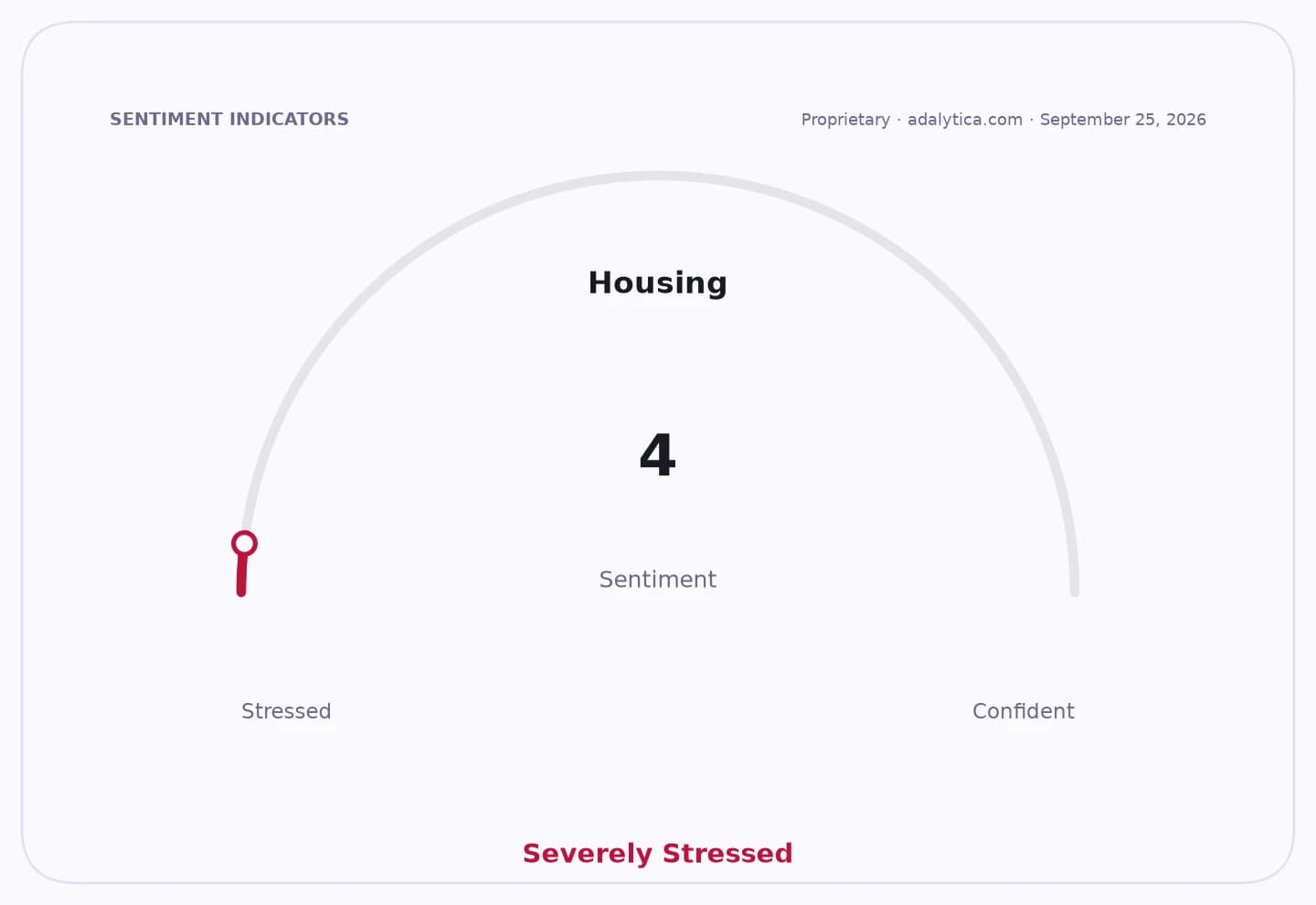
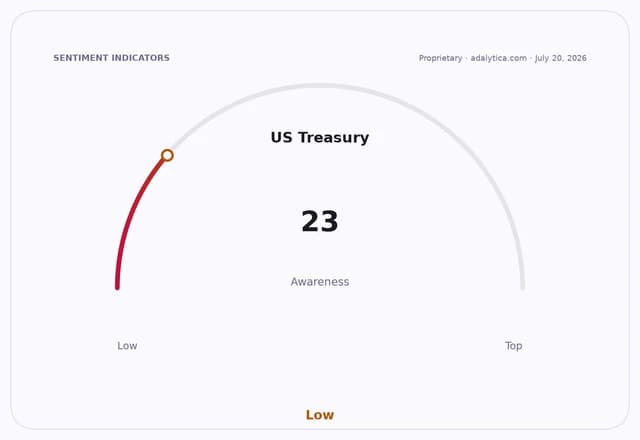
Sentiment IndicatorsⓘProprietary · adalytica.com · July 20, 2026
This is a snapshot — live sentiment, awareness and momentum for 130+ markets update continuously in the dashboard.Open AlphaPulse

Investors have responded by rotating selectively rather than uniformly abandoning the asset class. Vanguard Real Estate ETF, the VNQ, has climbed to about 100, above its 50-day and 200-day moving averages, while the broader iShares U.S. Real Estate ETF, IYR, has also pushed higher, signaling improving technical momentum. The mortgage REIT ETF REM has lagged the equity REIT gauges, reflecting the market’s preference for property owners with clearer rental income streams over vehicles that remain more directly exposed to funding spreads and rate volatility.
The distinction matters because REITs are not a monolith. The strongest pocket has been industrial and logistics real estate, where demand tied to reshoring, foreign direct investment and data-center buildout is supporting rents and occupancy. Commercial REIT sentiment data from Adalytica show awareness remaining elevated even as sentiment has cooled, a sign that investors are watching the sector closely but are still wary of the macro backdrop. That caution is understandable: higher rates compress valuations, and any slowdown in the economy could hit tenant demand, especially in office and more cyclical retail assets.
DGS10 vs FEDFUNDS — macro contextadalytica.com
Explore this data interactively — full history, time series and cross-market comparisons.Open AlphaPulse
Still, the sector’s dividend appeal remains a powerful draw. REITs are required to distribute most of their taxable income, which makes them a natural home for income-focused portfolios when cash yields are attractive but not obviously secure. That is why the bull case is gaining traction again: stabilized funding markets, resilient occupancy in the better segments and selective deal activity, such as hotel acquisitions and REIT issuance, suggest the industry can still grow even without a return to ultra-cheap money. The bear case is equally clear: if Treasury yields stay elevated or credit tightens again, refinancing costs could squeeze payout coverage and make current valuations harder to justify.
For investors, the key is to separate rate-sensitive income plays from balance-sheet risk. The REIT market is signaling that quality, property subtype and leverage matter more than the sector label itself. The next catalyst will likely be the path of rates and any evidence that rental growth can outpace financing costs. If that happens, REITs could regain some of the valuation premium lost in the post-pandemic rate shock. If not, the sector will remain a selective income trade rather than a broad rerating story.
| Entity | Gains | Losses |
|---|---|---|
| Equity REITs with strong cash flow | ▲Dividend demand | ▼Rate-sensitive valuations |
| Mortgage REITs | ▲Higher spread opportunities | ▼Funding-cost volatility |
| Industrial/data-center landlords | ▲Rent growth | ▼Slower cyclical demand |
| Bond buyers | ▲Yield competition | ▼Income-seeking capital flows |