Paying rent with a credit card is becoming a more expensive way to manage cash flow, and the cost can rise quickly if borrowers treat it like free financing rather than a short-term bridge. With U.S. policy rates still around 3.63% and the 10-year Treasury near 4.7%, the backdrop remains one of elevated borrowing costs that keep card APRs and financing fees high, even as consumers look for ways to smooth monthly housing payments.
Rent Payments by Credit Card Raise Costs

The key issue is not just the interest rate on the card. Rent paid by credit card usually comes with processing fees, and those fees often compound the cost more than the headline annual percentage rate. If the balance is not paid in full, consumers can end up paying interest on top of a fee-heavy transaction, turning a convenience tool into one of the most expensive forms of household borrowing.
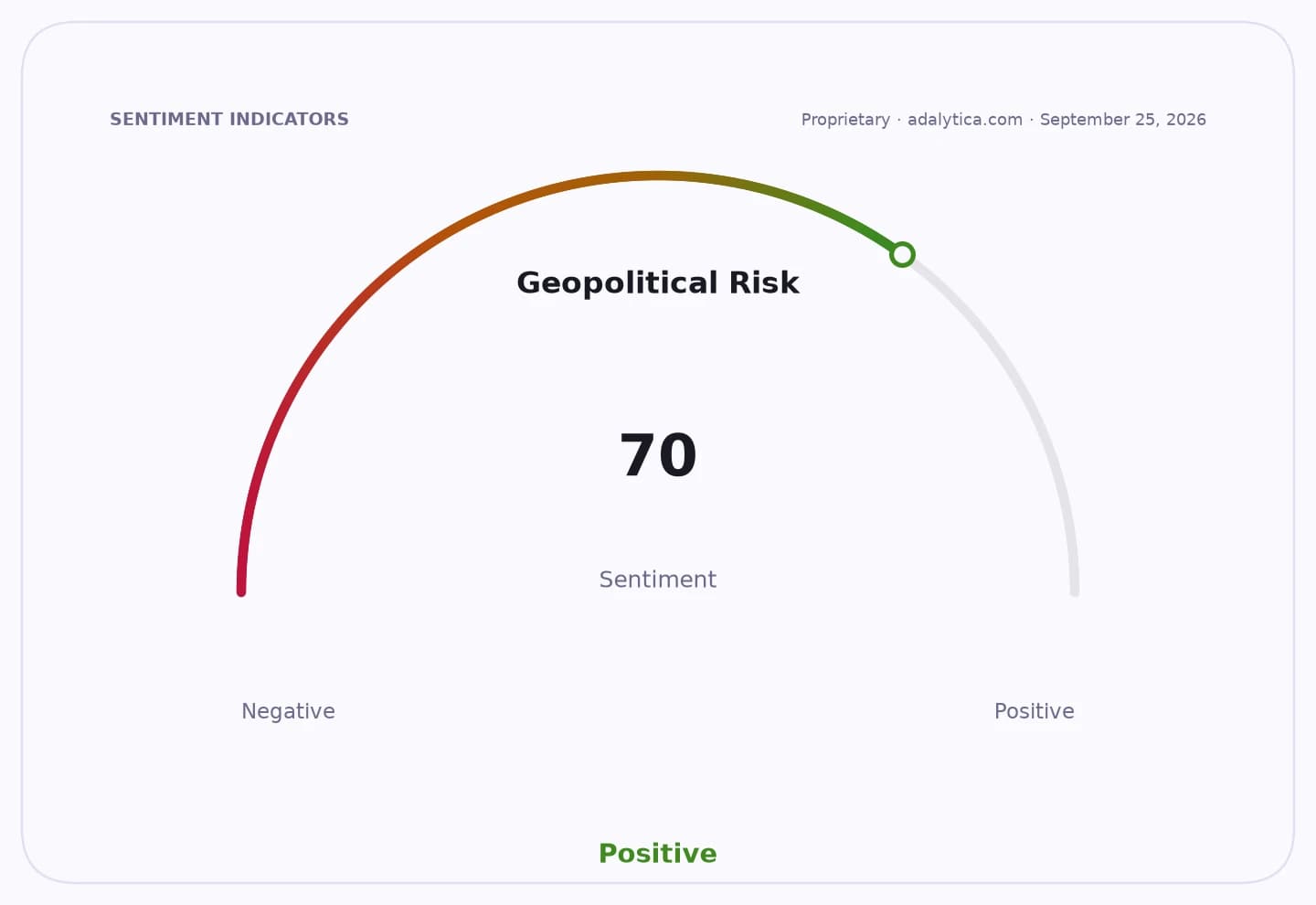
Sentiment IndicatorsⓘProprietary · adalytica.com · August 14, 2026
This is a snapshot — live sentiment, awareness and momentum for 130+ markets update continuously in the dashboard.Open AlphaPulse
That matters economically because rent is one of the largest fixed monthly expenses for households. When renters push housing costs onto revolving credit, they are effectively converting a basic necessity into unsecured debt. In a high-rate environment, that can weaken consumer balance sheets, raise delinquency risk and leave less room for discretionary spending. For lenders, it can increase exposure to balance revolvers at a time when funding costs remain above pre-pandemic norms and credit quality needs close watching.
The broader market context is consistent with that strain. Capital One shares have rebounded to about $223.83 from a February low near $189.19, while American Express is trading around $343.65 after a spring selloff. Both have recovered alongside the wider equity market, but their latest filings still point to a consumer environment in which payment behavior, fee sensitivity and macro conditions remain central variables. AmEx has flagged that card members’ ability and desire to pay fees can soften with macro pressure, while Capital One said it continues to accrue interest and fees on domestic credit card loans until charge-off.
That is why the most dangerous mistake for renters is assuming card-based rent payments are harmless if they clear the account later. Missing the payoff window, carrying a balance, or stacking multiple months of rent onto revolving credit can turn a temporary liquidity fix into an expensive debt spiral. The higher the card rate and the longer the balance remains outstanding, the more the economics deteriorate.
For investors, the implication is twofold. First, companies tied to consumer credit may benefit from higher spend volumes if card-funded rent remains a niche workaround. Second, the same behavior can eventually pressure delinquencies and net charge-offs if households use credit cards to bridge persistent affordability gaps. That makes the rent-payment trend less a sign of healthy demand than a warning that cost-of-living pressure is still forcing consumers to borrow for basics.
What to watch next is whether elevated borrowing costs, tighter regulatory scrutiny and rising household debt service eventually curb this behavior. If rates stay restrictive, the cheapest option for renters will remain simple: avoid turning rent into revolving debt unless the card balance can be paid in full immediately.
| Entity | Gains | Losses |
|---|---|---|
| Renters paying in full | ▲Short-term flexibility | ▼Processing fees |
| Renters carrying balances | ▲Immediate cash flow relief | ▼High APR interest |
| Card issuers | ▲Fee and interest income | ▼Higher delinquency risk |
| Households overall | ▲Payment optionality | ▼Weaker monthly budgets |