Republicans are openly reassessing Donald Trump after a bruising election night exposed how much he can still dominate the party — and how much that dominance may now be costing it.
Republicans Reassess Trump After Election Setback

That matters because the fallout is no longer just political theater. A party split over its most powerful figure is a party with a weaker legislative grip, a less predictable policy agenda and a harder path to unified control of Washington. For investors, that raises the odds of policy drift, bigger swings in tax, spending and regulatory expectations, and a slower route to any coherent Republican governing strategy.
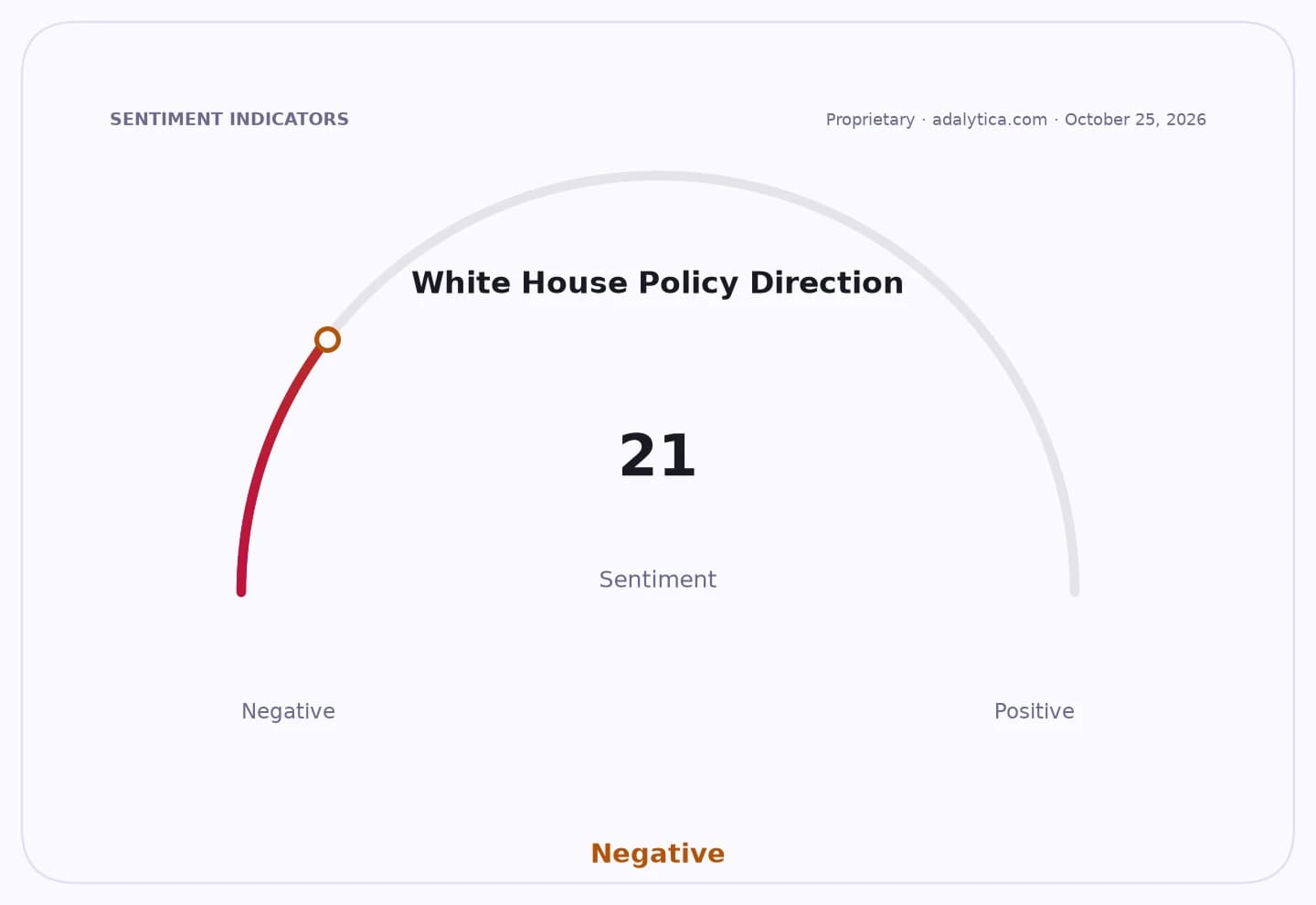
Sentiment Indicators
The immediate story is the scale of the setback. Democrats are leading in the races that matter most, putting the Republican majority in Congress at risk and forcing a postmortem that many in the party had hoped to avoid. House control looks vulnerable and several Senate contests remain tight, with battlegrounds such as Texas and Michigan underscoring how far the GOP has slipped from the confidence it projected heading into the vote.
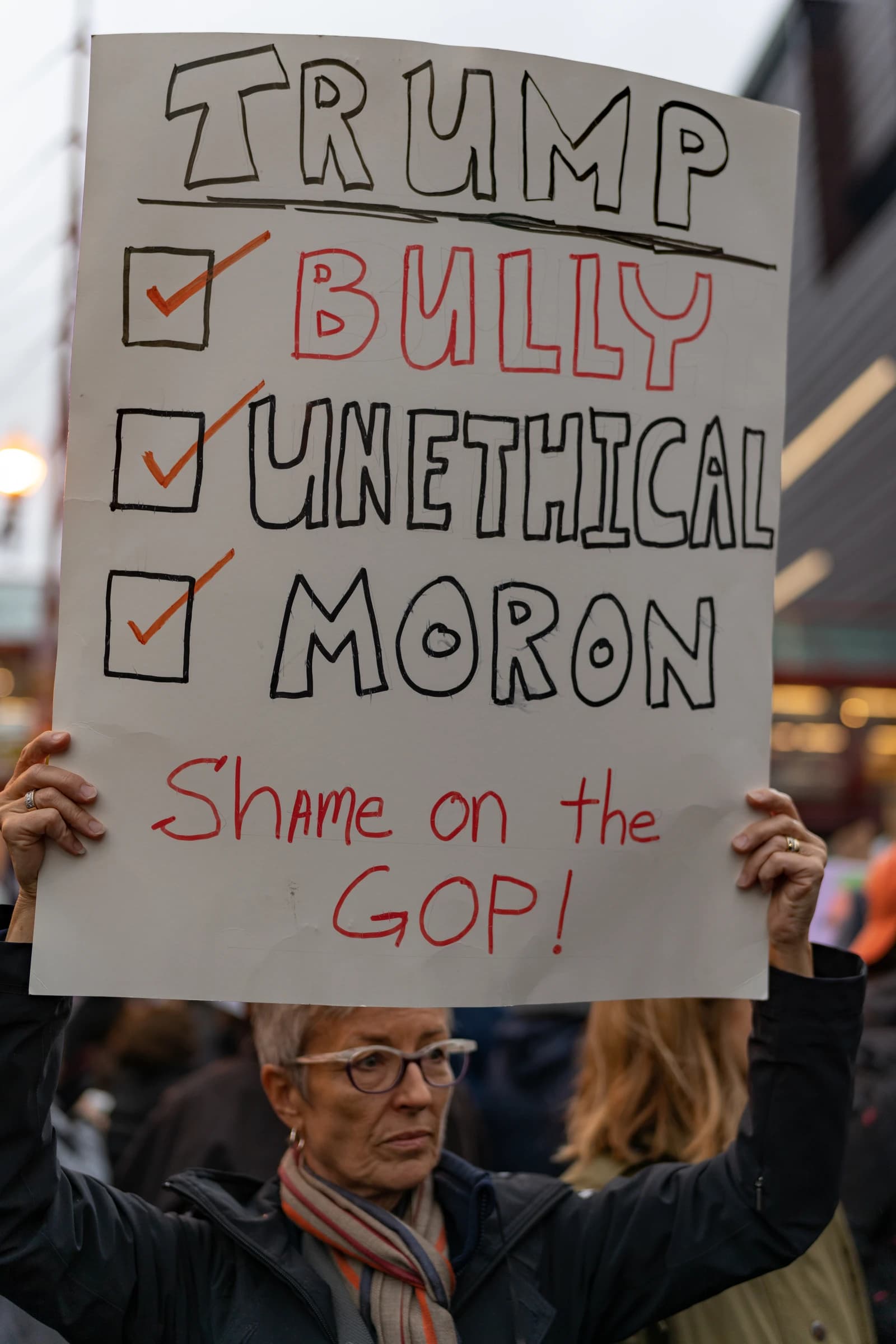
Trump’s insistence that his involvement would help Republicans is now being tested against the numbers. Instead of a rallying effect, the election appears to have intensified doubts inside the party about whether his brand still expands the coalition or simply energizes the base while alienating swing voters. That is the key economic and market takeaway: a divided Republican Party is less likely to produce the kind of clean, pro-growth policy package investors often price in when betting on a GOP sweep.
Presidential Approval — 30-day sentimentadalytica.com
Explore this data interactively — full history, time series and cross-market comparisons.
The policy implications are broad. If Republicans lose ground, the odds rise of a constrained Congress, sharper procedural battles and a heavier focus on investigations and messaging rather than governing. If they manage to hold on, the margin may still be too thin to guarantee meaningful action on taxes, spending or deregulation. Either way, the election has made one thing clear: investors should be wary of assuming political gridlock is about to give way to a straightforward Republican policy boom.
For markets, the more important point is uncertainty. Equity investors, rate traders and sector allocators all care less about party slogans than about the probability of follow-through on fiscal policy, energy permitting, defense spending, industrial incentives and financial regulation. A GOP that is turning on Trump after a wipeout is a GOP that may struggle to convert political power into market-friendly execution.
The near-term read-through is that Washington risk is rising while conviction on the Republican agenda is falling. Until the party resolves whether Trump is an asset or a liability, the market should price a messier path for fiscal policy, a choppier tone on regulation and a wider gap between campaign rhetoric and legislative reality.
| Entity | Gains | Losses |
|---|---|---|
| Democrats | ▲Higher odds of House/Senate control | ▼None from the result |
| Republicans | ▲Base loyalty in safe seats | ▼Congressional majority, party unity |
| Trump | ▲Media attention, base influence | ▼Credibility with GOP moderates |
| Markets | ▲Clarity on policy risk if control flips | ▼Certainty on tax, spending and regulation |