Germany is pushing to expand drone technology cooperation with Eastern Europe as suspected Russian-linked incursions sharpen pressure on NATO governments to strengthen air defenses, a shift that could channel more procurement toward European defense contractors and accelerate spending on unmanned systems.
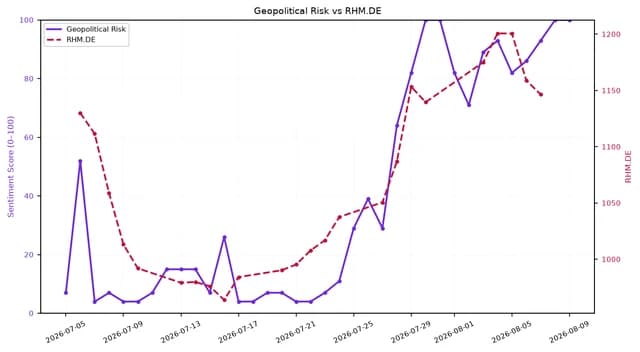
Rheinmetall at 1,146.4 euros as Germany expands drone cooperation
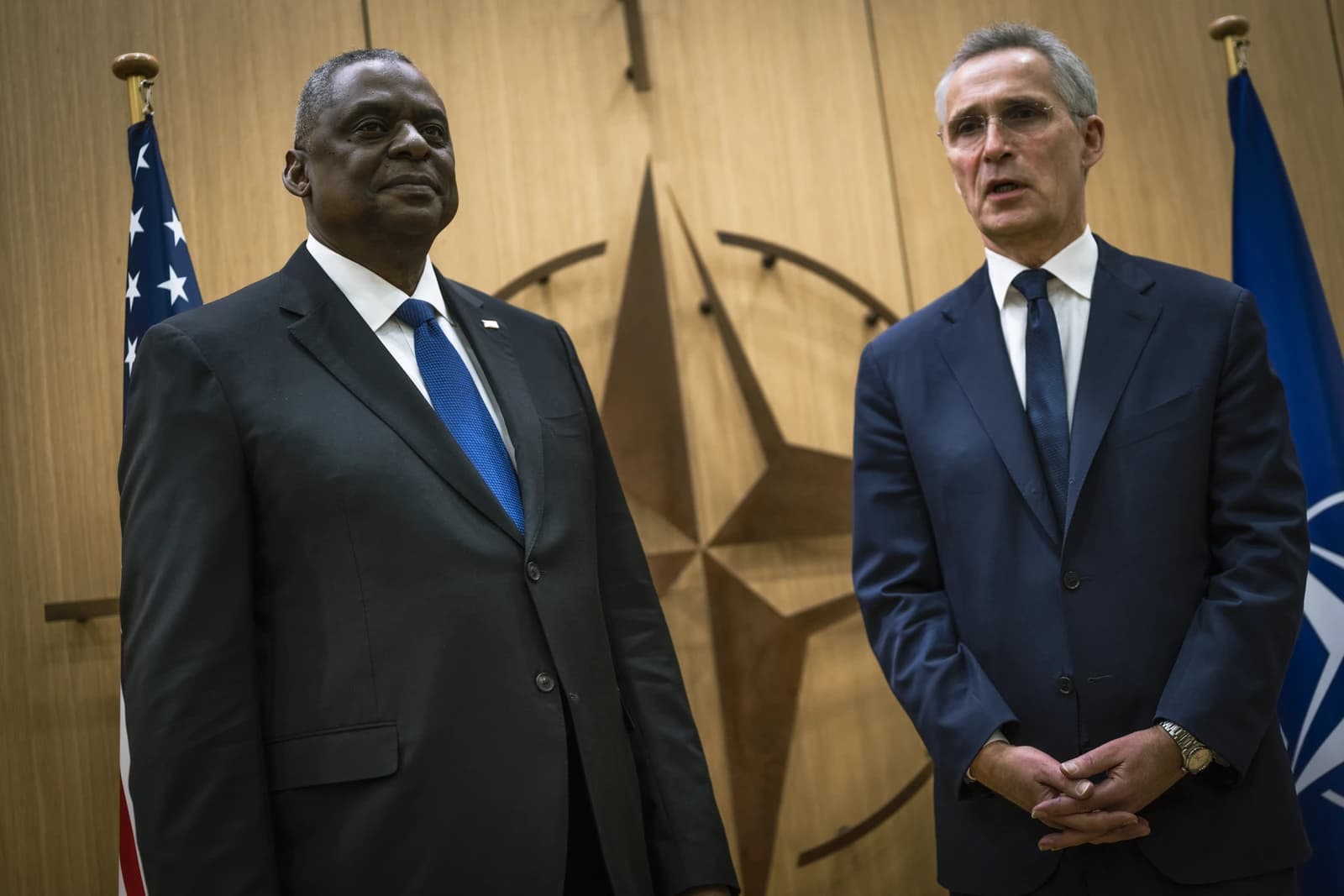
The move matters economically because drone warfare is becoming a budget priority, not a niche capability. European officials and defense experts say existing counter-UAV networks are uneven and underdeveloped, leaving governments to spend more on surveillance, jamming, interceptors and battlefield drones after a rise in hybrid threats tied to Russia.
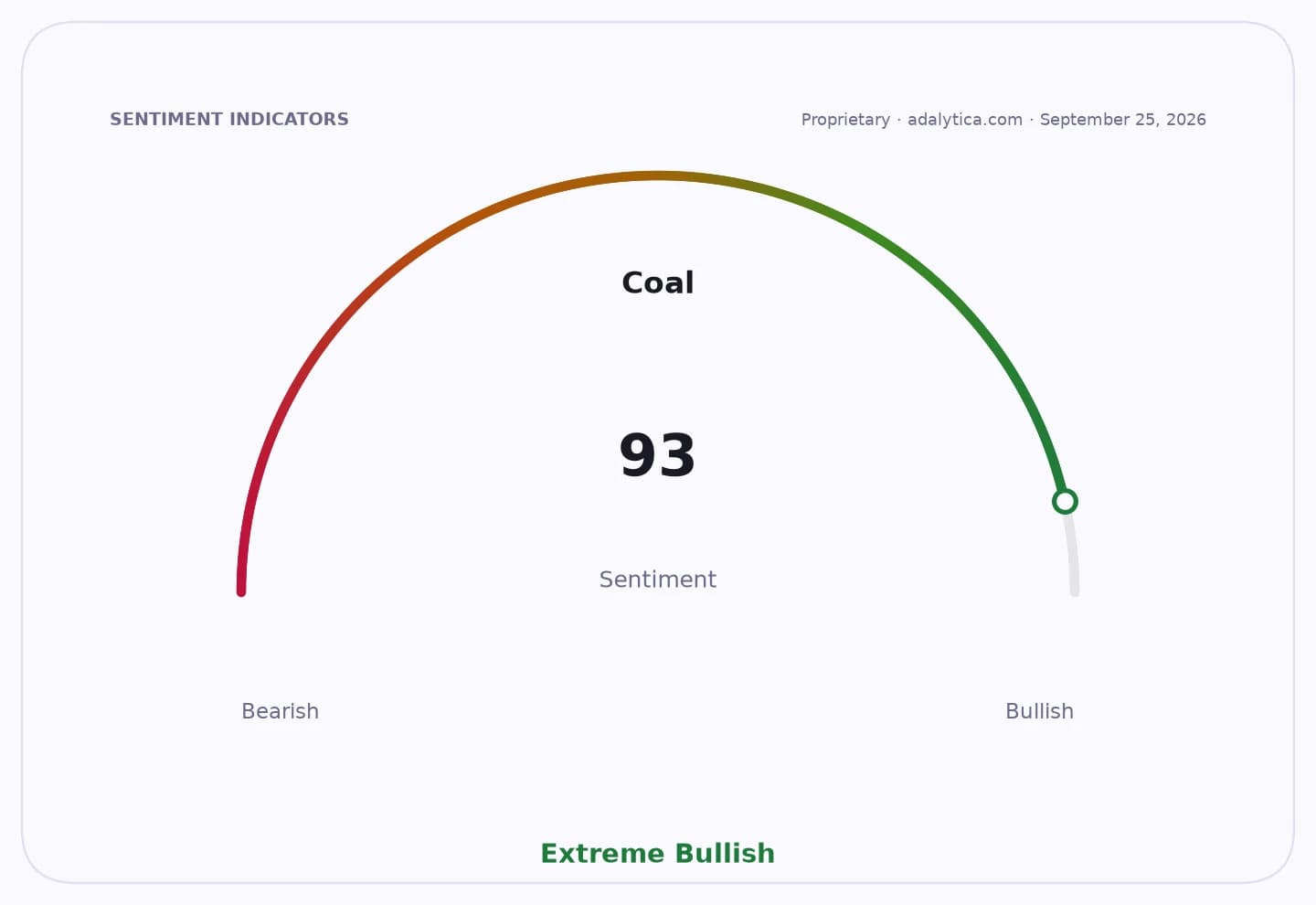
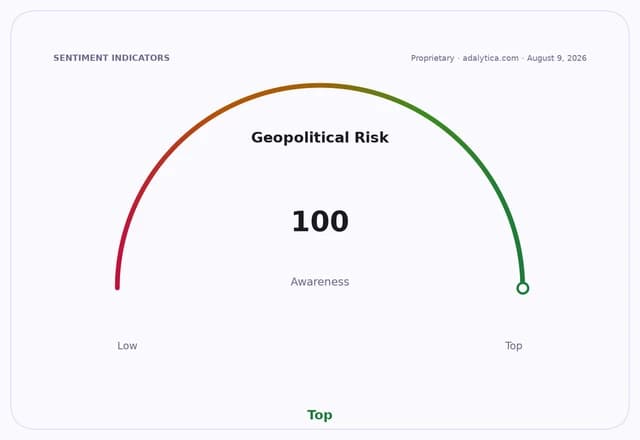
Sentiment IndicatorsⓘProprietary · adalytica.com · August 9, 2026
This is a snapshot — live sentiment, awareness and momentum for 130+ markets update continuously in the dashboard.Open AlphaPulse
For investors, that keeps the trade alive in defense names with exposure to air defense, sensors and unmanned platforms. Rheinmetall, one of Germany’s key military suppliers, has remained volatile but still far above its long-term average: the stock last traded at 1,146.4 euros, well above its 50-day moving average of 1,102.76 euros but below the 200-day average of 1,448.23 euros, while its RSI reading at 77.2 suggests the recent rebound is stretched.
The broader backdrop is one of worsening geopolitical risk appetite. Adalytica’s Global Stability Sentiment gauge is at 100, labeled “Extreme Greed,” after a 93-point gain over 30 days, underscoring how quickly investors are pricing in a more destabilized security environment even as the market remains focused on who wins the next wave of European defense spending.
That favors suppliers of drones, counter-drone electronics and air-defense systems, while raising the risk of delays and cost inflation for governments that must now coordinate procurement across NATO’s eastern flank. The immediate catalyst is whether Berlin turns the current alarm into joint purchasing and deployment plans with regional allies, which would support order books across the sector.
| Entity | Gains | Losses |
|---|---|---|
| German defense contractors | ▲Bigger UAV and counter-drone orders | ▼Capacity strain, delivery pressure |
| Eastern European NATO states | ▲Faster security upgrades | ▼Higher defense spending burden |
| Russia-linked disruptors | ▲— | ▼More surveillance and interception |
| Rheinmetall and peers | ▲Demand for air defense systems | ▼Valuation risk if rally overextends |