Rising rice prices are no longer just a food inflation story; they are pushing farmers, traders and governments into a rapid reallocation of acreage that is leaving a shortage of feed rice and forcing a deeper rethink of rice policy across parts of Asia.
Rice Prices Reshape Asia's Agricultural Policy
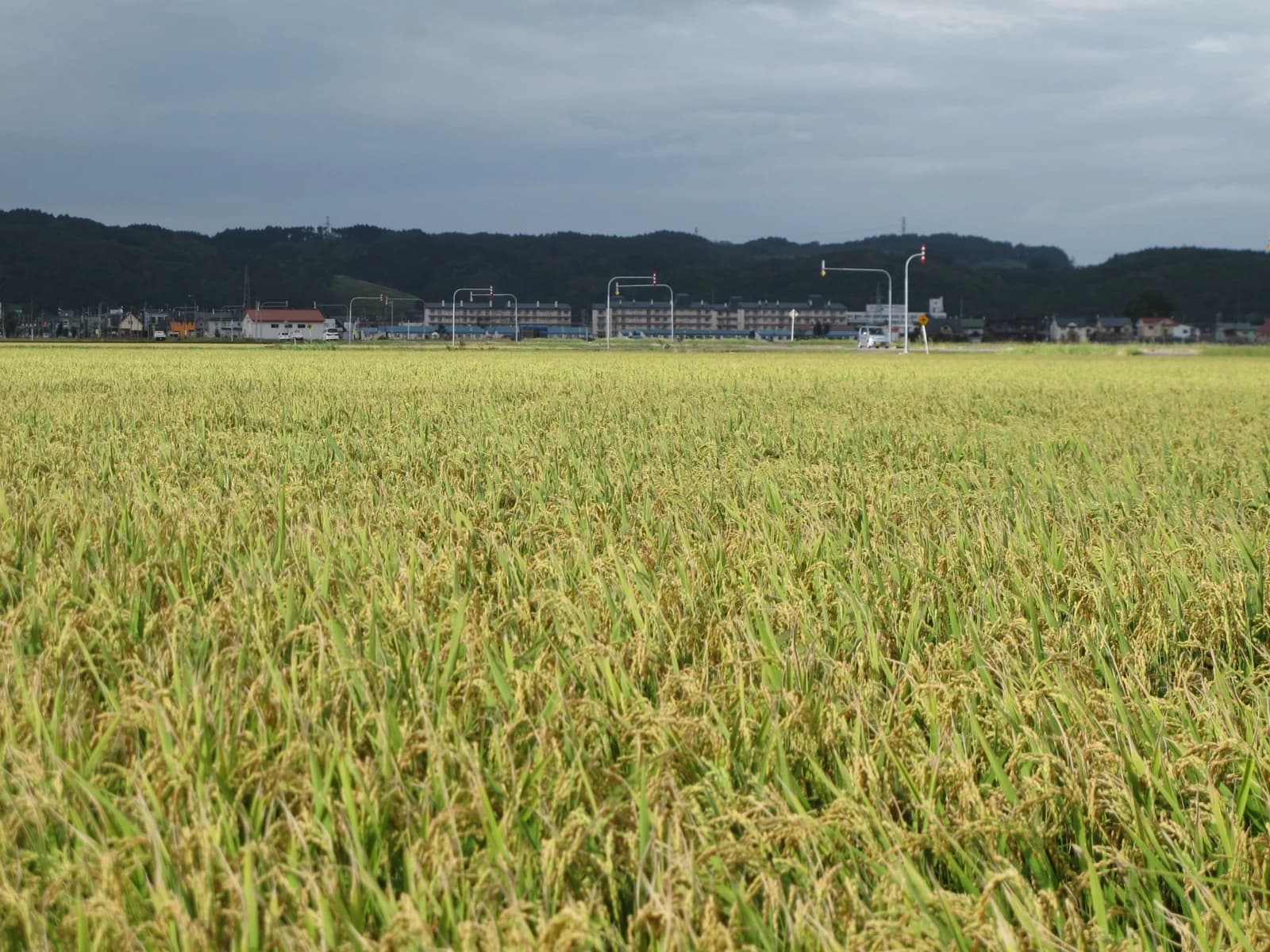
That matters because rice is the region’s political grain. When prices rise enough to change what farmers plant, the impact goes well beyond the farm gate. It can tighten supplies of lower-grade rice used for feed, lift costs for livestock producers, and keep pressure on consumer prices just as policymakers are trying to stabilize food inflation. In markets where rice is a daily staple, that kind of squeeze quickly becomes an economic and social issue.
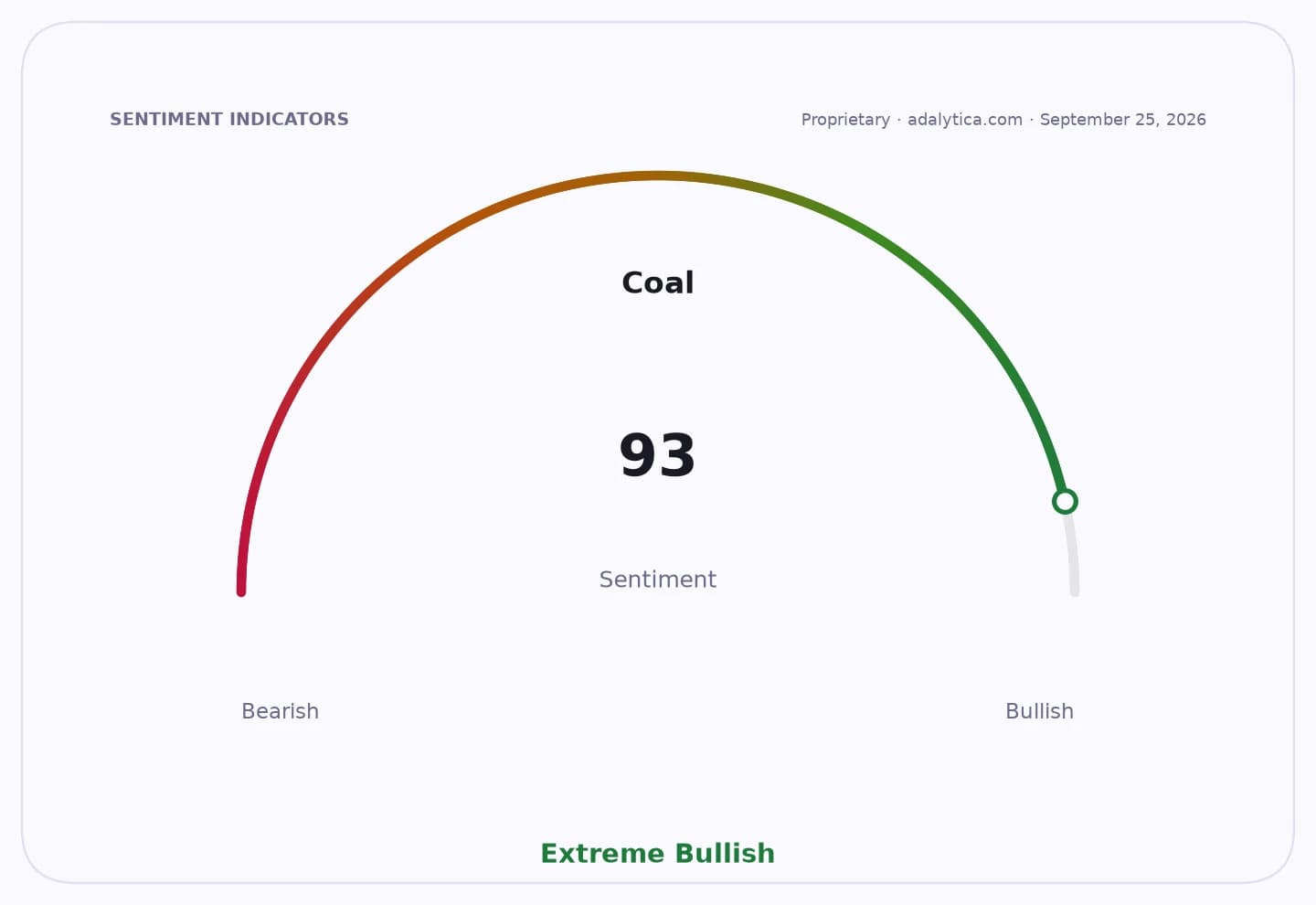
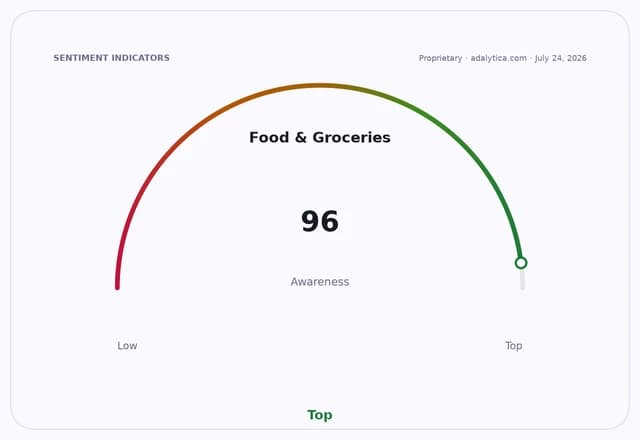
Sentiment IndicatorsⓘProprietary · adalytica.com · July 24, 2026
This is a snapshot — live sentiment, awareness and momentum for 130+ markets update continuously in the dashboard.Open AlphaPulse
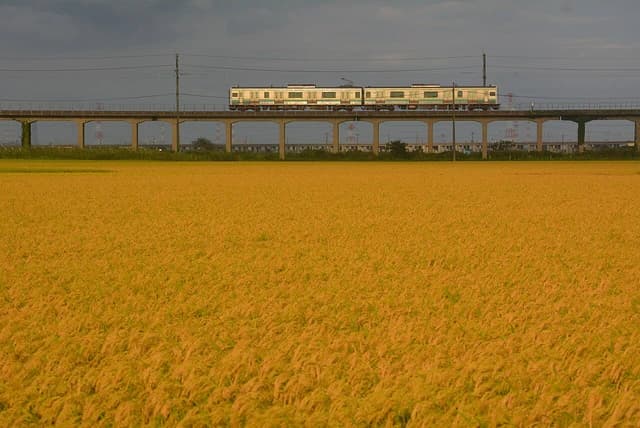
The biggest shift is on the supply side. Farmers have been moving into staple rice production to capture higher prices, but that has come at the expense of feed rice, creating a shortage that can ripple through the broader food chain. When feed rice becomes scarce, livestock operators face higher input costs, which can eventually show up in meat and dairy prices. That is why the issue is not confined to agriculture: it can influence household budgets, inflation readings and policy decisions.
The policy response is now part of the story. Calls for a fundamental review of rice policy suggest governments are being pressed to address more than a temporary supply gap. Officials may have to reconsider price supports, stockpiling rules, procurement programs and import management if they want to prevent shortages from becoming structural. For investors, that kind of policy reset can change the economics of agribusiness, food distribution and even consumer staples companies that depend on stable grain costs.
Trading data in KRSP and KRSP-UN suggests the market is watching, even if prices have been relatively rangebound lately. KRSP closed at 10.46 on July 24, essentially flat from the prior day, while KRSP-UN held at 10.80. Technical indicators such as the 50-day moving average and RSI readings point to a market that is not in panic mode, but the underlying fundamental message is more serious than the quiet price action implies. Investors often miss these moments: the real story is not the day-to-day chart, but the slow shift in supply incentives that can reshape earnings over several seasons.
Adalytica’s Food and Grocery Spending Sentiment remains neutral, but its awareness gauge is showing extreme greed, which fits a market where investors and consumers are highly attuned to food prices even if sentiment is not yet collapsing. At the same time, Adalytica’s China Economic Growth Target Sentiment has surged to extreme greed, a reminder that food policy and broader growth ambitions are intertwined in the region. Governments want growth, but they also need food stability to keep households and inflation under control.
For long-term investors, the lesson is straightforward: food policy changes rarely stay local. If rice prices keep forcing farmers away from feed rice and into staple production, the winners are likely to be rice producers, storage operators and suppliers with pricing power. The losers are feed users, livestock producers and consumers if inflation broadens. This is the kind of slow-moving, policy-driven shift that can reward patient investors for years, not weeks.
The best move is to keep it on your watchlist, not as a trade, but as a structural theme. When governments are compelled to review rice policy, the next chapter often brings new winners, new constraints and plenty of volatility — exactly the sort of setup that long-term investors can use to their advantage.
| Entity | Gains | Losses |
|---|---|---|
| Staple rice farmers | ▲Higher selling prices | ▼Less acreage flexibility |
| Feed rice users | ▲— | ▼Tighter supply, higher costs |
| Livestock producers | ▲— | ▼Rising input expenses |
| Governments | ▲Policy reset opportunity | ▼Inflation and food-security pressure |