Rio Tinto just did something investors care about far more than a one-quarter headline: it proved its Pilbara iron ore system can still deliver growth at scale, and it kept full-year guidance intact. In a commodity business where consistency drives cash flow, that is a meaningful signal that the miner’s core earnings engine remains resilient even as it pours capital into copper for the next decade.
Rio Tinto’s Pilbara Output Signals Cash Flow Resilience

That matters because iron ore is still the company’s biggest profit driver, funding dividends, buybacks and the energy-transition bets that Rio Tinto wants to compound over time. The highest first-half output from the Pilbara since 2018 suggests the company is squeezing more from existing assets, which tends to support margins without requiring a big jump in costs. For long-term investors, that is the kind of operational improvement that can quietly lift per-share value even when the broader market is choppy.
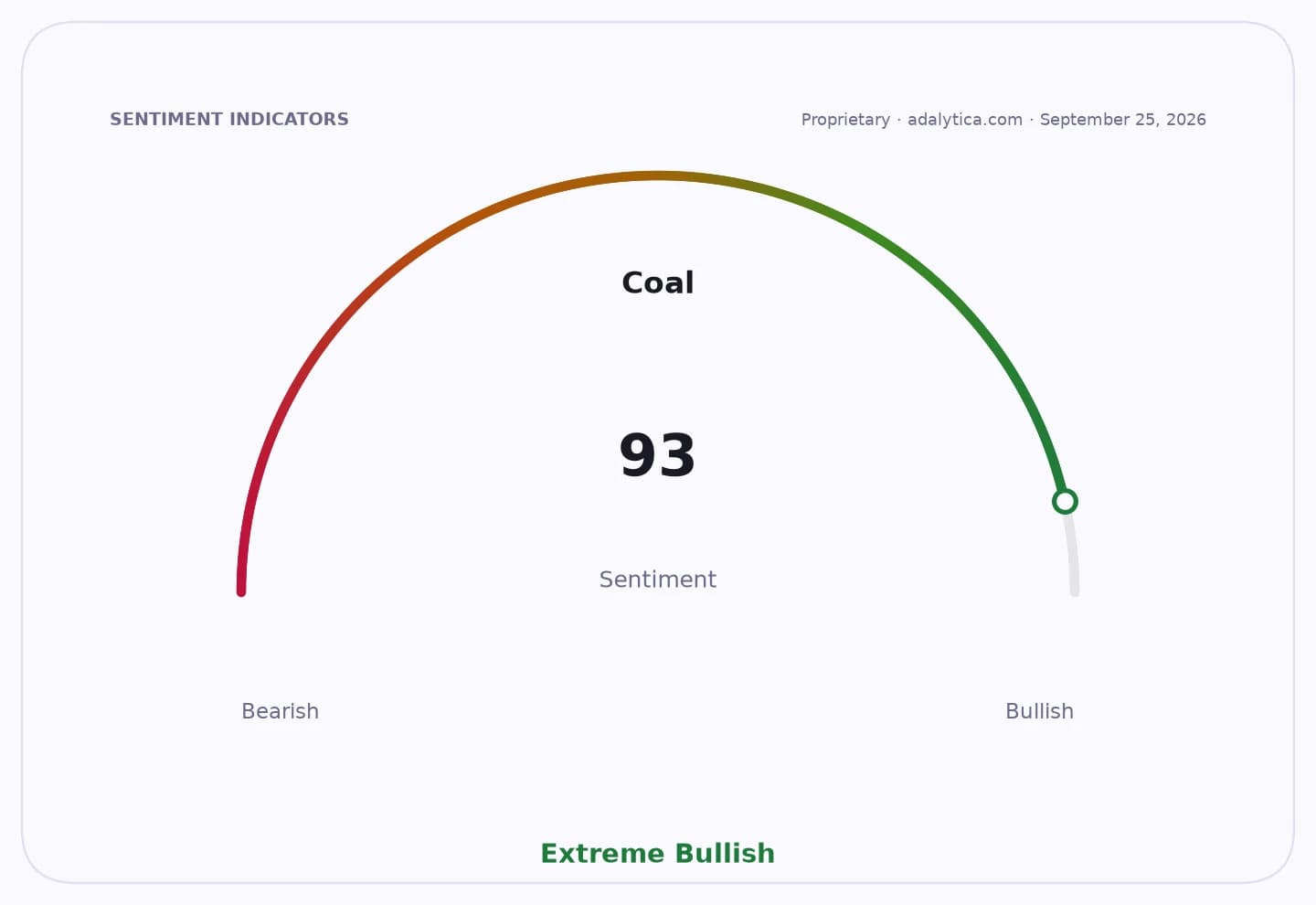
Sentiment IndicatorsⓘProprietary · adalytica.com · July 15, 2026
This is a snapshot — live sentiment, awareness and momentum for 130+ markets update continuously in the dashboard.Open AlphaPulse

The broader backdrop is also doing Rio Tinto a favor. West Texas Intermediate crude near the high-$60s and a 10-year Treasury yield around 4.6% point to a market that is still wrestling with growth and inflation uncertainty, while sentiment on China’s growth target has deteriorated sharply. China remains the key swing factor for iron ore demand, so Rio’s decision to reaffirm guidance suggests management believes its production pipeline can offset at least some macro softness.
There is still risk. Iron ore prices can fall fast if Chinese steel demand weakens, and any disruption at rival BHP’s Port Hedland port underscores how concentrated Western Australia’s supply chain remains. Labor unrest there could tighten seaborne supply in the near term, helping iron ore prices and the miners that can ship reliably — but it also reminds investors how quickly operational hiccups can reshape the market.
That is why this update is more than a routine production print. Rio Tinto is telling the market that its legacy iron ore franchise is still capable of throwing off cash while it pivots toward copper, a metal with a stronger long-term growth narrative. For investors, the message is simple: if you want exposure to a durable cash generator with optionality on the global electrification theme, Rio Tinto remains one to watch closely — and, for patient shareholders, hold for the long term.
| Entity | Gains | Losses |
|---|---|---|
| Rio Tinto | ▲Higher output, steady guidance | ▼Commodity-price downside |
| Long-term shareholders | ▲Stronger cash generation | ▼Near-term volatility |
| BHP | ▲Potential price support from supply disruption | ▼Port Hedland strike risk |
| Iron ore buyers | ▲— | ▼Tighter supply, firmer prices |