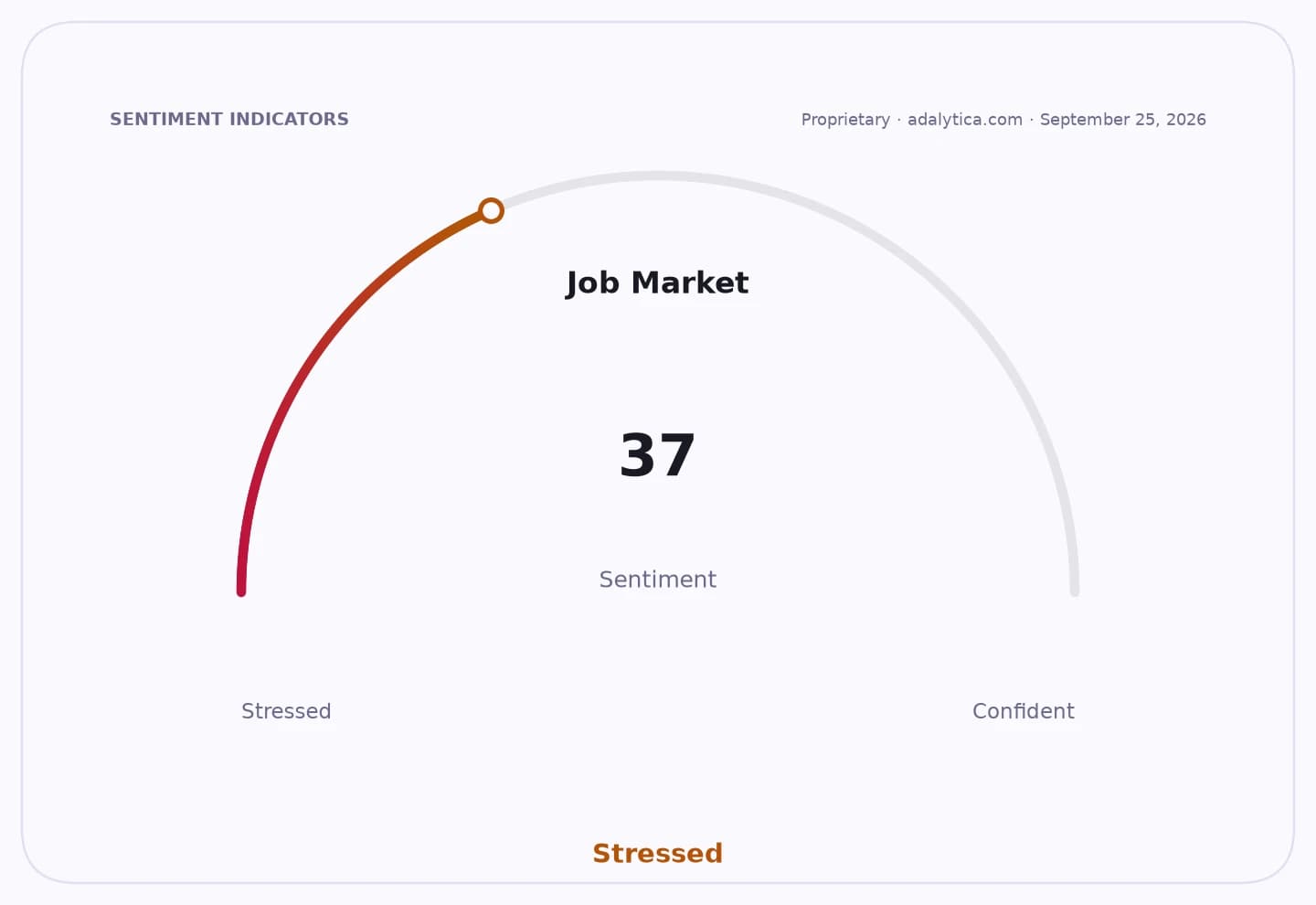
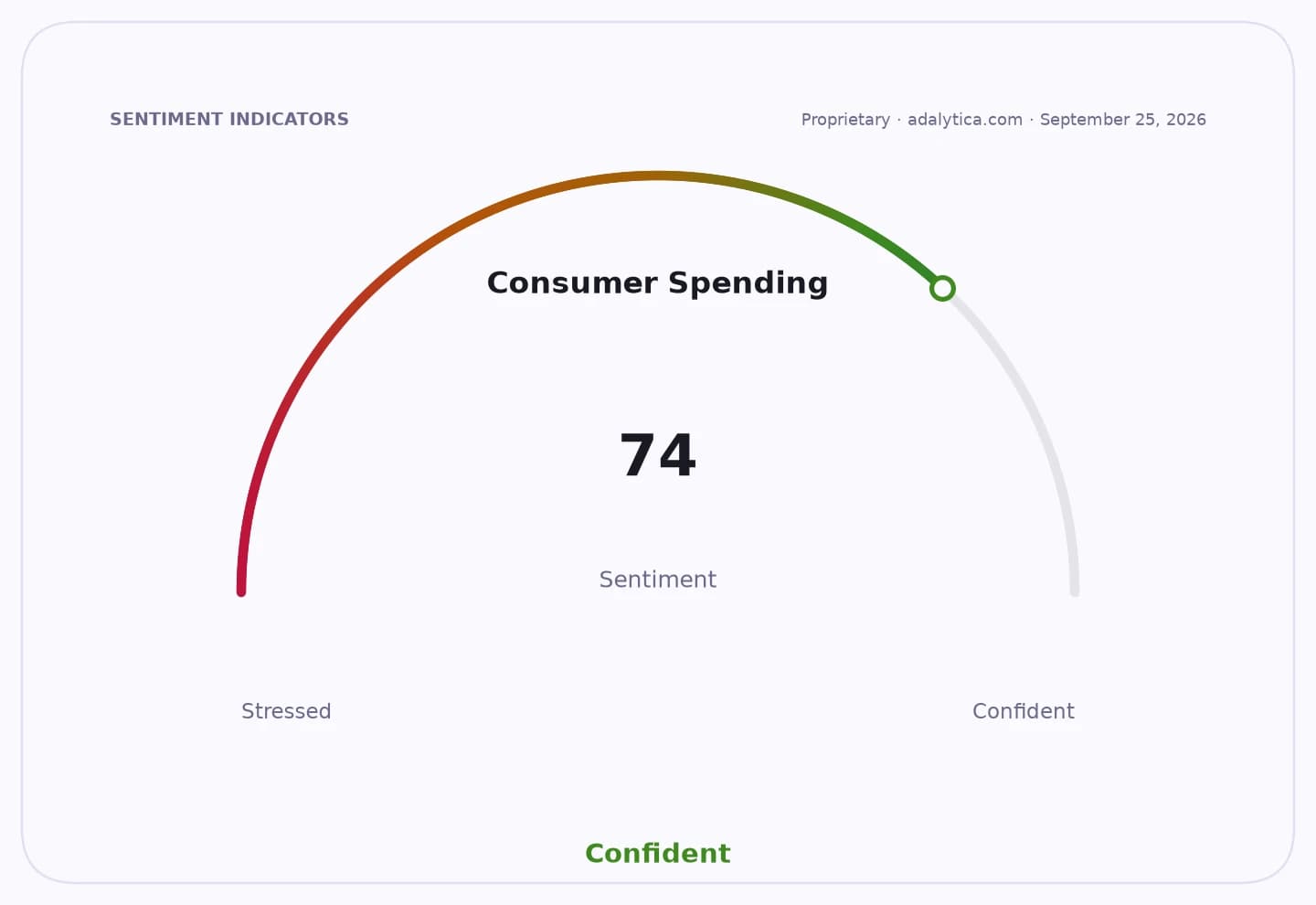
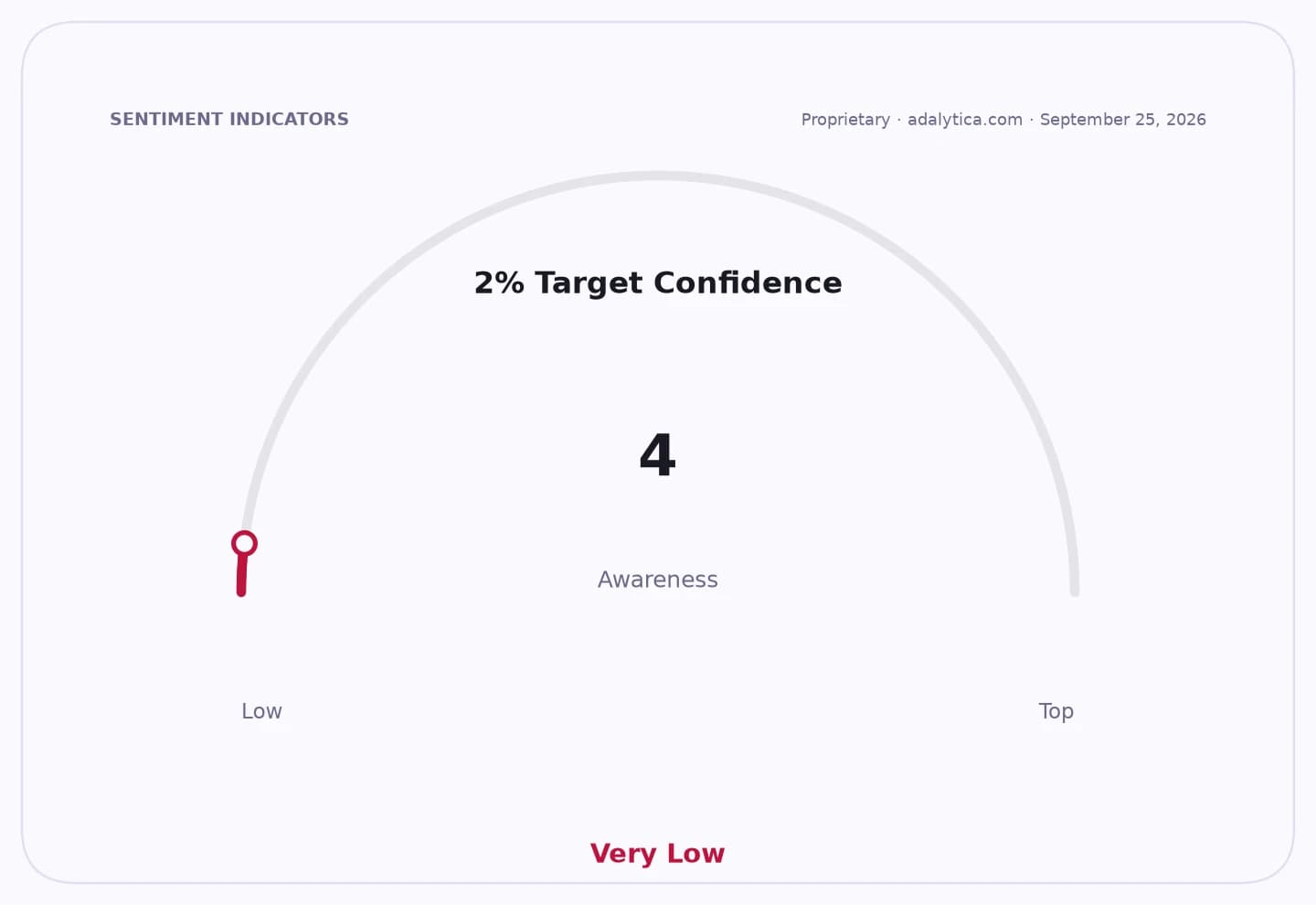
A hotter-than-expected inflation print or even one Fed decision can swing the mark on a 365-day, 0.70-delta options position for a week, but the real trade is no longer the macro tape — it is Rocket Lab and Nebius.
Rocket Lab and Nebius seen as rate-sensitive growth bets

That is the market's core mispricing right now. Investors are still treating long-dated, high-delta call exposure as if it were a macro hedge, when in practice it behaves much more like synthetic stock ownership with financing. The CPI pulse and the Fed path can knock valuations around at the margin, but once the dust settles, the position reverts to a bet on whether RKLB and NBIS can keep executing on the secular AI-and-space infrastructure buildout.
Sentiment IndicatorsⓘProprietary · adalytica.com · August 11, 2026
This is a snapshot — live sentiment, awareness and momentum for 130+ markets update continuously in the dashboard.Open AlphaPulse
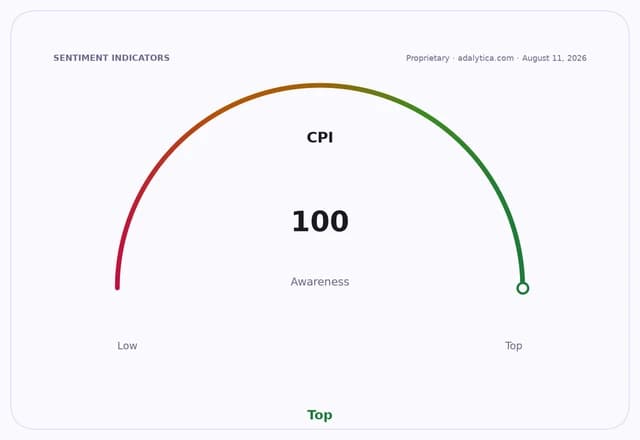
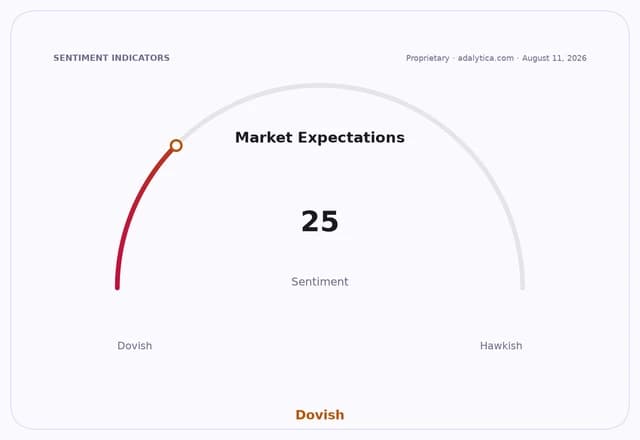
The macro backdrop matters because rates still set the discount rate on every future dollar these companies might earn. The 10-year Treasury yield is sitting around 4.65%, while the federal funds rate is 3.63%, leaving growth multiples sensitive to even small shifts in inflation and policy expectations. Adalytica's market-expectations gauge for Fed rate decisions is flashing fear, with sentiment at 25, while the CPI sentiment snapshot has cooled to neutral after a burst of extreme greed. That is exactly the kind of environment that can create violent, short-lived repricings in duration-heavy growth names.
But the more important point is that the market has already learned to look through the macro once it gets a read on the businesses. RKLB has rebounded sharply from a July low near $58.60 to about $80, while NBIS remains one of the more volatile AI infrastructure names, still pricing in a far wider range of outcomes than the broader market. Their moving averages and momentum gauges show that both stocks are still in digestion mode after huge runs, which is what you expect when investors are arguing less about quarterly noise and more about terminal value.
DGS10 vs FEDFUNDS — macro contextadalytica.com
Explore this data interactively — full history, time series and cross-market comparisons.Open AlphaPulse
That is why long-dated call structures can be so dangerous and so powerful at the same time. A 365 DTE, 0.70 delta position is close to owning the stock with leverage, and that means the position is less about whether CPI surprises by a tenth and more about whether Rocket Lab keeps winning launch and space-systems work, and whether Nebius continues to capture AI compute demand. The macro can bend the mark; it does not change the underlying thesis unless inflation forces a materially tighter policy path.
For investors, the implication is straightforward: the best risk-adjusted opportunity is not to trade every CPI print, but to use rate volatility to accumulate exposure to the companies that stand to benefit from the next capex cycle. AI infrastructure, compute, and aerospace are becoming toll roads for the next phase of industrial investment, and that favors the picks-and-shovels providers more than the market is currently rewarding.
If inflation data stays sticky, the near-term cost of capital stays a headwind. If the Fed ultimately leans dovish, duration assets like RKLB and NBIS can rerate hard. Either way, the asymmetric play is to stay positioned for the secular story, not the one-week mark-to-market noise.
| Entity | Gains | Losses |
|---|---|---|
| RKLB | ▲Space capex demand | ▼Rate spikes |
| NBIS | ▲AI compute spending | ▼Higher discount rates |
| Long-dated call holders | ▲Leverage to upside | ▼Short-term CPI swings |
| Cash-heavy value stocks | ▲Relative safety | ▼Repricing upside |