Romania’s record first-quarter air traffic points to a travel boom that could carry the sector to another high in 2025, but the economic stakes are broader than tourism alone as still-elevated inflation threatens to erode households’ spending power and squeeze airline margins.
Romania Air Traffic Signals Travel Resilience
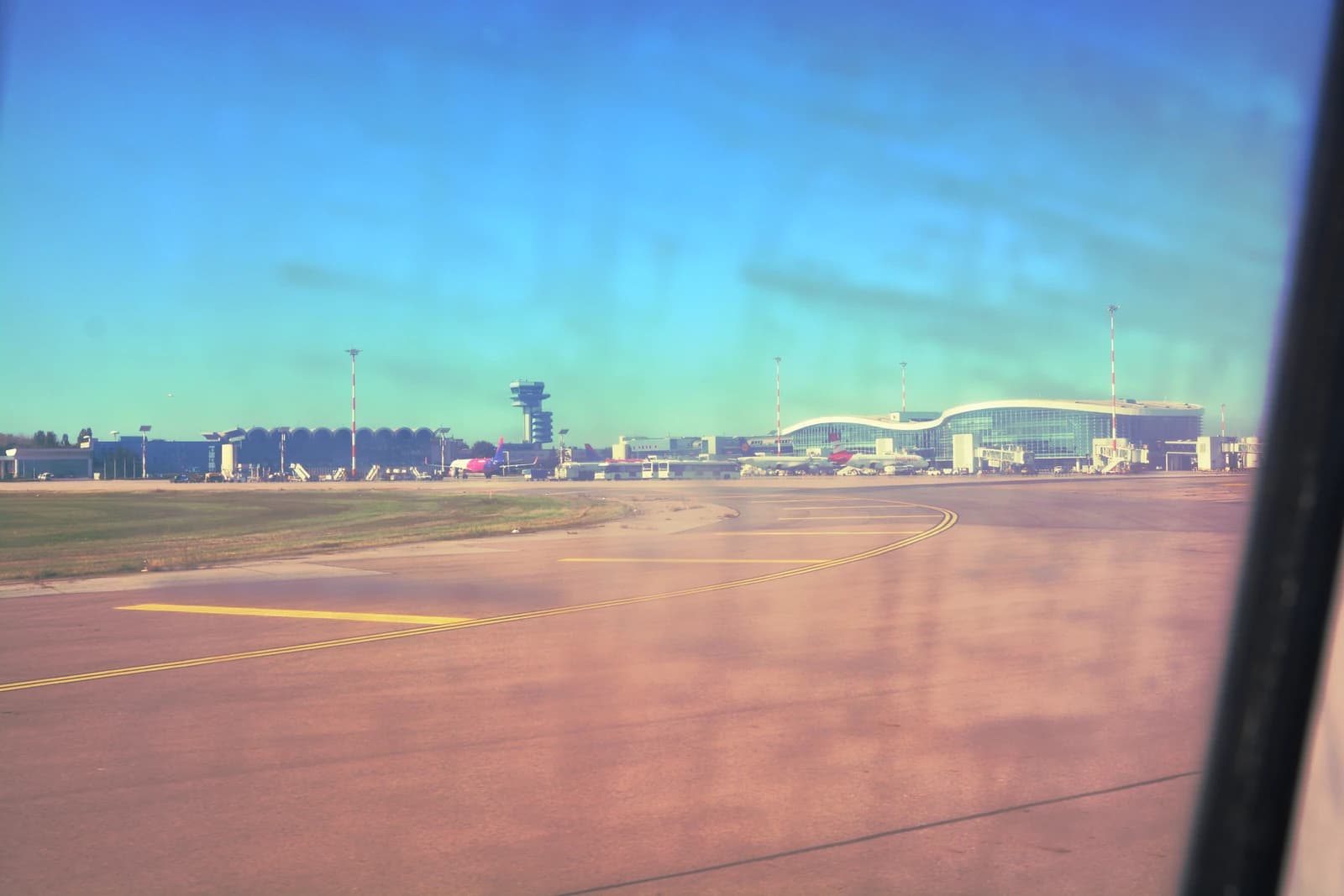
The surge matters because aviation is one of the clearest real-time gauges of domestic demand, foreign visitor flows and business confidence. If the pace holds through the rest of the year, Romania would not only set a new traffic record but also reinforce the view that leisure travel and cross-border mobility are proving resilient even in a higher-price environment.
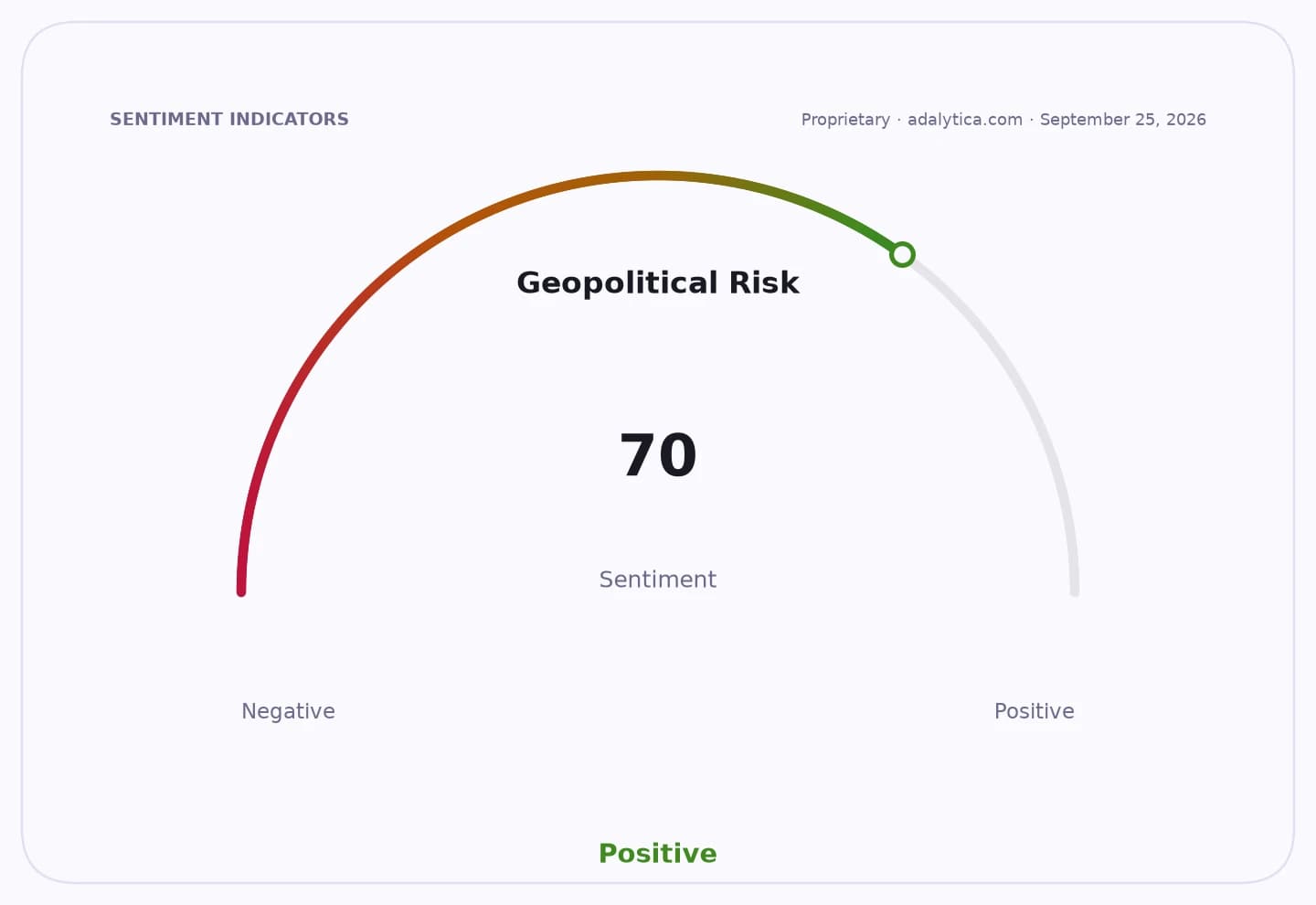
Sentiment IndicatorsⓘProprietary · adalytica.com · July 23, 2026
This is a snapshot — live sentiment, awareness and momentum for 130+ markets update continuously in the dashboard.Open AlphaPulse
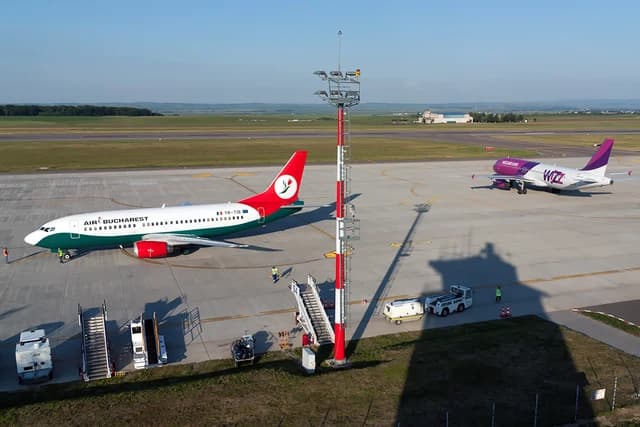
That resilience is notable against a backdrop of inflation that remains well above the kind of levels typically associated with stable consumer spending. Higher prices tend to hit discretionary categories first, yet air traffic has continued to expand, suggesting that travel demand is being supported by rising incomes, pent-up demand and Romania’s growing integration into regional tourism and business networks.
For airlines, airports and travel operators, the message is constructive. More passengers usually mean better load factors, stronger ancillary revenue and improved pricing power, particularly on popular regional and holiday routes. Airport operators benefit from higher fee income and retail sales, while hotel and hospitality groups can see spillover demand if inbound traffic remains elevated.
The bear case is that the growth may be flattered by a short-term catch-up effect and could cool if inflation keeps household budgets tight or if fuel, labor and financing costs stay elevated. A stronger dollar and higher global yields can also raise the cost base for carriers and pressure weaker operators, even when demand is healthy.
The market implication is that investors will likely focus on whether traffic gains translate into durable profitability rather than just top-line volume. In aviation, record passenger numbers do not automatically mean record earnings if capacity growth outpaces yields or if costs rise faster than fares. That makes the next few quarters crucial for judging whether Romania’s travel upswing is a sustainable structural trend or just a strong start to the year.
For now, the first-quarter data suggest Romania’s aviation market is on track to remain one of the more resilient consumer-facing stories in the region. If inflation moderates and summer travel demand holds, 2025 could indeed become a new peak year for air traffic; if not, the sector’s growth may still continue, but with thinner margins and more uneven winners.
| Entity | Gains | Losses |
|---|---|---|
| Airports | ▲Higher traffic fees | ▼Capacity strain |
| Airlines | ▲More passengers | ▼Cost pressure |
| Tourism operators | ▲Stronger demand | ▼Margin volatility |
| Consumers | ▲More travel options | ▼Higher fares and prices |