Romania’s wave of business closures has become a warning sign for the broader economy, with more than 269,000 companies shut over the past two years as taxes, inflation and fading consumer demand squeeze small firms first and hardest.
Romania Closures Signal SME Stress, Demand Weakness

The scale of the cull points to more than a short-term slowdown. It suggests a tightening loop in which higher operating costs, weaker purchasing power and still-elevated financing conditions are eroding the viability of thin-margin businesses that make up much of Romania’s domestic economy. For policymakers, the closures underscore the risk that tax collection gains can be offset by a narrower corporate base. For investors, they highlight a more fragile demand environment for retailers, service providers and lenders exposed to small and mid-sized enterprises.
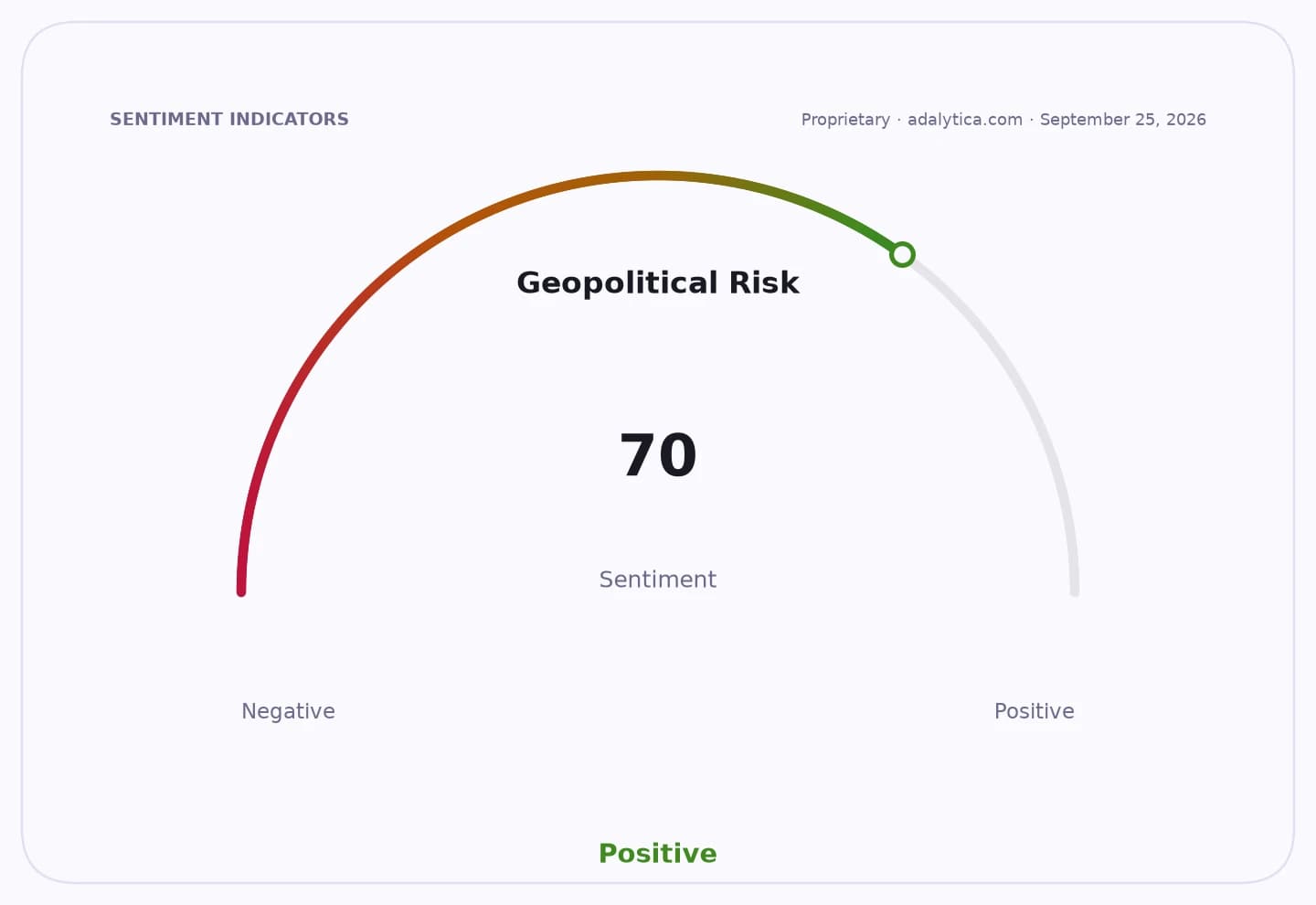
Sentiment IndicatorsⓘProprietary · adalytica.com · July 24, 2026
This is a snapshot — live sentiment, awareness and momentum for 130+ markets update continuously in the dashboard.Open AlphaPulse
The macro backdrop is still uncomfortable for smaller operators even as headline conditions improve only gradually. Romanian businesses are contending with inflation that has eased from crisis-era peaks but remains a drag on real spending, while borrowing costs remain well above the ultra-low levels that once supported expansion. Across Europe, that mix has been particularly punishing for firms with limited pricing power and little room to absorb wage, utility and debt-service increases.
The latest market and technical signals do little to suggest an immediate turn in risk appetite. In Romania-focused equities tracked on the market, the sharp run-up in the first half of the year has given way to a more mixed pattern, with the stock moving around its 50-day moving average and RSI readings easing from overbought levels. That usually points to consolidation rather than a clean re-rating, consistent with an economy where growth is still being tested by consumer caution.
The strain on small companies also helps explain why pockets of the economy can look resilient even as the base weakens. Vectr Holdings’ plan to spend more than EUR 2.5 million to add four gyms in Bucharest shows that investors still see opportunity in consumer-facing niches tied to recurring spending and lifestyle demand. But such expansions are the exception rather than the rule. They tend to favor businesses with stronger brands, more predictable cash flow and the ability to pass on costs.
For Romania, the key question is whether the closures are a cleansing of weak firms or the early sign of a more persistent contraction in the entrepreneurial base. If tax pressure and inflation continue to outpace revenue growth, more closures could follow, especially among microbusinesses and service firms that rely on discretionary spending. That would hurt employment, limit household income growth and weigh on domestic demand.
For investors, the story is less about a single data point than about duration. A sustained purge of small businesses can eventually improve efficiency and market share for stronger players, but in the near term it usually means fewer customers, softer credit demand and more caution from lenders and consumer-facing companies. The companies best positioned are those with pricing power, scale and export exposure; the weakest are those selling into a stretched local consumer.
| Entity | Gains | Losses |
|---|---|---|
| Larger firms | ▲Take market share | ▼Face weaker local demand |
| Consumers | ▲May get stronger operators | ▼Lose small-business choice |
| Banks | ▲Cleaner loan books over time | ▼Higher SME credit risk |
| Small businesses | ▲None | ▼Closures and margin squeeze |