Romania has narrowly escaped a major electricity emergency, and the real investment story is what comes next: the country still has to prove it can keep the lights on when climate stress collides with aging infrastructure.
Romania Danube Low Water Threatens Nuclear Cooling
The immediate danger came from historically low water levels on the Danube, which threatened cooling systems at Romania’s nuclear plant and forced emergency intervention, including army work to divert part of the river flow. That is not a routine maintenance issue. It is a reminder that power systems built around one critical asset can become fragile fast when weather turns extreme.
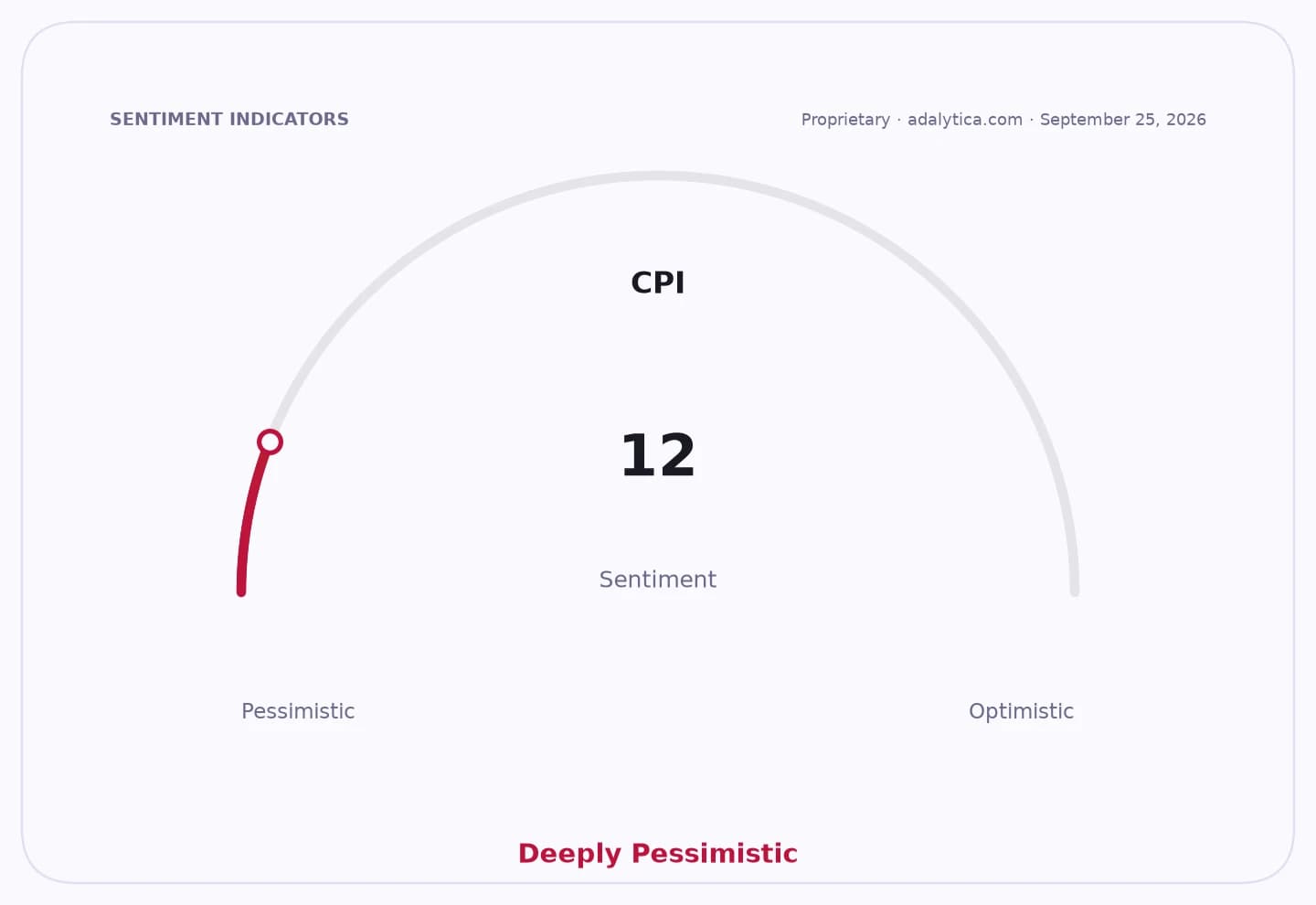
Sentiment IndicatorsⓘProprietary · adalytica.com · August 2, 2026
This is a snapshot — live sentiment, awareness and momentum for 130+ markets update continuously in the dashboard.Open AlphaPulse
For investors, the significance goes beyond Romania. Energy security is becoming a balance-sheet issue across Europe, especially in places that rely on a handful of baseload plants, imported fuel, or weather-sensitive generation. When a river falls to dangerous levels, nuclear output, industrial activity, and even regional power trading can all be affected. That can tighten supply, lift power prices, and pressure governments into expensive stopgap measures.
The market signals are already pointing to a world where energy volatility remains elevated. West Texas Intermediate crude has rebounded sharply in the months ahead, with oil pricing still high enough to keep pressure on fuel costs and inflation. U.S. 10-year Treasury yields are also sitting near 4.7%, a level that keeps financing costs meaningful for utilities and infrastructure projects. In other words, power system resilience is not just an environmental concern — it is a capital allocation issue.
That is why Romania’s emergency response matters. The country may have prevented a sudden outage, but it has not solved the underlying problem. If low water levels persist, authorities may need even more drastic measures, and that would add costs, complexity and political risk. Regional neighbors such as Hungary and Serbia are dealing with similar strains, which suggests this is not an isolated episode but part of a broader vulnerability in Southeast European energy systems.
For long-term investors, the takeaway is simple: the winners are likely to be companies and funds tied to grid hardening, water-resilient infrastructure, storage, and diversified generation. The losers are utilities and power-heavy industries exposed to single points of failure. This is exactly the kind of structural challenge that rewards patience, diversification and a willingness to own the infrastructure behind the transition rather than chase the headlines around it. Worth watching closely.
| Entity | Gains | Losses |
|---|---|---|
| Romania’s power system | ▲Short-term stability | ▼Long-term vulnerability |
| Energy infrastructure builders | ▲Higher spending demand | ▼— |
| Power-intensive industries | ▲— | ▼Higher supply risk |
| Regional electricity consumers | ▲Avoided blackout | ▼Higher price pressure |