Romania’s plan to extend fuel price limits to March 2027 could end up making gasoline and diesel more expensive by squeezing independent stations and widening the edge of integrated oil groups.
Romania fuel price cap may hit independent stations
The measure is meant to shield consumers from volatility, but the current law creates a split market: refiners, importers and big retail chains can earn uncapped margins on the first sale of fuel, while independent distributors and retailers must live with capped markups. That can compress profits at smaller operators and gradually remove them from the market.
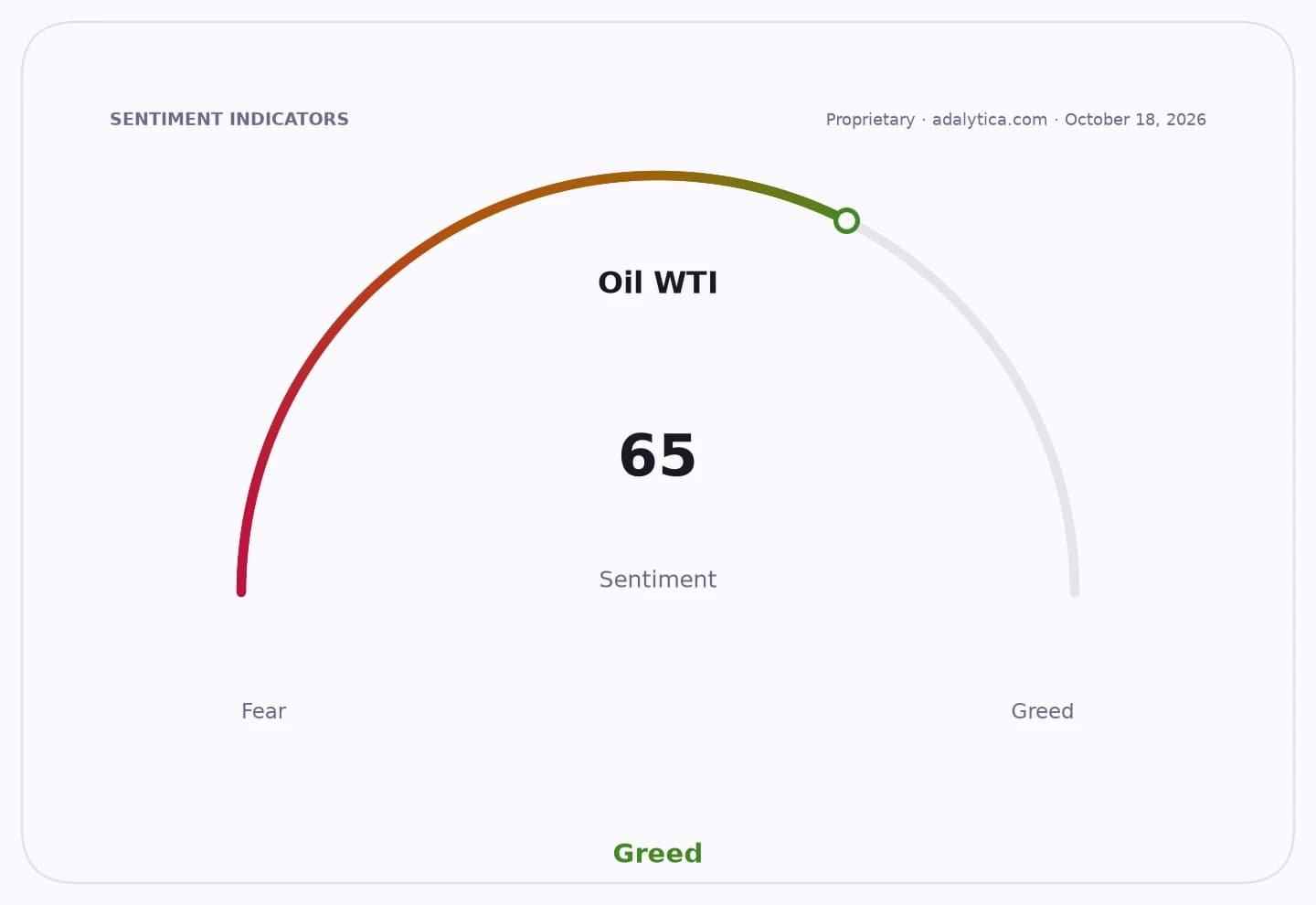
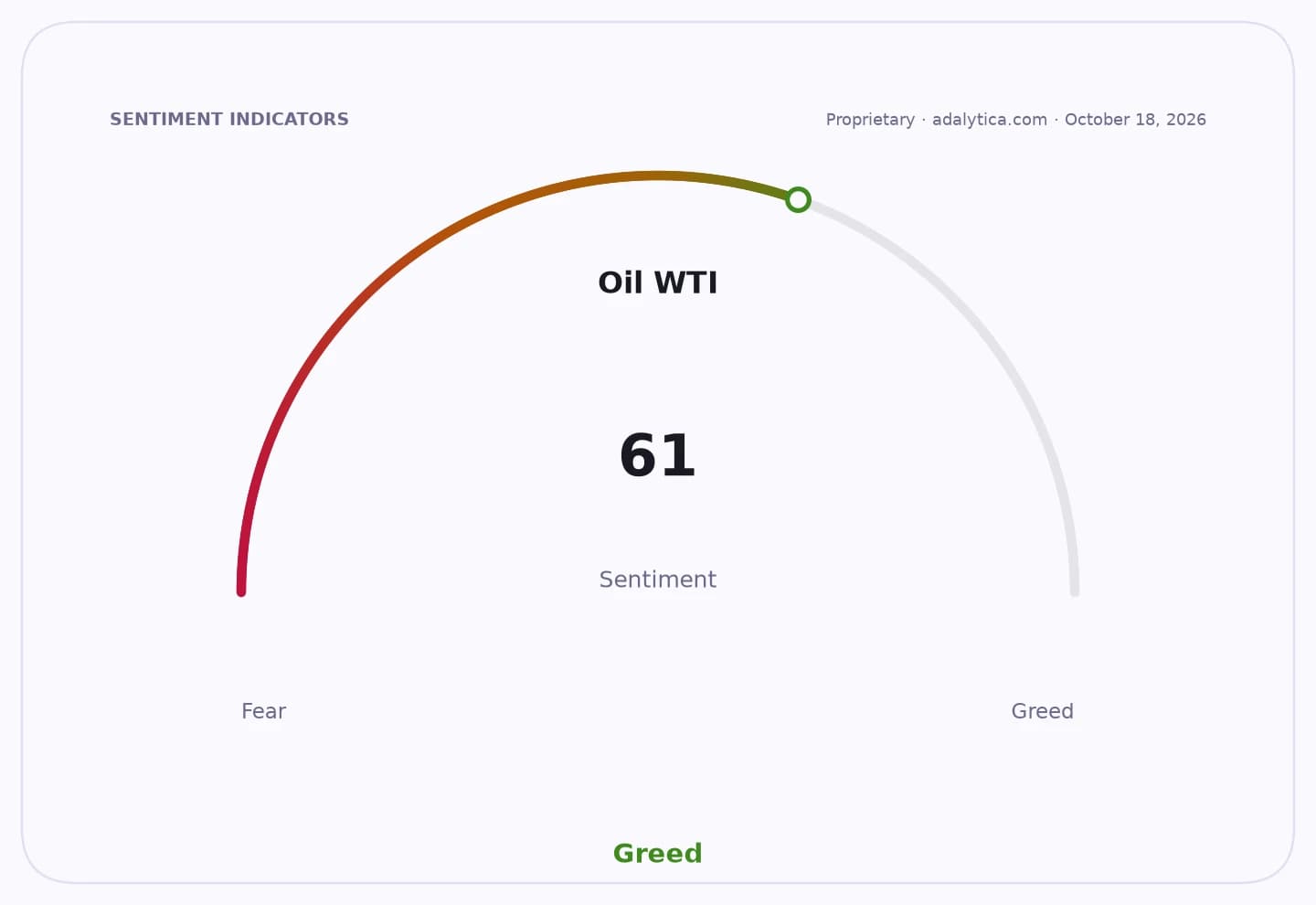
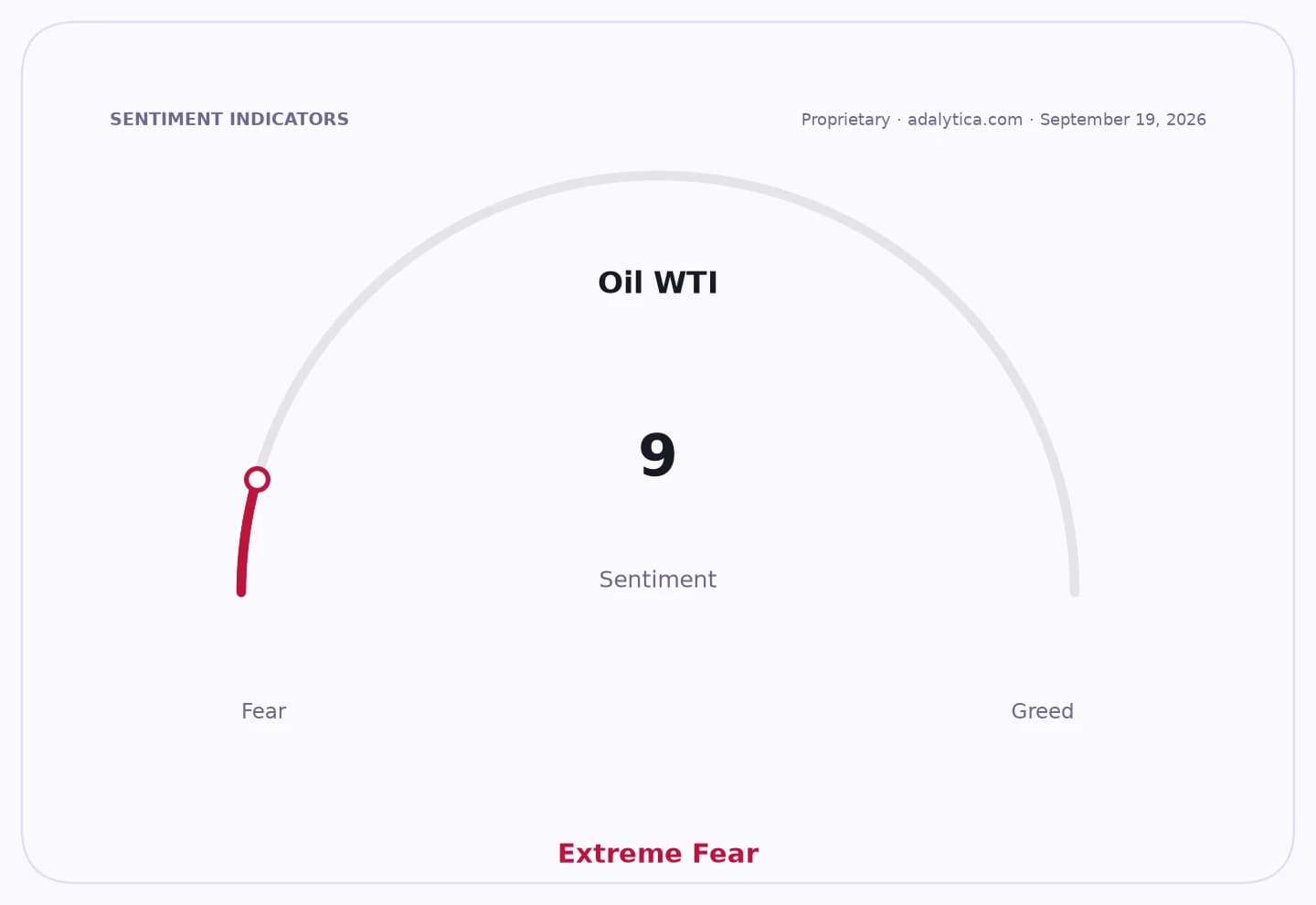
Sentiment IndicatorsⓘProprietary · adalytica.com · October 19, 2026
This is a snapshot — live sentiment, awareness and momentum for 130+ markets update continuously in the dashboard.Open AlphaPulse
Under Law 162/2026, the state intervention on crude oil and petroleum products runs through Oct. 31, 2026, with commercial markups benchmarked to average 2025 levels and adjustable only once for last year’s inflation. Authorities have discussed keeping the restrictions in place until March 31, 2027, but the bill was pulled from the Chamber of Deputies agenda on Oct. 14 at the Finance Ministry’s request.
That matters because the carve-outs favor companies that own refineries, import fuel and run their own stations. They can earn more at the wholesale stage, then offset thinner margins at the pump with profits made earlier in the supply chain. Independent stations, by contrast, buy on the wholesale market at prices that may already include uncapped upstream margins and then must sell within the legal ceiling.
The result is a classic margin squeeze. Smaller operators face tighter cash flow, less room to invest and a weaker ability to withstand repeated pressure on profitability. Over time, that can push the market toward concentration in the hands of a few large groups, reducing competition at the pump.
For consumers and investors, the risk is not just lower profits for independents but a less competitive fuel market. Fewer stations and less pricing pressure can ultimately leave drivers paying more, even if prices look restrained in the short term. In energy markets, that is the opposite of what a cap is meant to achieve.
Oil and fuel pricing remain sensitive to crude costs, taxes, transport and retail competition. Benchmark oil prices have also been firming, with West Texas Intermediate recently near $102 a barrel, while gasoline-focused ETFs such as UGA and broader energy funds like XLE and XOP have been trading near multi-month highs, underscoring how quickly downstream margins and retail prices can react to policy and supply shifts.
The next test is whether lawmakers revise the cap so it applies more evenly across the supply chain. If not, Romania risks protecting consumers in the short run while entrenching the very pricing power that can lift fuel costs later.
| Entity | Gains | Losses |
|---|---|---|
| Big integrated oil groups | ▲Wider margin flexibility | ▼Smaller competitors |
| Independent fuel stations | ▲Lower pump prices are temporary | ▼Profitability and market share |
| Romanian consumers | ▲Short-term price restraint | ▼Long-term competition |
| Regulators | ▲Political cover on inflation | ▼Credibility if prices rise |