Romania’s inflation problem is now the country’s biggest economic risk, and it is starting to threaten both household demand and the billions of euros Bucharest could lose from Brussels if policy credibility slips further.
Romania Inflation Threatens Growth and EU Funding

That is the core warning behind Adrian Câciu’s alarm that “the elephant in the room is inflation,” a message that lands at exactly the wrong moment for a government already fighting to protect as much as 7.3 billion euros in Recovery and Resilience Facility money. When inflation remains the highest in the European Union, real incomes are squeezed, borrowing costs stay sticky and policymakers have less room to maneuver without unsettling lenders and EU institutions.
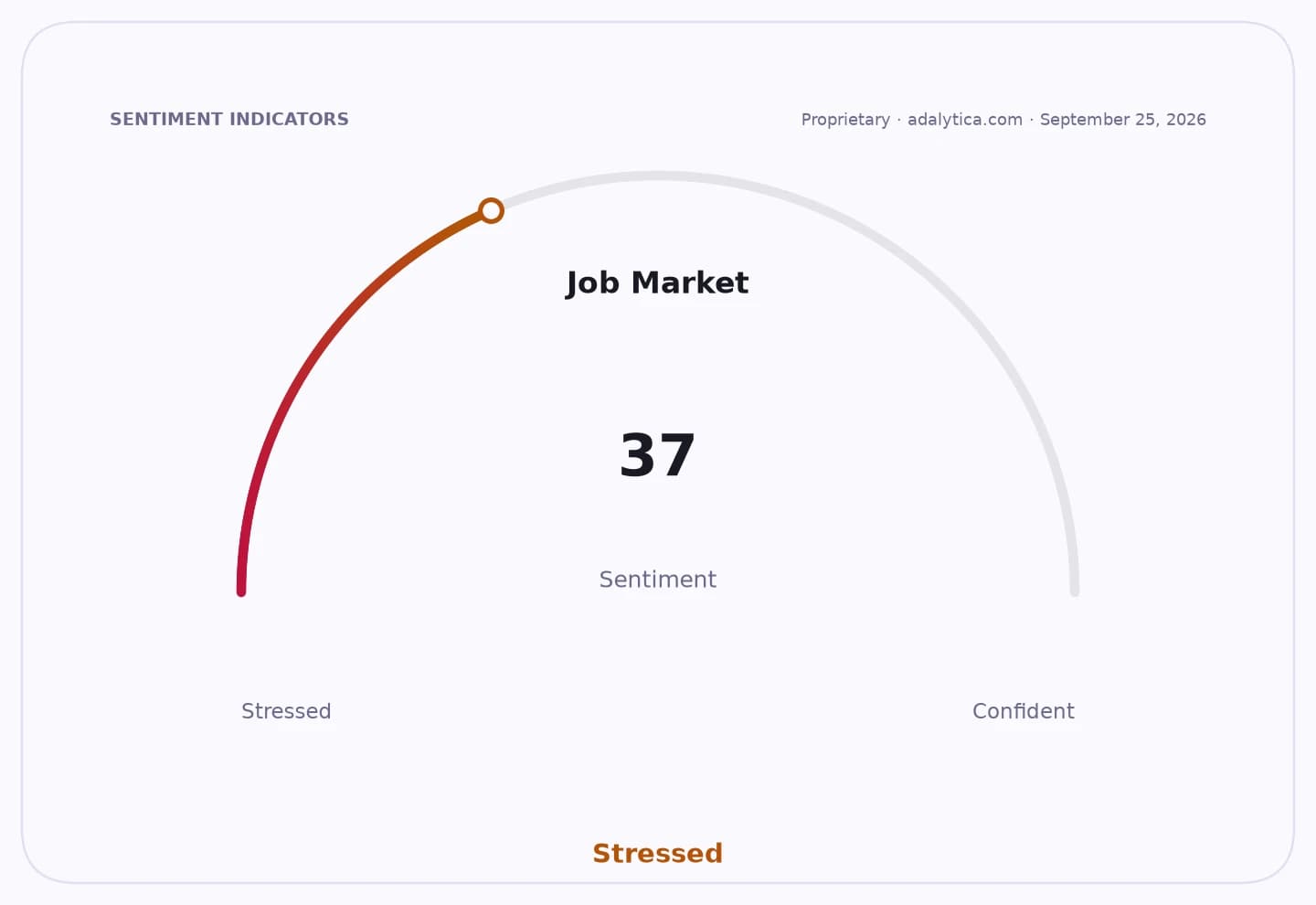
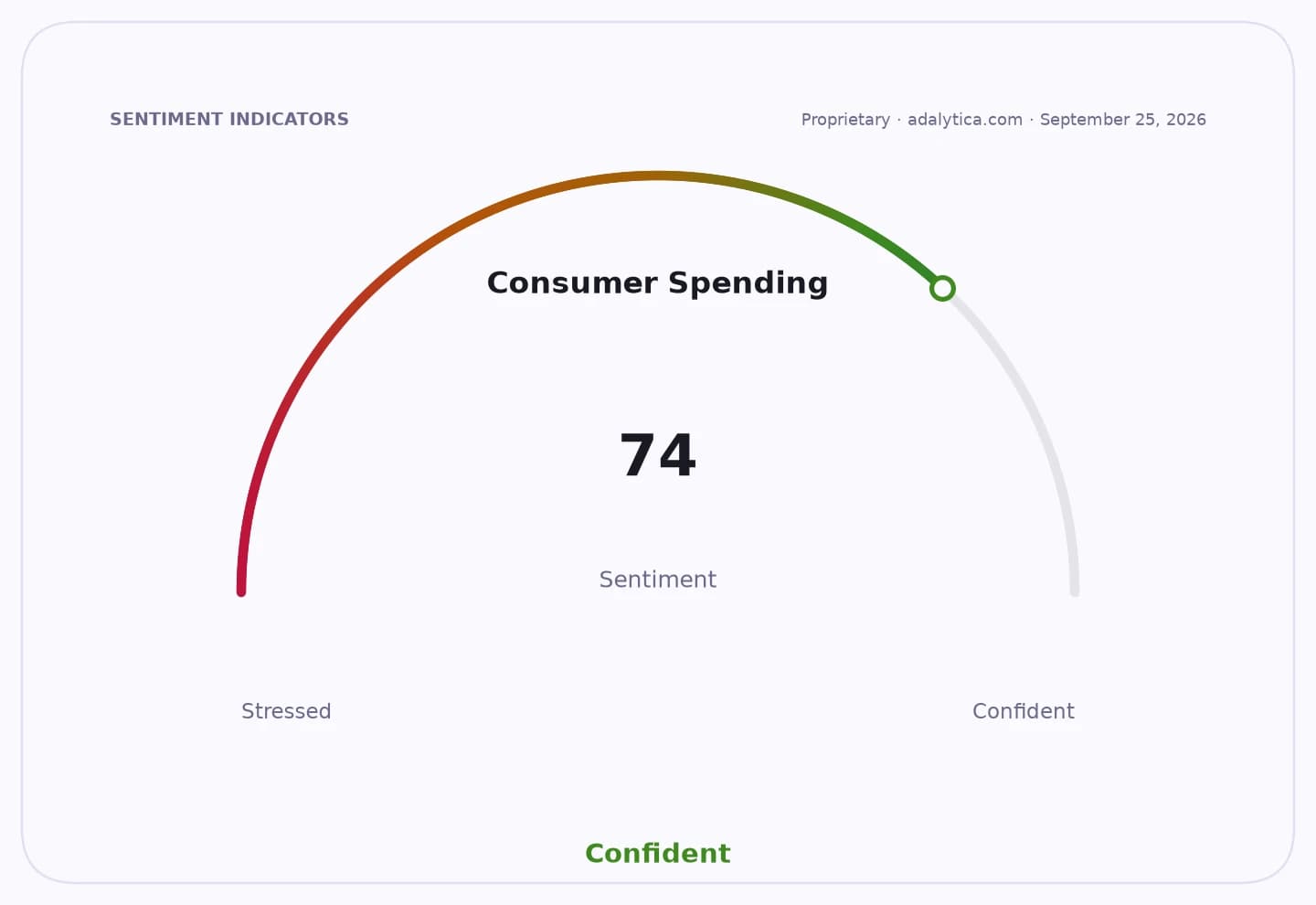
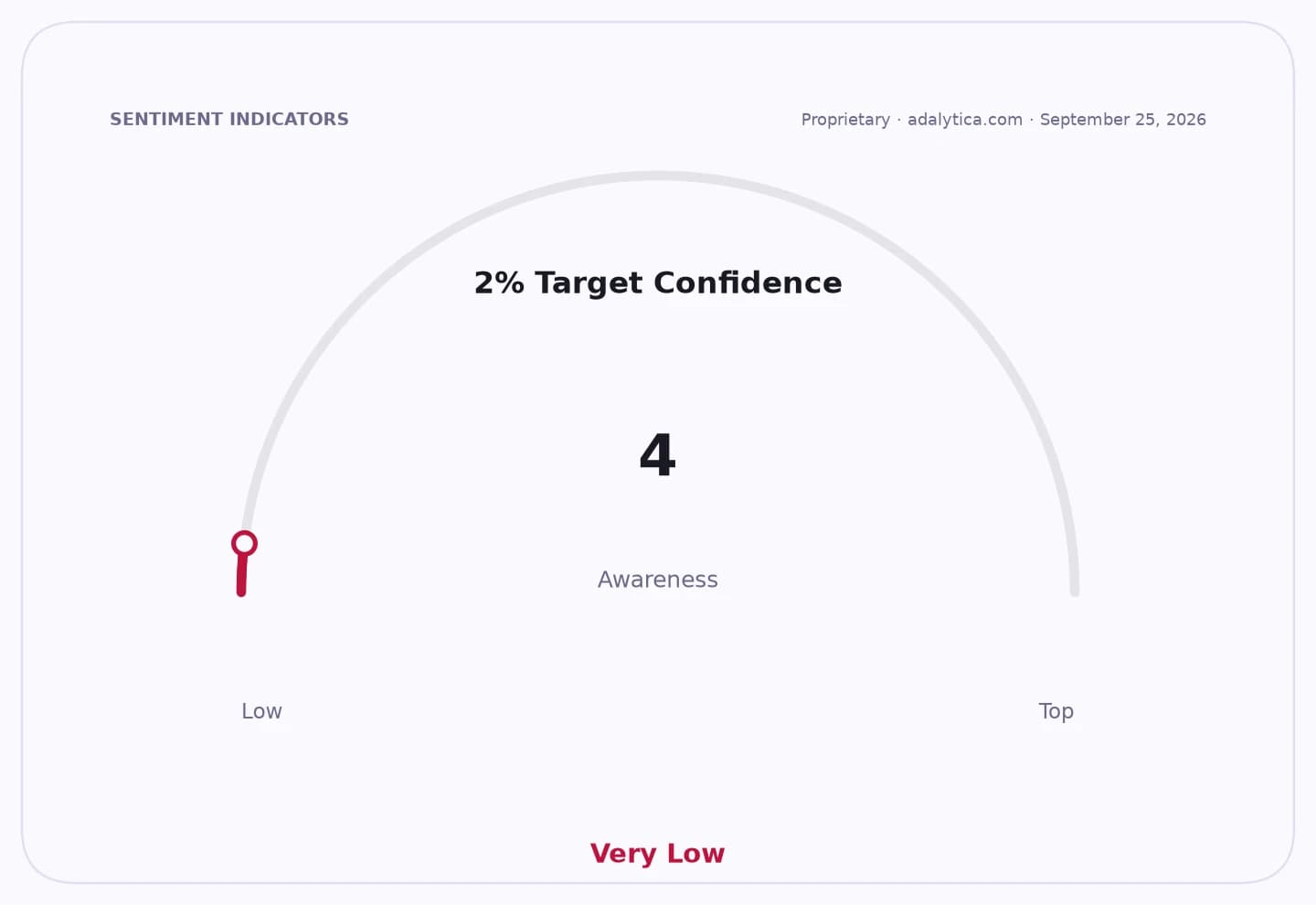
Sentiment IndicatorsⓘProprietary · adalytica.com · July 23, 2026
This is a snapshot — live sentiment, awareness and momentum for 130+ markets update continuously in the dashboard.Open AlphaPulse

The macro picture is unforgiving. Inflation in Romania has not disappeared; it has merely eased from more extreme levels. The latest available consumer-price readings still show prices running far above the kind of stability Brussels expects from a member state trying to unlock full European funding. At the same time, the policy backdrop is tight: Romania’s benchmark rate remains elevated, while the 10-year US Treasury at 4.6% and a still-firm dollar underscore how globally higher-for-longer rates continue to punish vulnerable, externally financed economies.
For investors, that matters because Romania is not just a domestic inflation story. It is a capital-flows story, a sovereign-risk story and a consumer-demand story all at once. Persistent price pressure keeps local rates higher for longer, weighs on credit growth and keeps pressure on consumer discretionary spending. That hits retailers, banks and domestic cyclicals first, while potentially benefiting names with pricing power, hard-currency revenues or exposure to import substitution.
The market signals are consistent with that caution. The euro has slipped to around 1.14 against the dollar, reflecting a stronger greenback and tighter global financial conditions, while emerging-market equities have become more volatile again. Romania’s own economic fault line is even sharper because inflation is colliding with political fragility and the risk of losing EU recovery money, which would remove a key source of investment, infrastructure spending and growth support.
That is why the Competition Council’s conclusion that ROBOR rates did not show unusual distortions matters less as a legal clean bill than as a reminder of the real problem: the pain is coming from inflation, not from a broken benchmark. Households are facing higher food, energy and financing costs; companies are seeing margins squeezed; and the state is under pressure to prove it can stabilize the fiscal and political environment fast enough to keep European cash flowing.
The investment takeaway is straightforward: the market underestimates how much persistent Romanian inflation can delay recovery and reprice domestic assets. Until inflation clearly cools and EU funding risk recedes, this is a market to favor selectively, with preference for exporters, hard-currency earners and companies able to pass through costs, while staying cautious on local consumer and rate-sensitive names.
| Entity | Gains | Losses |
|---|---|---|
| Exporters | ▲Hard-currency revenues | ▼Domestic cost inflation |
| Banks | ▲Higher lending margins | ▼Credit-quality pressure |
| Consumers | ▲None | ▼Real income squeeze |
| Romanian government | ▲Fiscal urgency | ▼EU-fund risk, higher rates |