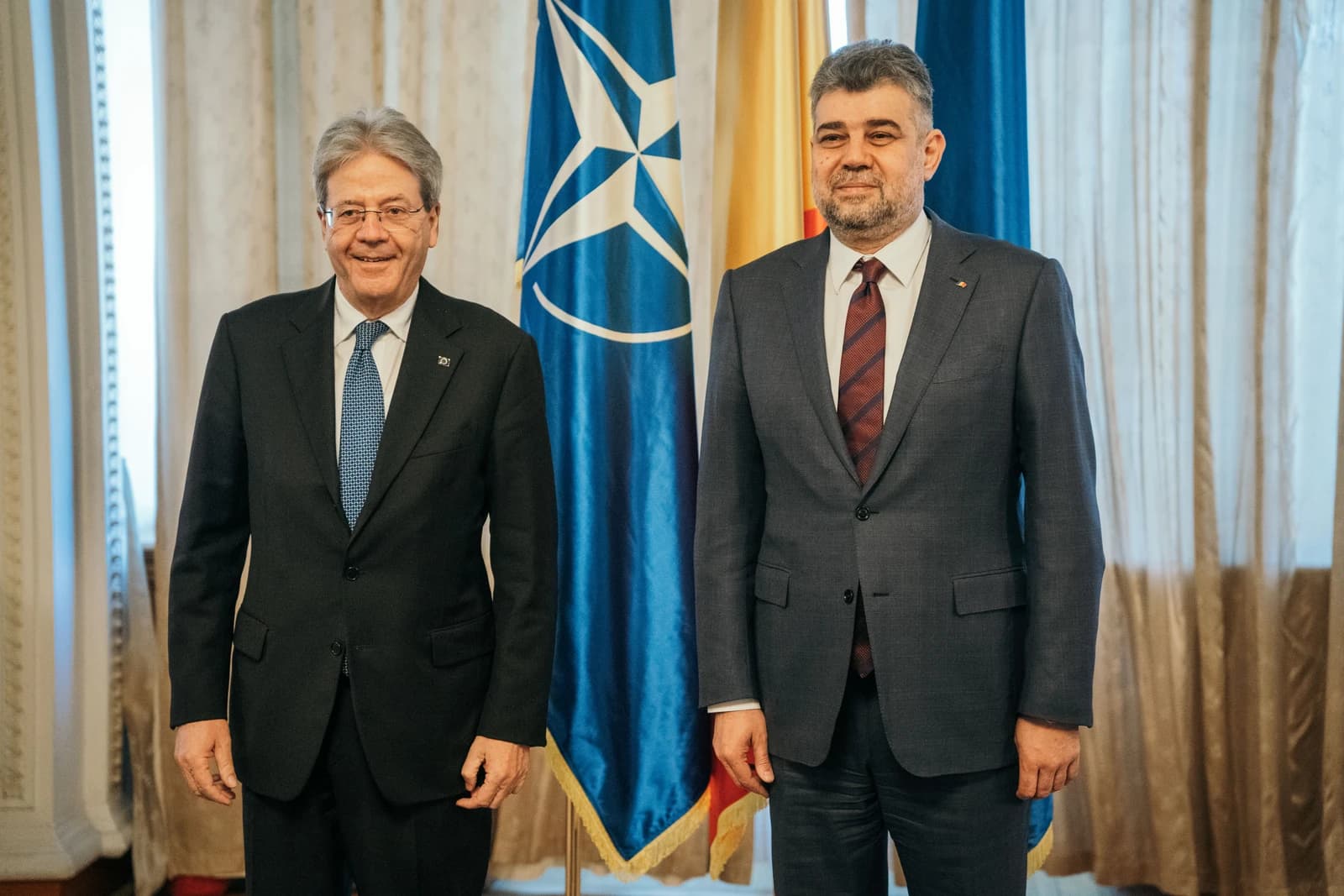
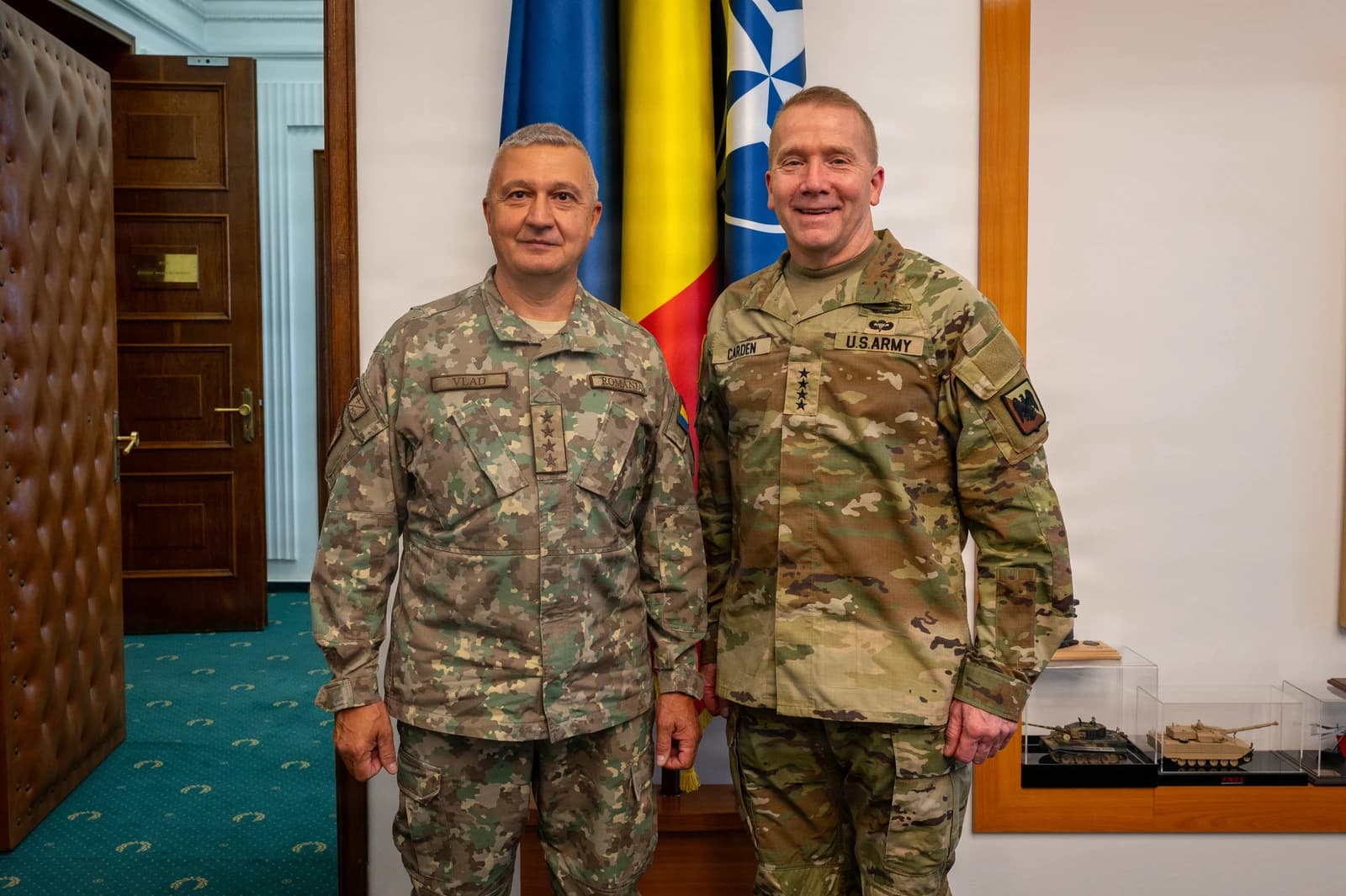
Romania is using a high-level Pentagon visit to press for a permanent U.S. military base on its soil, a move that could deepen Washington’s foothold on NATO’s eastern flank and reshape the security calculus around the Black Sea.
Romania Seeks Permanent U.S. Base in Bucharest Talks
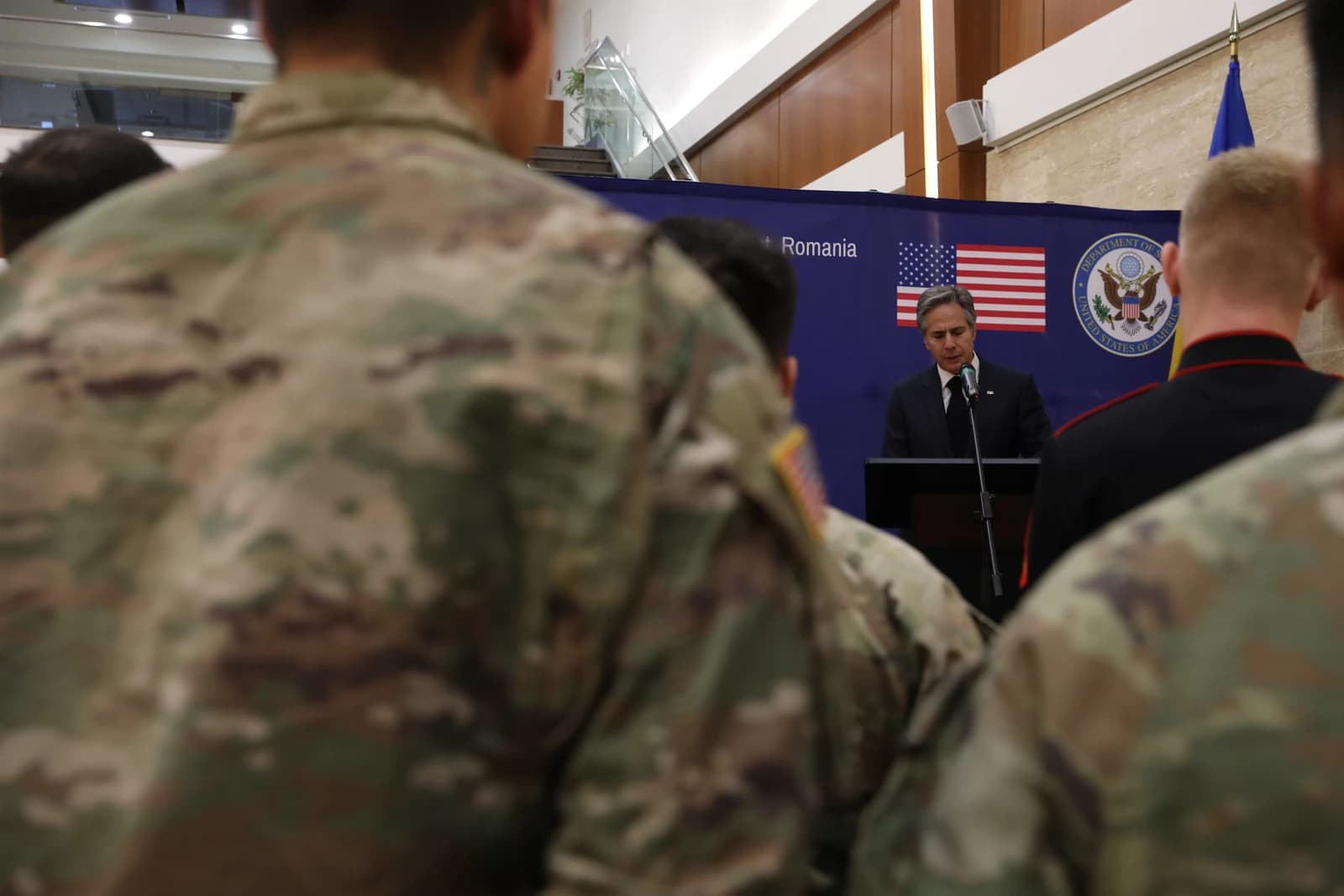
The push comes as Elbridge Colby, the U.S. undersecretary of defense and the Pentagon’s No. 2 official, meets President Nicușor Dan in Bucharest after talks in Poland. For investors and policymakers, the key issue is whether the U.S. signals a durable commitment to Romania or trims its footprint as Washington reviews its global force posture.
Sentiment Indicators
Geopolitical Risk
Political analyst Bogdan Chirieac said Romania should seek “what Poland also proposed”: a U.S.-run base funded by the host country, not just a NATO facility. He argued such a deployment would strengthen deterrence against Russia’s hybrid tactics and help secure freedom of navigation and energy supply routes in the Black Sea.
The timing matters. Romania is trying to lock in American backing while regional tensions remain elevated, and while allies are also discussing joint defense procurement, including a new Romania-Moldova project under the EU’s SAFE program. A permanent U.S. base would be a more visible strategic guarantee than rotating troop deployments, and it would likely be read in Moscow as a hardening of the Western line in southeastern Europe.
Geopolitical Risk — 30-day sentimentadalytica.com
Explore this data interactively — full history, time series and cross-market comparisons.
For defense contractors, the broader trend is clear: any increase or formalization of U.S. presence in Romania would support demand for infrastructure, air defense, surveillance and logistics systems. Shares of U.S. defense groups such as Northrop Grumman, Lockheed Martin and RTX tend to benefit when NATO members commit to higher spending and longer-term basing arrangements, even as market moves remain driven by broader budget and execution concerns.
The immediate question is whether Bucharest can secure a concrete pledge from Washington, or at least an assurance that U.S. troop levels in NATO facilities in Romania will not be cut. Any statement after the meeting will be parsed for clues on Black Sea security, force posture and the Biden administration’s willingness to keep Europe’s eastern edge heavily defended.
| Entity | Gains | Losses |
|---|---|---|
| Romania | ▲stronger U.S. security guarantee | ▼less leverage if talks disappoint |
| U.S. Pentagon | ▲deeper regional influence | ▼added long-term deployment costs |
| Lockheed Martin, RTX, Northrop Grumman | ▲more NATO procurement demand | ▼no new base commitment |
| Russia | ▲none | ▼higher deterrence pressure in Black Sea |