Romania’s government is racing to fix its unitary wage law before Brussels withholds 770 million euros in recovery funds, turning a domestic pay reform into a make-or-break test of fiscal discipline and reform credibility.
Romania wage law risks 770 million euro EU funds

That is the real economic stakes of Dragos Pîslaru’s warning: this is no longer just a labor-policy debate, but a funding trigger tied to the country’s share of the EU’s post-pandemic recovery package. If Bucharest misses the deadline, the immediate loss is the PNRR tranche itself; the deeper cost is a blow to confidence in Romania’s ability to deliver the conditions attached to European money at a time when public investment, infrastructure and wages all depend on it.
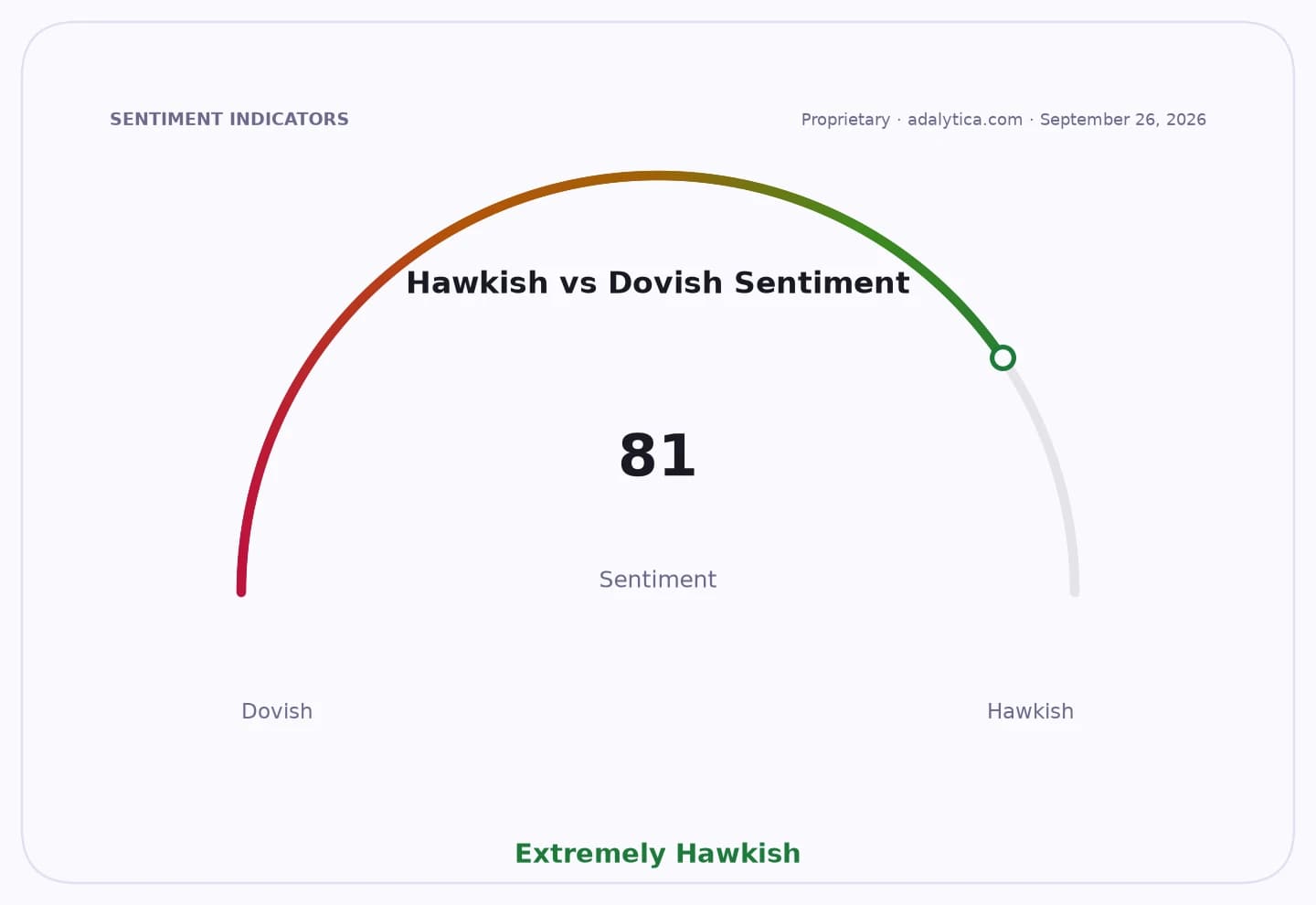
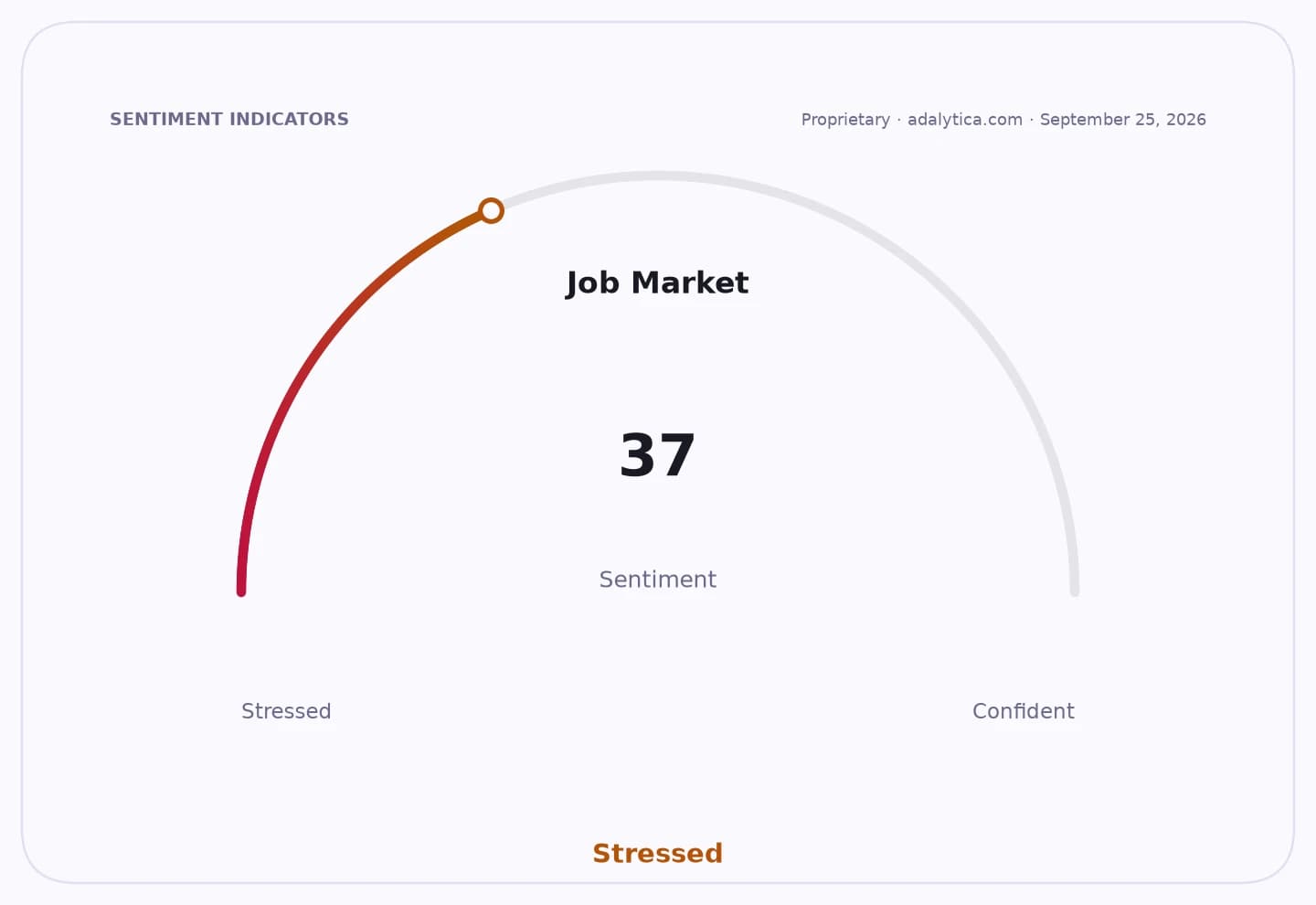
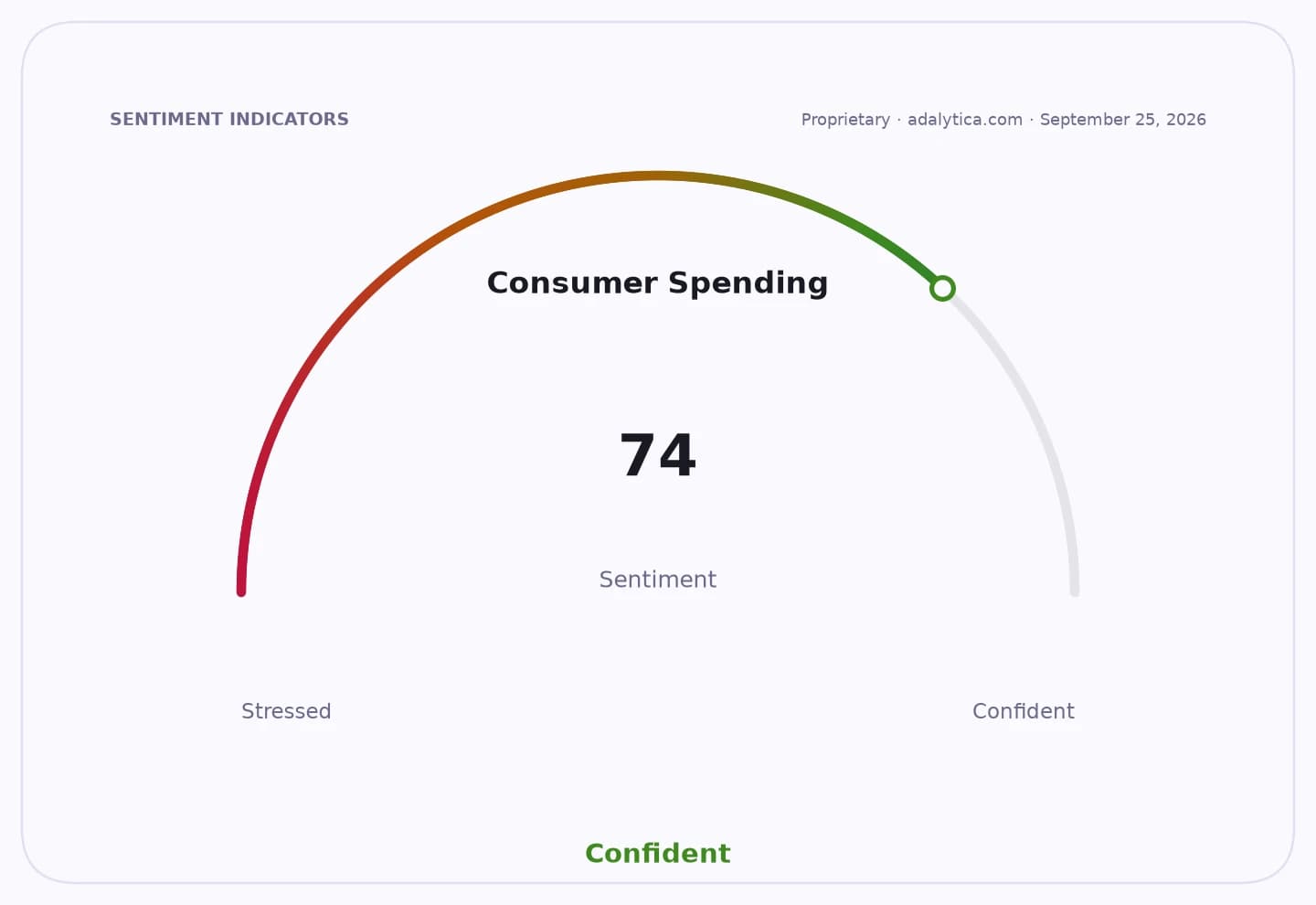
Sentiment IndicatorsⓘProprietary · adalytica.com · August 10, 2026
This is a snapshot — live sentiment, awareness and momentum for 130+ markets update continuously in the dashboard.Open AlphaPulse
For investors, the issue matters because EU recovery cash is not an abstract accounting line. It helps finance public works, supports domestic demand and lowers the odds that the state has to lean more heavily on borrowing to bridge spending needs. With the U.S. 10-year Treasury yield around 4.6% and two-year yields near 4.2%, global funding conditions remain restrictive. That makes Romania’s ability to secure concessional European money more valuable, not less, especially for a market that still depends on policy credibility to keep financing costs contained.
The message from the wage-law dispute is that reform fatigue has a price. Governments across Europe are under pressure to raise living standards, but wage changes that are not aligned with fiscal rules or institutional commitments can end up delaying larger capital inflows. In Romania’s case, the reform is now being treated as a gatekeeper for money that can help drive growth rather than a standalone labor measure.
That also explains why the issue resonates beyond Bucharest. Lower-income workers are pushing for higher pay, while policymakers are trying to avoid a wage framework that worsens budget rigidities. The tension is familiar across emerging Europe: if governments cannot modernize pay structures without missing reform milestones, the market will increasingly price in delays, not just in wages but in the broader investment cycle.
The investable read-through is straightforward. Any breakthrough that unlocks the 770 million euros should support Romanian sovereign sentiment, local-construction and infrastructure demand, and broader Eastern European risk appetite. A failure would do the opposite, forcing investors to reassess execution risk and the pace of EU-funded growth. The market is underestimating how much one wage law now matters to Romania’s financing outlook.
| Entity | Gains | Losses |
|---|---|---|
| Romanian government | ▲PNRR funds unlocked | ▼Credibility if it misses deadline |
| Workers | ▲Higher wage floor | ▼Delay in pay reform |
| Romanian economy | ▲More public investment | ▼Lost EU financing |
| Investors in Romania | ▲Policy clarity, funding support | ▼Higher execution and funding risk |