A softer German cut to rooftop solar feed-in tariffs may look like a narrow policy change, but the bigger story is that roof-based energy and cooling upgrades are moving from niche climate spending to an everyday bill-cutting trade, and that is exactly the kind of demand stream investors should want exposure to.
Roof Efficiency Emerges as a Bill-Cutting Theme

The economic appeal is simple: if a product installed on a roof can reduce air-conditioning costs and cut heat exposure by as much as 53%, the payback case becomes much stronger than a pure environmental pitch. That matters because households, landlords and commercial owners are now making decisions under higher electricity costs, stubborn inflation in building materials and a broader push for energy efficiency. When a roof can act as both a power generator and a thermal shield, it becomes an infrastructure asset, not just a maintenance expense.
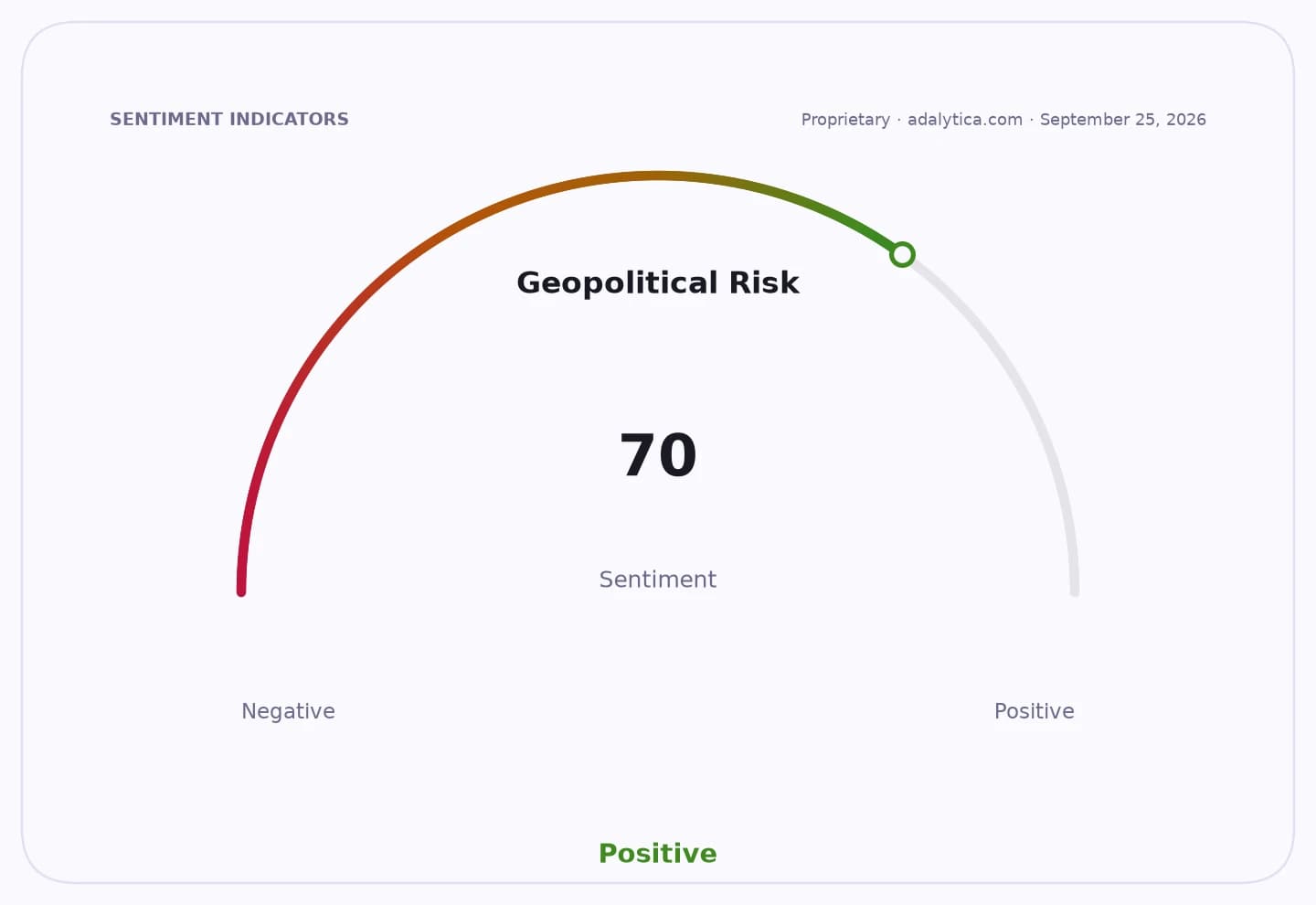
Sentiment IndicatorsⓘProprietary · adalytica.com · July 20, 2026
This is a snapshot — live sentiment, awareness and momentum for 130+ markets update continuously in the dashboard.Open AlphaPulse

That is why Germany’s decision to soften planned reductions in rooftop solar subsidies matters beyond its borders. The ministry’s shift signals that policymakers still want to keep rooftop economics attractive even as they manage budget pressure. Investors should read that as a reminder that distributed energy remains politically protected where it visibly lowers household bills. In Europe, and eventually elsewhere, the winning products will be the ones that bundle solar generation, heat reduction and lower utility spend into a single home-improvement decision.
The market has already started to separate the beneficiaries from the bystanders. Johnson Controls, which sells building efficiency and cooling systems, sits in the middle of the trend. Its filings point to rising demand tied to smart, efficient buildings, tax incentives and tighter building-performance rules, while its exposure to data-center cooling gives it a second growth engine as AI infrastructure expands. The stock’s recent technical rebound has been constructive, with the shares back above the 50-day moving average and RSI readings recovering from oversold levels, suggesting the market is beginning to reprice that demand story.

The more cyclical, and more mispriced, opportunity may be in roofing materials. Gibraltar Industries has been volatile, but the shares are still trading well below their 200-day moving average, which tells me the market has not fully caught up to the structural shift toward roof systems that do more than shed water. ROCK’s roofing businesses are levered to exactly the kind of retrofits that pair solar with thermal management, and its latest price action suggests investors are starting to notice. If roof upgrades become a broader energy-efficiency category, roofing suppliers become toll collectors on a much larger capital cycle.
Home Depot is the third way to play it, and perhaps the most underappreciated. If the consumer thesis is no longer just discretionary remodeling but utility-bill reduction, then the addressable market for roof-related upgrades widens. HD has already shown it can monetize home-improvement demand when the replacement cycle shifts from aesthetics to payback. That is the kind of catalyst that can pull spending forward, especially if municipalities, utilities and governments keep nudging owners toward efficiency.
The broader macro setup helps. Industrial and consumer prices remain elevated relative to the pre-pandemic era, keeping attention on operating-cost savings rather than just upfront price tags. In that world, roof coatings, solar rooftops, insulation and HVAC efficiency products all gain pricing power because they are sold as savings instruments. The market underestimates how quickly that can change adoption curves once homeowners and landlords start treating the roof as a return-on-investment decision.
For investors, the key is to own the picks-and-shovels of the roof-efficiency stack, not just the headline solar names. I believe the asymmetric upside sits with firms that can profit from every version of the trend: rooftop energy generation, heat-reduction materials and advanced cooling systems. If the pitch is that one installation can cut AC bills and heat load materially, then the next leg of growth could come from companies that sell the roof, the cooling system and the service network that installs both.
That is the real takeaway: this is not just a solar subsidy story. It is an efficiency infrastructure story, and those tend to compound for years once consumers realize the roof can pay them back.
| Entity | Gains | Losses |
|---|---|---|
| JCI | ▲building-efficiency demand | ▼pure HVAC rivals |
| ROCK | ▲roof-system retrofit demand | ▼commodity roof sellers |
| HD | ▲home-improvement traffic | ▼discretionary remodelers |
| German households | ▲lower energy bills | ▼subsidy cuts pressure |