Russia’s latest missile and drone strikes on Ukraine are intensifying pressure on Kyiv’s air defenses just as President Volodymyr Zelenskiy says the country will start manufacturing its own missiles, underscoring how the war is shifting from battlefield attrition to an industrial race in weapons supply.
RTX, Lockheed, Northrop Rise on Ukraine missile demand
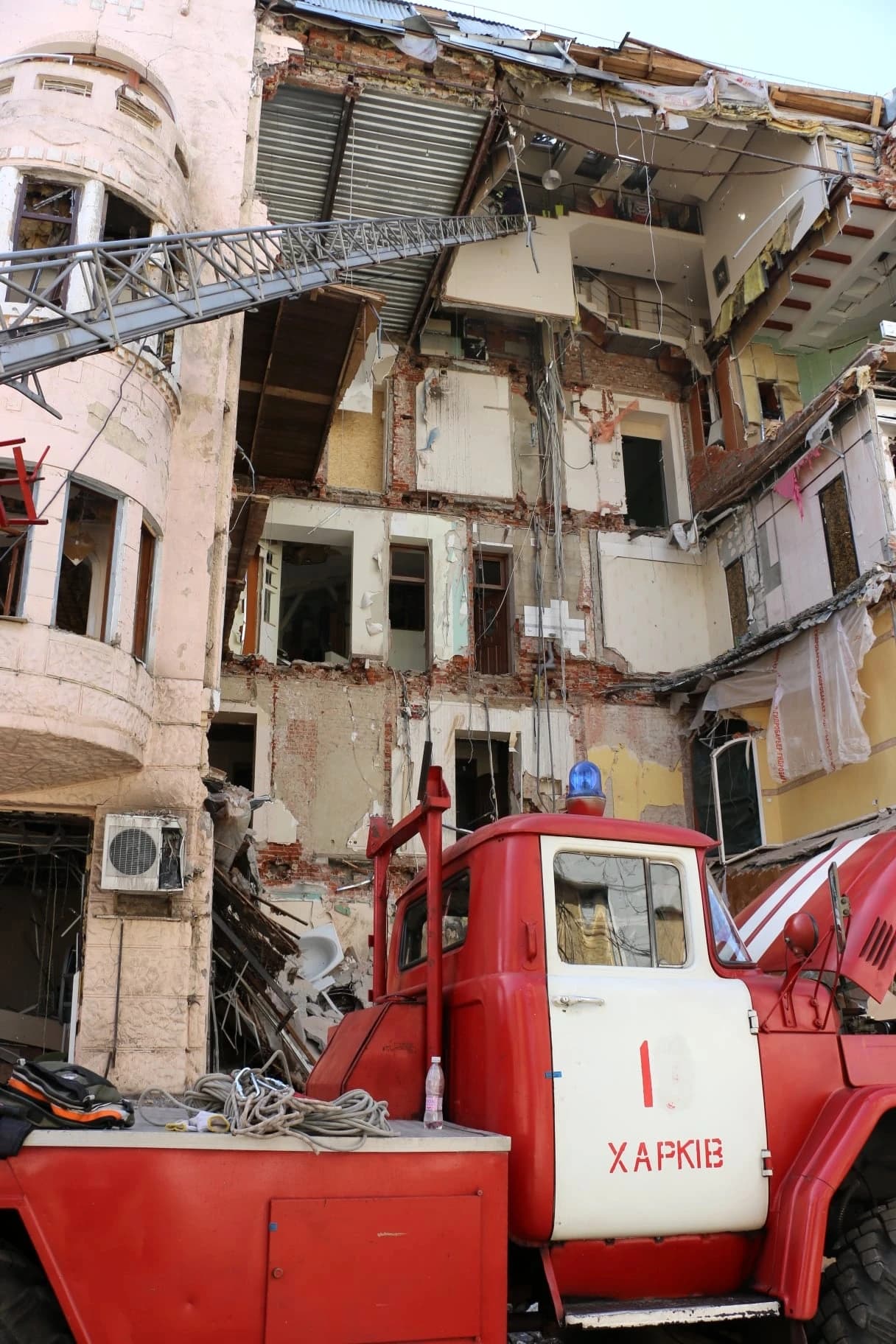
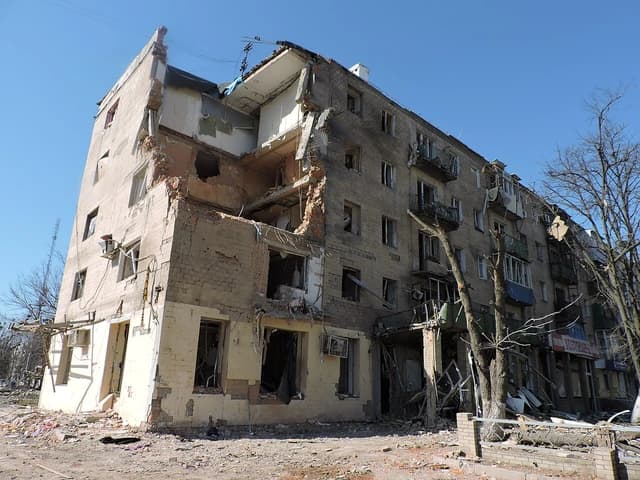
At least 15 people were reported killed in the renewed wave of attacks, which hit Kyiv and other parts of Ukraine and came amid a critical shortage of interceptor ammunition. Ukraine has struggled to shoot down ballistic missiles effectively, leaving more projectiles to reach urban areas and infrastructure and increasing the urgency for replenishment from Western suppliers.
Sentiment IndicatorsⓘProprietary · adalytica.com · August 8, 2026
This is a snapshot — live sentiment, awareness and momentum for 130+ markets update continuously in the dashboard.Open AlphaPulse
That matters economically because the war is now feeding a more persistent demand cycle for missile defense systems, interceptors and related munitions. Ukraine’s push to localize missile production suggests a longer conflict and a broader effort to reduce dependence on imported weapons, which could support defense spending across NATO and accelerate orders for U.S. contractors.
Investors have already been pricing that trend into the sector. Lockheed Martin, Northrop Grumman and RTX have all outperformed in recent months, helped by expectations of sustained air-defense demand and replenishment of stockpiles. RTX shares closed at $223.03 on Aug. 7, near the top of their recent range and well above both the 50-day and 200-day moving averages, while Lockheed Martin finished at $587.95 and Northrop Grumman at $571.58, each also trading above key longer-term averages.
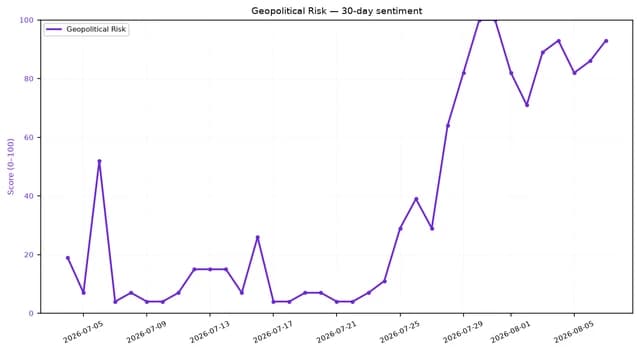
The broader market signal is that geopolitical risk remains elevated. Adalytica’s Global Stability Sentiment gauge is in “Extreme Greed” at 93, reflecting heightened attention to conflict risk even as some investors continue to assume defense spending will stay structurally higher.
For investors, the key question is whether Ukraine’s domestic missile production can reduce near-term demand for foreign interceptors or instead reinforce it by prolonging the war and widening the weapons mix Kyiv needs. The next catalyst is likely to be more aid commitments from the U.S. and Europe, along with any fresh guidance from defense contractors on missile and air-defense order backlogs.
| Entity | Gains | Losses |
|---|---|---|
| Lockheed Martin, Northrop Grumman, RTX | ▲Higher missile-defense demand | ▼Risk of capacity strain |
| Ukraine | ▲Greater self-reliance over time | ▼Continued infrastructure damage |
| Russia | ▲Battlefield pressure on Ukraine | ▼Faster Western rearmament |
| Western arms suppliers | ▲More orders and backlog growth | ▼Tighter inventory and supply bottlenecks |