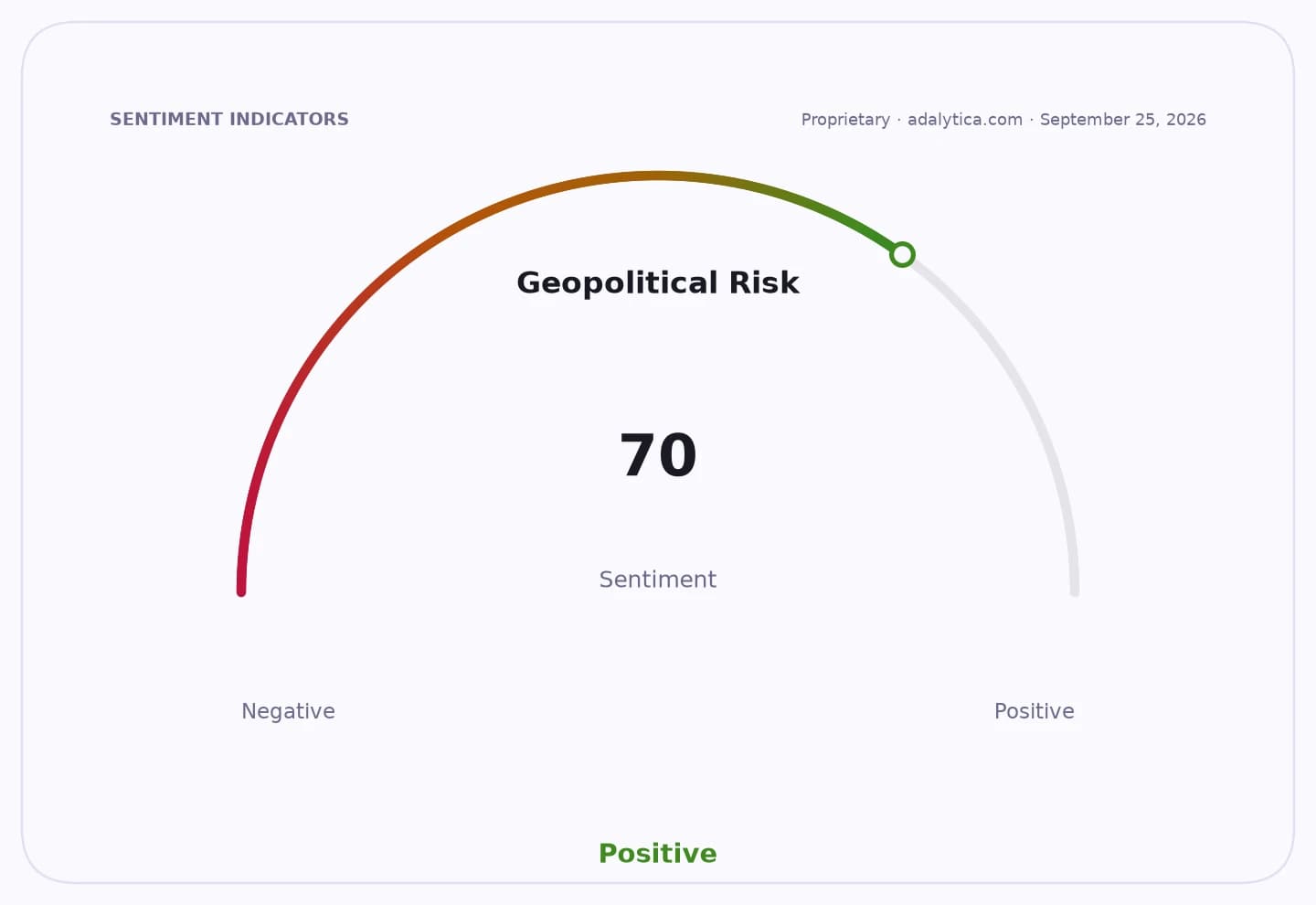
The rupiah started Monday near 18,053 per dollar, underscoring how a stronger greenback is still dictating direction in one of Asia’s more vulnerable currencies and leaving Bank Indonesia with limited room to maneuver.
Rupiah near 18,053 as U.S. dollar stays strong
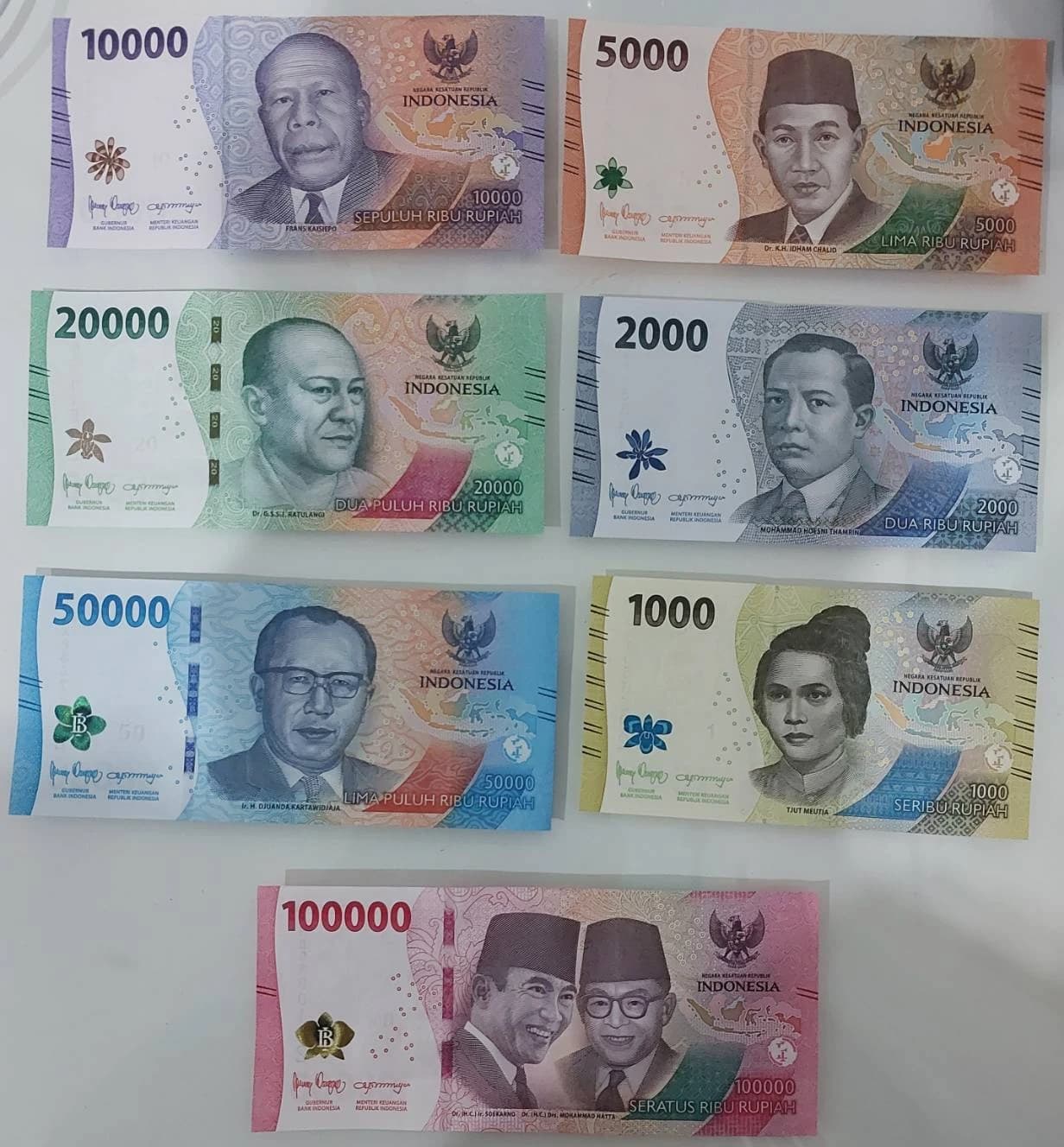
The move matters because Indonesia imports a large share of its fuel, raw materials and capital goods, so a weaker rupiah quickly feeds through to inflation, corporate costs and the current account. For policymakers, the exchange rate is also a test of credibility: too much depreciation risks imported inflation and capital outflows, while defending the currency too aggressively can drain reserves and tighten domestic financial conditions.
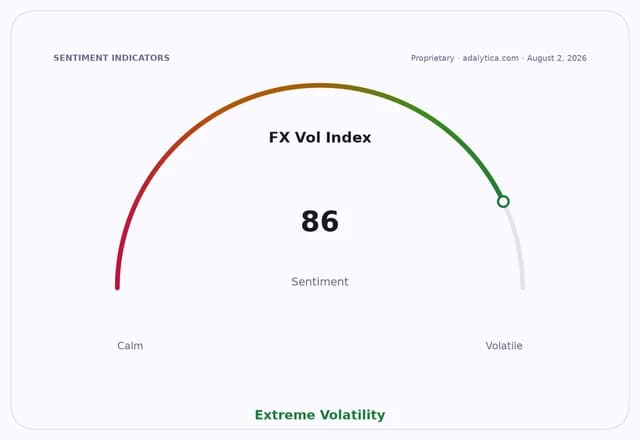
Sentiment IndicatorsⓘProprietary · adalytica.com · August 2, 2026
This is a snapshot — live sentiment, awareness and momentum for 130+ markets update continuously in the dashboard.Open AlphaPulse

The broad backdrop remains dollar-supportive. The U.S. Dollar Index tracker, UUP, edged to 28.17 on July 31, after trading as high as 28.42 this week, while the Adalytica U.S. dollar trade signal stood at 100, labeled “Extreme Greed,” with awareness at 99. That points to persistent demand for the dollar across global markets, a factor that usually weighs on emerging-market currencies like the rupiah even when local fundamentals are stable.
The rupiah’s own technical picture is mixed but still fragile. At 18,053, it remains above its 50-day moving average of 17,943 and far above the 200-day average of 17,154, which suggests the currency has weakened materially over the medium term. But the latest reading is only modestly above the 50-day average, and the relative strength index at 44.5 shows the market is not yet in an oversold breakdown, leaving room for further consolidation if dollar buying pauses.
That said, the recent trend has clearly tilted against the rupiah. The currency traded as low as 18,040.1 on July 31 and 18,079 on July 30, after touching 18,190.3 in June, showing that the market is still operating in a higher-rupiah, weaker-currency regime than earlier in the year. By comparison, the Japanese yen has also been under pressure, with the FXY ETF around 57.66, reinforcing the broader theme of dollar dominance rather than an Indonesia-specific shock.
For investors, the key issue is not just the spot move but the policy response. A sustained rupiah slide would be negative for Indonesian bonds, import-heavy consumer names and airlines, while exporters with dollar revenue and local-currency costs would benefit. Equity markets tend to reward domestic companies with pricing power and foreign-currency earnings in this environment, while companies dependent on imported inputs face margin pressure.
The next catalyst is whether the dollar’s latest surge proves temporary or becomes a more durable re-pricing of U.S. rates and risk appetite. If global dollar demand stays elevated, Bank Indonesia may be forced to stay active in the market and keep policy tighter than growth would otherwise justify. If the greenback cools, the rupiah should be able to recover some ground, but for now the burden remains on the Indonesian currency to absorb a still-strong external headwind.
| Entity | Gains | Losses |
|---|---|---|
| U.S. dollar | ▲Higher global demand | ▼None in the near term |
| Bank Indonesia | ▲Policy flexibility if rupiah stabilizes | ▼Reserve pressure, tighter conditions |
| Indonesian importers | ▲None | ▼Higher input costs |
| Indonesian exporters | ▲Better local-currency revenues | ▼Imported inflation risk |