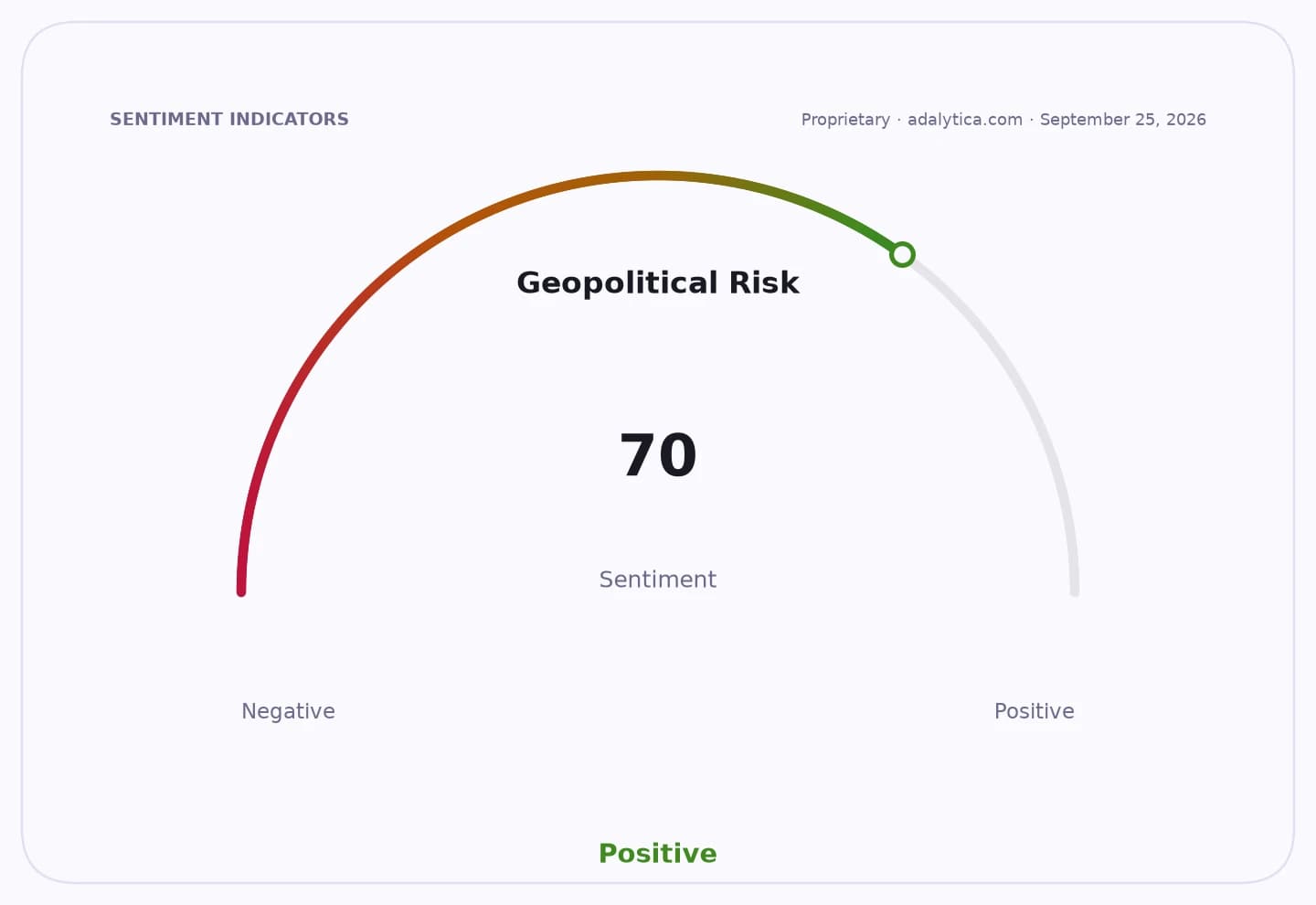
The rupiah’s stronger open is more than a one-day bounce: Bank Indonesia’s calmer message is helping take some heat out of the dollar bid, giving local assets room to stabilize after a punishing run.
Rupiah Stabilization Eases Pressure on Indonesian Assets
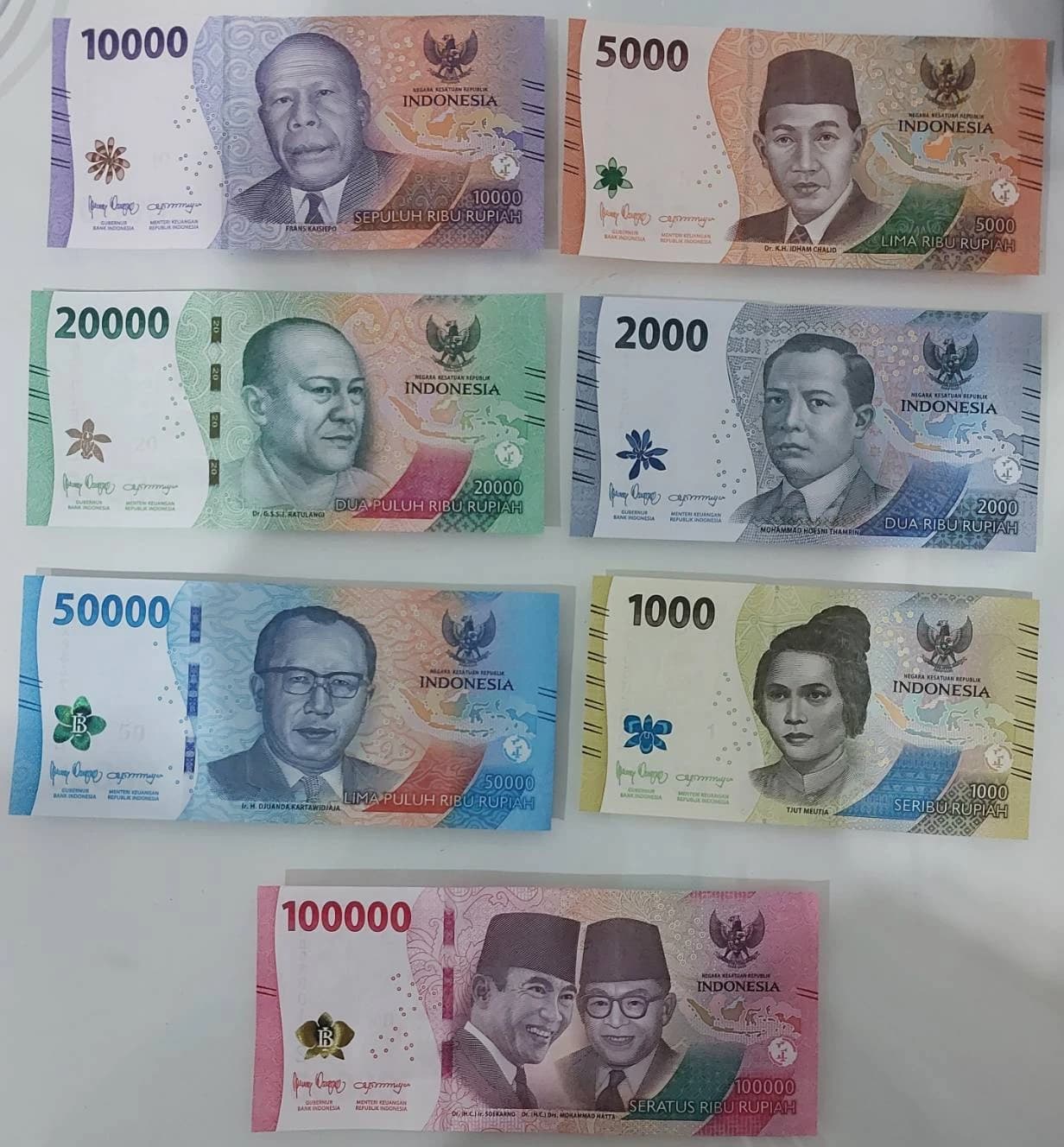
That matters because Indonesia’s currency has been trading as a proxy for global dollar stress, and when the rupiah stops leaking, the entire domestic financial system gets a reprieve. Import costs ease, imported inflation becomes less threatening, and policymakers gain a little more breathing room to support growth without immediately risking a sharper capital outflow. For investors, that shifts the near-term debate from crisis defense to selective opportunity.
The move comes after a stretch in which the rupiah had been among the region’s weaker currencies, with the market repeatedly testing how much depreciation Indonesian authorities would tolerate. The latest relief was helped by softer U.S. inflation data, which cooled the dollar’s advance, but the bigger market message is that BI’s statement was enough to keep traders from pressing the currency aggressively lower. In other words, the market is still dollar-sensitive, but it is no longer behaving as though Indonesia is the weakest link.
That distinction matters. A steadier rupiah reduces pressure on import-heavy sectors, helps limit the risk of further monetary tightening, and supports domestic demand by lowering the odds of a renewed inflation squeeze. It also supports sovereign and corporate funding conditions, especially for borrowers with foreign-currency exposure. When the currency stabilizes, local rates can matter more than panic hedging, and that is usually the point at which capital starts to discriminate again between quality and weakness.
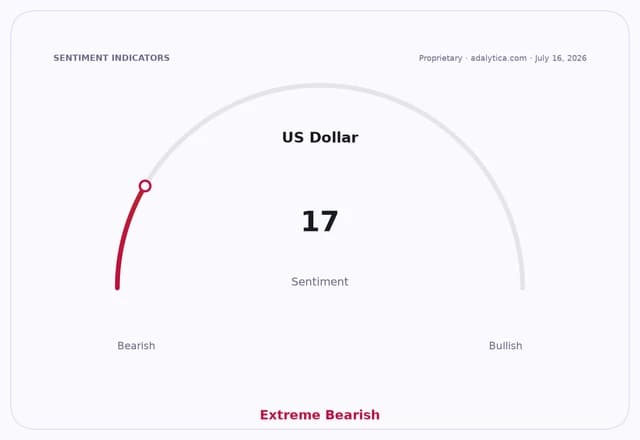
The technical picture reinforces that cautious improvement. In ETF terms, the U.S. dollar fund UUP has retreated from recent highs, with momentum cooling after a strong run, while the broader dollar trade is flashing fear in Adalytica.com’s U.S. Dollar Trade Signals snapshot. At the same time, global stability sentiment has sunk into extreme fear even as awareness remains elevated, a combination that often marks crowded macro positioning rather than fresh conviction. That is the kind of backdrop that can produce sharper reversals in emerging-market currencies when the policy tone stops adding fuel to the dollar.
For investors, the real opportunity is not to chase a one-day rupiah rebound. It is to recognize that a less-hostile currency backdrop can reprice Indonesia-linked assets before the consensus fully trusts the move. Banks, domestic consumer names, and selectively positioned local bonds are the clearest beneficiaries if BI can keep volatility contained and if U.S. data continue to narrow the dollar tailwind. The risk, of course, is that the market quickly reverts to its old script if inflation, Fed expectations, or global risk aversion turn again.
My view is simple: the rupiah’s firmer open is telling you the dollar trade is no longer one-way, and that creates an asymmetric setup in Indonesia for investors willing to look beyond the latest scare. The key is to lean into stability before it becomes obvious.
| Entity | Gains | Losses |
|---|---|---|
| Indonesian rupiah | ▲Relief from dollar pressure | ▼Less immediate downside |
| Bank Indonesia | ▲More policy flexibility | ▼Less need for emergency defense |
| Indonesian importers and consumers | ▲Lower imported inflation risk | ▼Weak-dollar tailwind fades |
| Dollar bulls / UUP longs | ▲Cooling momentum | ▼Crowded positioning risk |