Russia is moving to turn its energy diplomacy with Africa into a longer-term industrial foothold, offering training for African specialists as Moscow seeks to lock in influence in one of the world’s fastest-growing and most under-served power markets.
Russia offers African energy training to expand ties
The policy matters economically because Africa’s energy build-out is increasingly about more than capital and hardware: it also depends on skills, operating capacity and local technical ownership. By promising training and “targeted” education quotas — including about 100 places at Rosatom alone — Russia is positioning its companies to embed themselves in future power, nuclear and hydro projects while competing with Western and Asian rivals for a share of infrastructure spending.
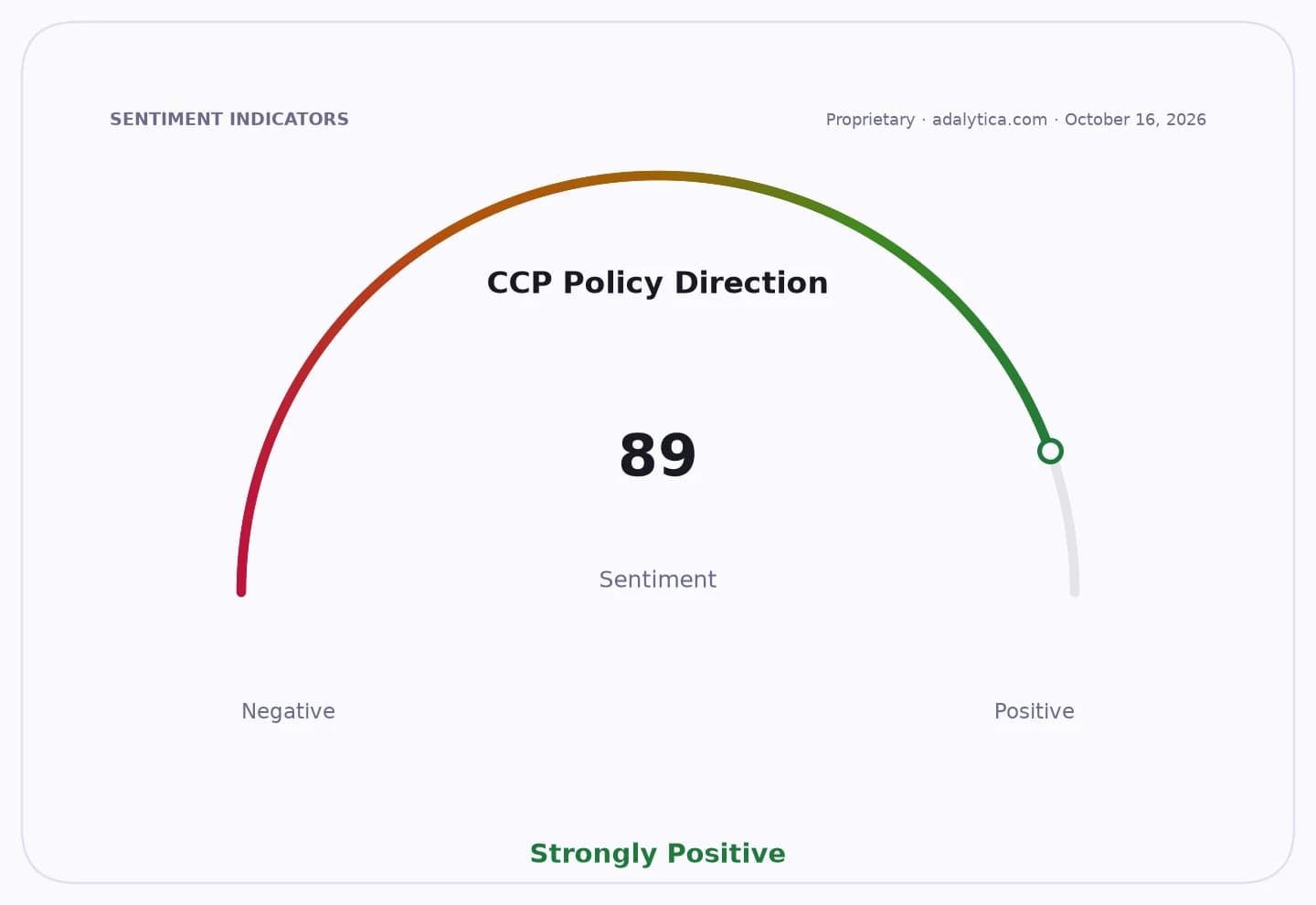
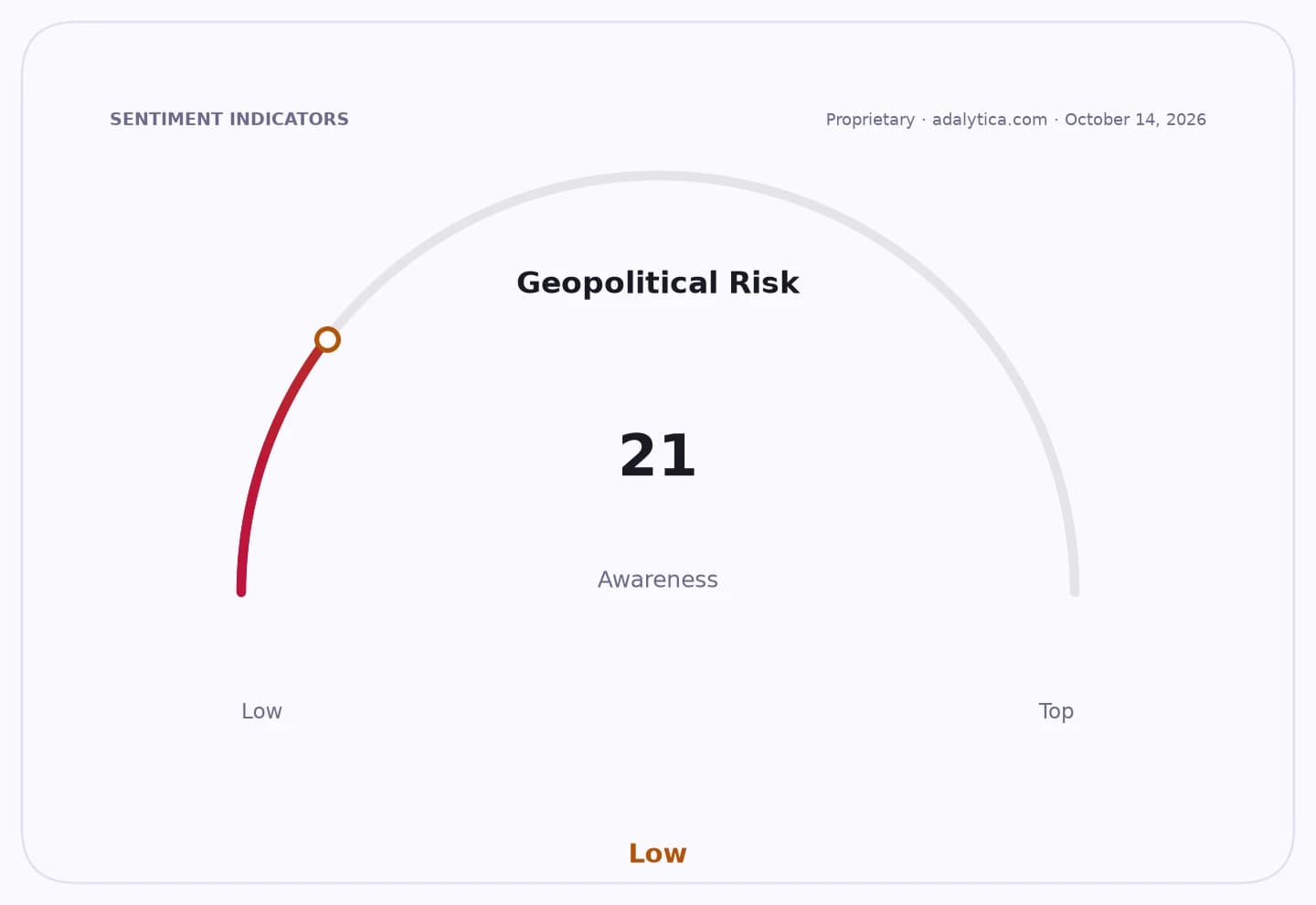
Sentiment IndicatorsⓘProprietary · adalytica.com · October 16, 2026
This is a snapshot — live sentiment, awareness and momentum for 130+ markets update continuously in the dashboard.Open AlphaPulse
Russian energy ministry spokesman Roustam Alypkatchev framed Africa and the Global South as the priority axis of Moscow’s foreign energy policy, casting cooperation in terms of “energy justice,” non-discriminatory access to technology and a partnership “on an equal footing.” That language is diplomatic, but the commercial objective is clear: build long-duration relationships that can support exports of Russian engineering, fuel-cycle expertise and project services.
For investors, the immediate market impact is less about oil prices than about where future project flow may go. Training commitments can be an early indicator of pipeline depth, especially in sectors such as nuclear power, grid development and hydropower where local capacity is often a binding constraint. If Russia can cultivate engineers and operators in countries such as Egypt, Nigeria, South Africa, Rwanda and Zambia, it may strengthen the case for Rosatom, RusHydro and other state-linked groups to win contracts, financing ties and operating roles.
The pitch also fits a broader geopolitical recalibration. African governments are seeking reliable energy partners as the continent remains short of power despite repeated pledges and record solar installations. That gap gives external suppliers room to compete not just on price, but on training, maintenance and technology transfer — areas where the country that helps build the workforce can often keep influence for decades.
Still, the opportunity is not evenly distributed. Russia’s advantage lies in nuclear and large-scale infrastructure expertise, but sanctions, financing constraints and political risk limit its reach. Western and Chinese groups remain formidable competitors, and many African states are balancing multiple partners to avoid overdependence. That means Moscow’s training push could win visibility without guaranteeing market share.
The most important implication for investors is that Africa’s energy transition is becoming a contest over ecosystems, not just assets. The winners will be the countries and companies that pair capital with technical training and long-term operating support; the losers will be suppliers that treat the region as a pure export destination. For Russia, the test will be whether educational quotas and cooperation programs translate into bankable projects, or remain mostly diplomatic signaling.
| Entity | Gains | Losses |
|---|---|---|
| Russia / Rosatom | ▲deeper African ties | ▼rivals in nuclear and power |
| African governments | ▲more technical capacity | ▼dependence on foreign providers |
| Local energy students | ▲training access | ▼limited domestic expertise if absent |
| Western and Chinese bidders | ▲— | ▼share of future projects |