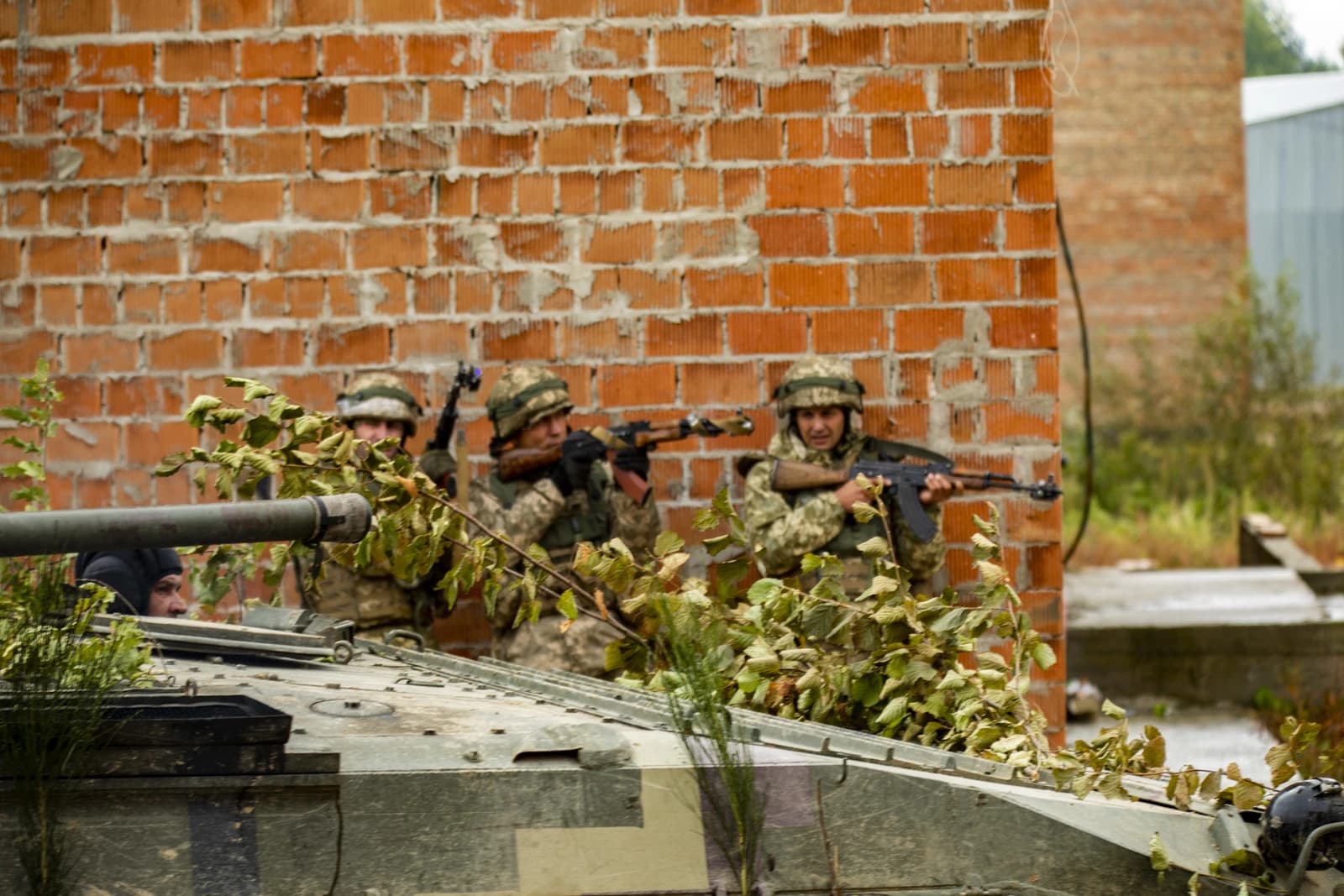
Ukraine’s President Volodymyr Zelenskyy says Russia is preparing a “massive attack,” a warning that raises the risk of a fresh escalation in Europe’s biggest war and keeps pressure on energy, defense and haven assets.
Russia Attack Warning Raises Energy and Defense Risk
The immediate market significance is that any larger Russian strike could tighten crude-supply risk premiums, support defense spending expectations and reinforce demand for Treasuries and gold if investors move further into safety trades.
Sentiment IndicatorsⓘProprietary · adalytica.com · October 7, 2026
This is a snapshot — live sentiment, awareness and momentum for 130+ markets update continuously in the dashboard.Open AlphaPulse

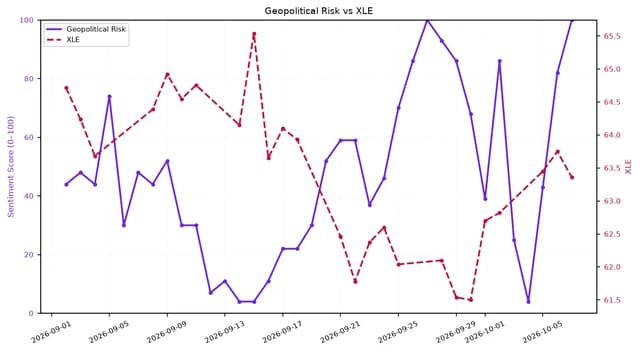
That backdrop is showing up in sectors tied most closely to geopolitical stress. The Energy Select Sector SPDR Fund, XLE, rose to $63.36 on Oct. 7 after trading as high as $65.54 in mid-September, while the iShares U.S. Aerospace & Defense ETF, ITA, closed at $203.60, just below its recent range after a sharp pullback from above $240 earlier in the summer.
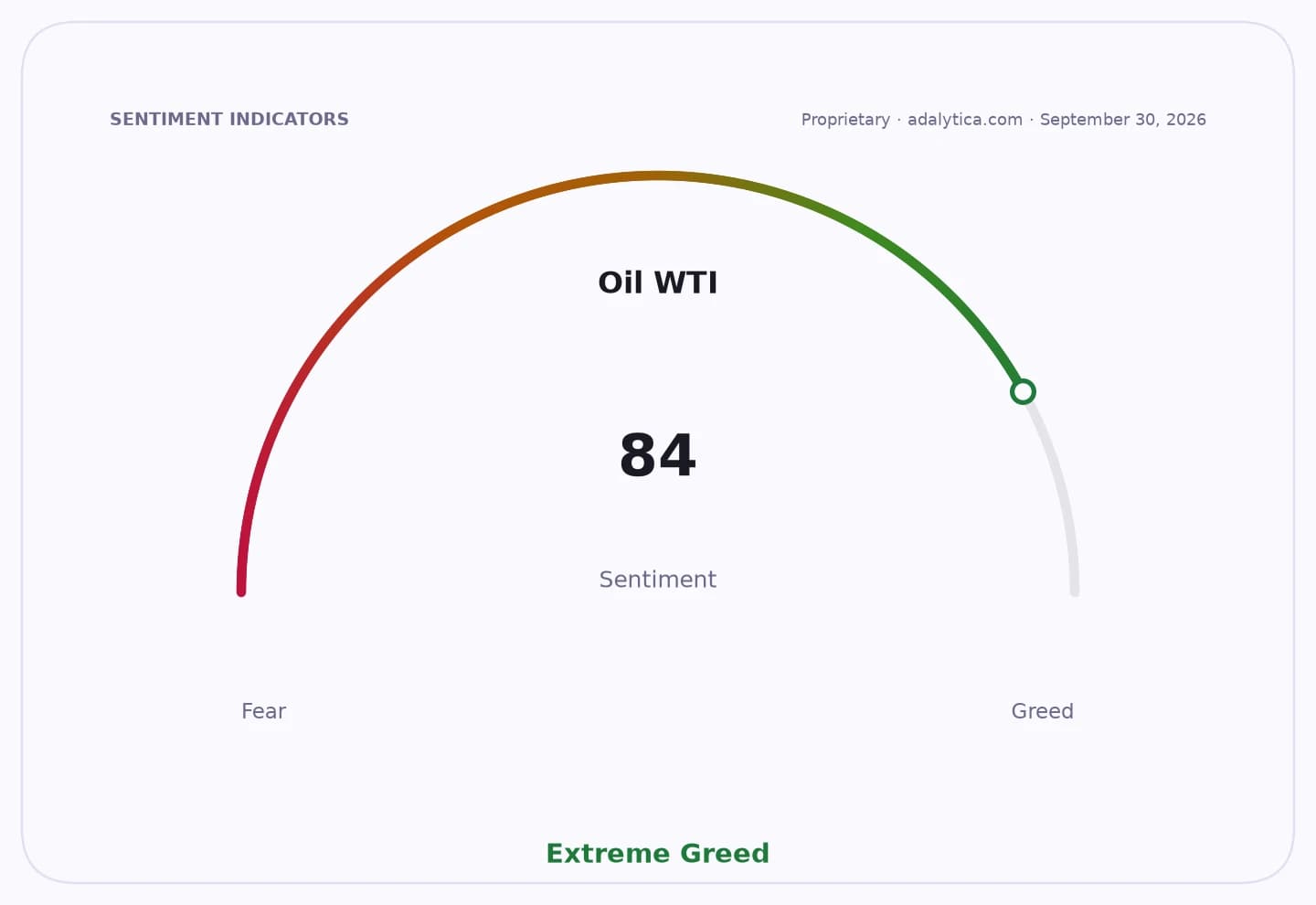
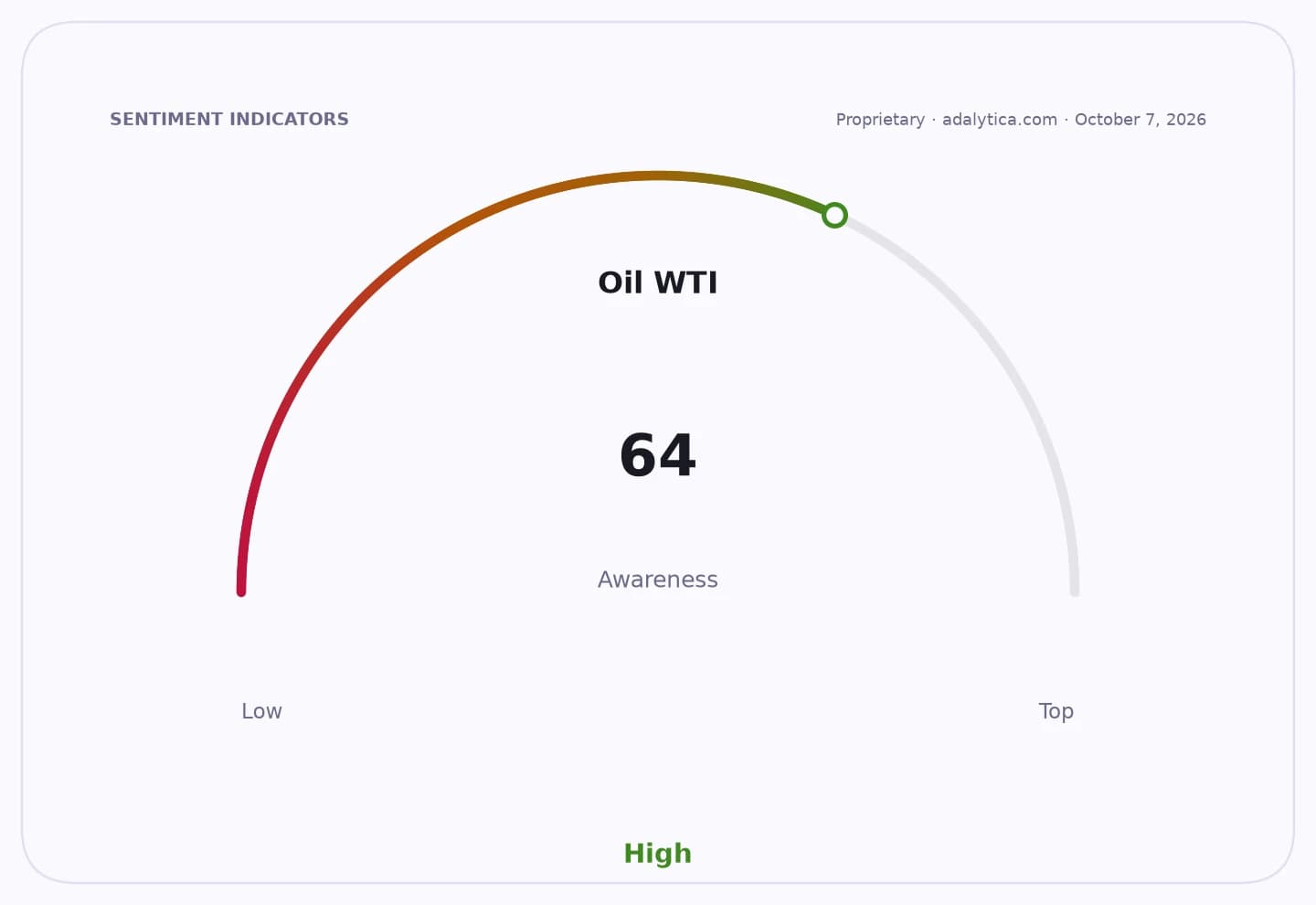
The oil market is not flashing panic, but it is on alert. Adalytica’s WTI signal shows “fear” at 26, with awareness at 64, suggesting traders remain cautious even as crude has not broken into a full risk spike.
Defense stocks are also digesting the prospect of a longer war rather than a one-day headline. ITA’s 50-day moving average sits well above its 200-day moving average, but the ETF’s recent slide and RSI reading of 25.9 point to a market that has already priced in a good deal of geopolitical premium and may only re-rate if the conflict broadens or spending expectations rise.
Safe-haven demand is mixed, though still present. The iShares 20+ Year Treasury Bond ETF, TLT, finished at 77.14, with its RSI at 15.4 and price below both its 50-day and 200-day moving averages, showing bond traders are still wary of inflation and supply-side risks even as they hold duration exposure on conflict headlines.
Adalytica’s Global Stability Sentiment gauge is at 100, labeled “Extreme Greed,” even as awareness is stuck at 7, a combination that suggests investors are not broadly fleeing risk but are highly sensitive to any geopolitical shock that could change energy flows or military spending patterns.
For investors, the key question is whether this becomes another contained escalation or the start of a broader campaign that would push up oil volatility, strengthen defense names and revive demand for defensive assets. The next catalysts will be battlefield updates, any strike on energy infrastructure and fresh comments from Kyiv, Moscow and NATO allies.
| Entity | Gains | Losses |
|---|---|---|
| Energy stocks / XLE | ▲Higher risk premium | ▼If tensions ease |
| Defense stocks / ITA | ▲More spending expectations | ▼If war premium fades |
| Oil bulls / producers | ▲Supply disruption hedge | ▼If no escalation follows |
| Bond bulls / TLT shorts | ▲Flight-to-safety bid | ▼If inflation fears rise again |