Russia’s decision to skip a scheduled bond auction underscores a growing strain on its domestic funding market just as higher borrowing costs threaten to make budget financing more expensive and less reliable.
Russia Auction Skip Signals Funding Stress
The immediate issue is not simply that Moscow sold fewer bonds. It is that the government appears to be confronting a weaker bid for its debt at a time when sanctions, war spending and a fragile inflation backdrop are already tightening the fiscal equation. When auctions are postponed, it usually signals that the state is unwilling to pay up to clear the market, or that demand from banks and other local buyers has become too thin to absorb new supply on acceptable terms.
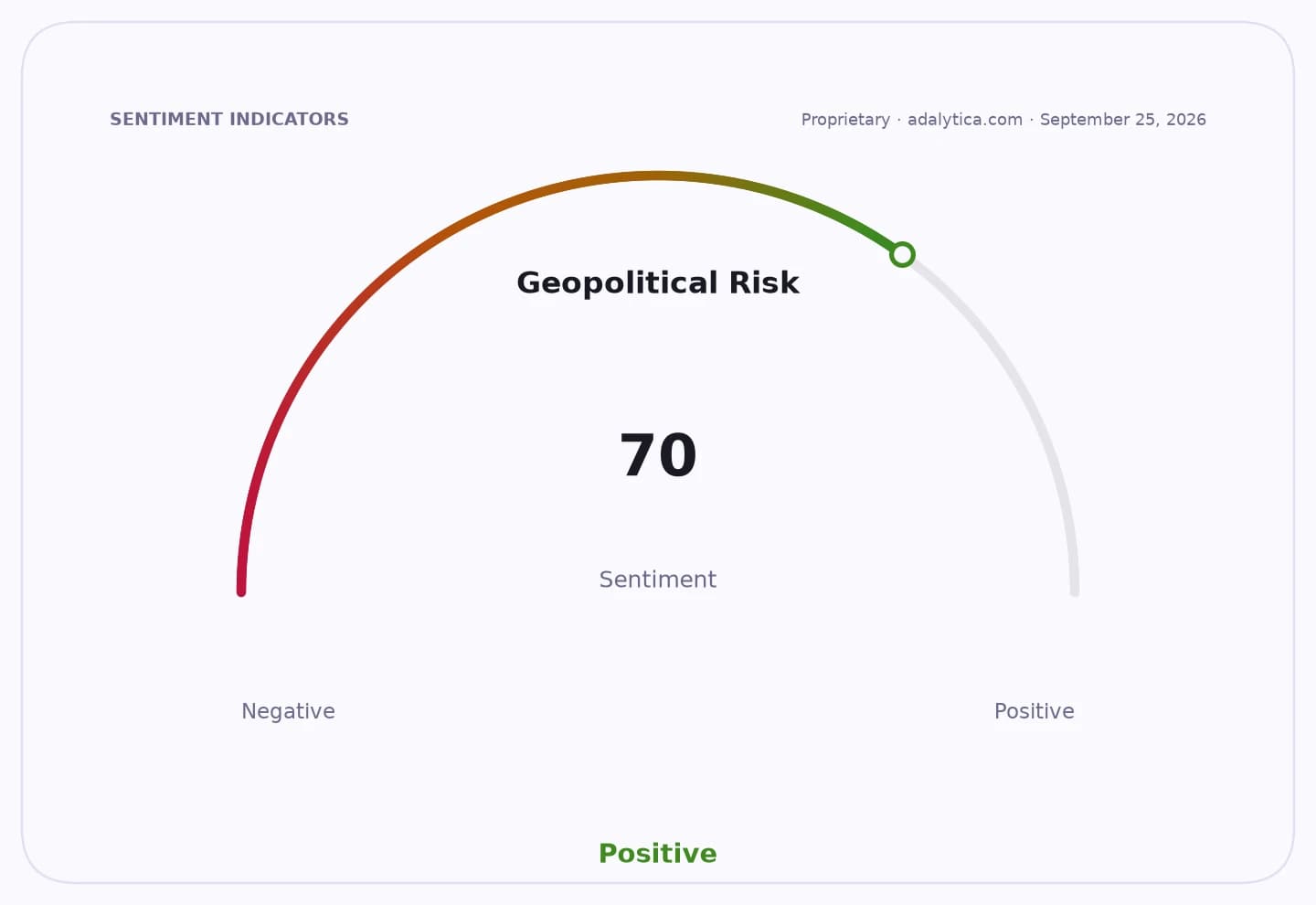
Sentiment IndicatorsⓘProprietary · adalytica.com · July 21, 2026
This is a snapshot — live sentiment, awareness and momentum for 130+ markets update continuously in the dashboard.Open AlphaPulse

That matters economically because Russia leans heavily on its domestic bond market to finance deficits and manage cash flow while its external funding options remain constrained. A persistent selloff in sovereign debt raises the effective cost of borrowing for the Finance Ministry, can force more borrowing later at worse levels, and may eventually pressure the government to lean more on reserves, spending restraint or central-bank support. In a war economy, that trade-off is particularly sensitive: every extra rouble spent on interest is a rouble unavailable for defense, social spending or efforts to cushion the private sector.
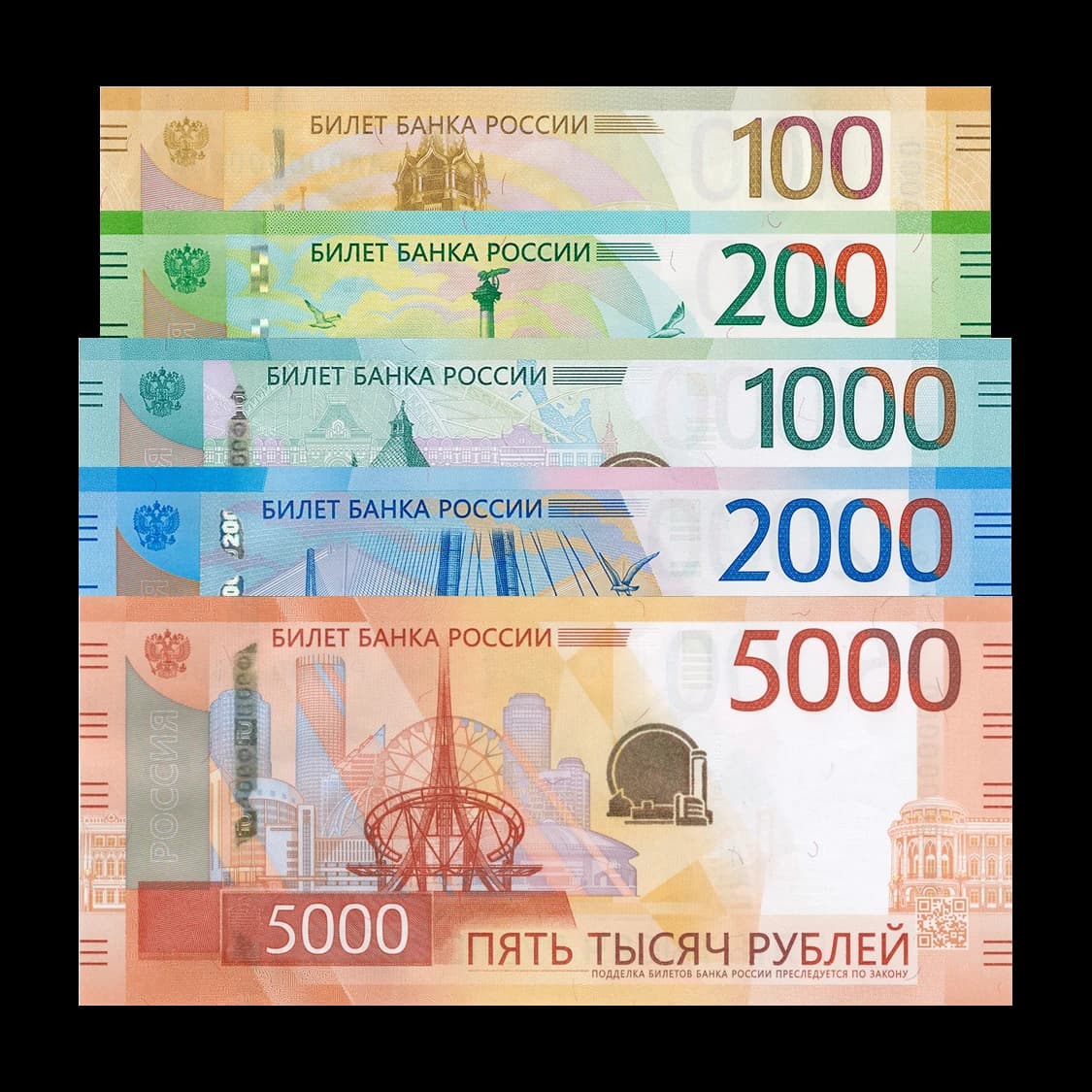
Market conditions point to a broader tightening in Russian financial assets. The rouble has been trading around 78 per dollar, far firmer than the extreme weakness seen during earlier stress episodes, but the latest move still leaves it below the stronger levels that would help ease imported inflation. Conventional technical indicators on the currency show no decisive improvement in momentum, with the 50-day average still above the spot rate and RSI readings hovering in neutral territory rather than indicating a clear recovery. That suggests investors are not yet pricing a sustained turn in sentiment.
Bond-market pricing is also signaling caution. The U.S. 10-year Treasury yield has edged back toward 4.53%, and the 10-year/2-year Treasury spread is around 39 basis points, a reminder that global fixed-income markets remain highly sensitive to growth and policy expectations. Credit risk in high-yield markets, while lower than recent peaks, is still elevated enough to keep investors defensive. For Russian debt investors, that backdrop amplifies the cost of holding duration in a market already burdened by geopolitical risk and restricted liquidity.
The move to halt auctions also reinforces the view that domestic banks remain the key shock absorber for state borrowing, but only up to a point. If banks are already carrying large holdings of government paper, either because of regulation, liquidity management or implicit policy guidance, the state’s ability to keep placing debt without offering richer yields becomes more limited. A failure to clear auctions would not mean an immediate funding crisis, but it would indicate the budget is becoming more dependent on administrative support and less on natural market demand.
For investors, the significance is twofold. First, it is a negative signal for Russian sovereign funding flexibility and for any assets linked to the state’s fiscal capacity. Second, it can feed back into the broader macro picture by reinforcing inflationary pressure if the government is forced to rely on less market-friendly financing or allows fiscal stress to persist. That is especially relevant in a sanctions-hit economy where monetary policy is already balancing growth against price stability and currency weakness.
The bull case is that this is a temporary auction decision, not a lasting loss of market access: Russia still has domestic funding tools, a controlled financial system and a banking sector that can be leaned on when needed. The bear case is that auction suspensions are an early warning that the market is demanding more compensation for sovereign risk, and that the budget may have to absorb a structurally higher cost of borrowing just as spending needs remain elevated.
If the selloff continues, the next focus will be whether Moscow returns to the market with larger concessions on yield, trims issuance, or increasingly relies on non-market financing channels. The outcome will be a useful test of how much stress the Russian fiscal system can absorb before debt financing becomes a broader macroeconomic problem.
| Entity | Gains | Losses |
|---|---|---|
| Russian Finance Ministry | ▲Short-term flexibility | ▼Regular market funding |
| Domestic banks | ▲Higher-yield placement opportunities | ▼Balance-sheet capacity |
| Bondholders | ▲Potentially higher future yields | ▼Mark-to-market losses |
| Russian budget | ▲Delay in forced pricing | ▼Rising financing risk |