Tatyana Kim’s departure as chief executive of Wildberries and a sharp drop in preferential mortgage take-up point to a broader cooling in Russian household demand, with pressure building in a consumer market already strained by higher rates and tighter credit.
Russia consumer demand cools as Wildberries CEO exits

The most economically important development is not the management change itself at Russia’s largest e-commerce player, but what it says about the durability of spending and borrowing appetite. Wildberries sits close to the pulse of Russian retail demand, while preferential mortgages have been one of the clearest supports for housing activity. When both a major consumer platform and a key credit channel show signs of strain, it suggests the slowdown is moving beyond isolated pockets and into household balance sheets.
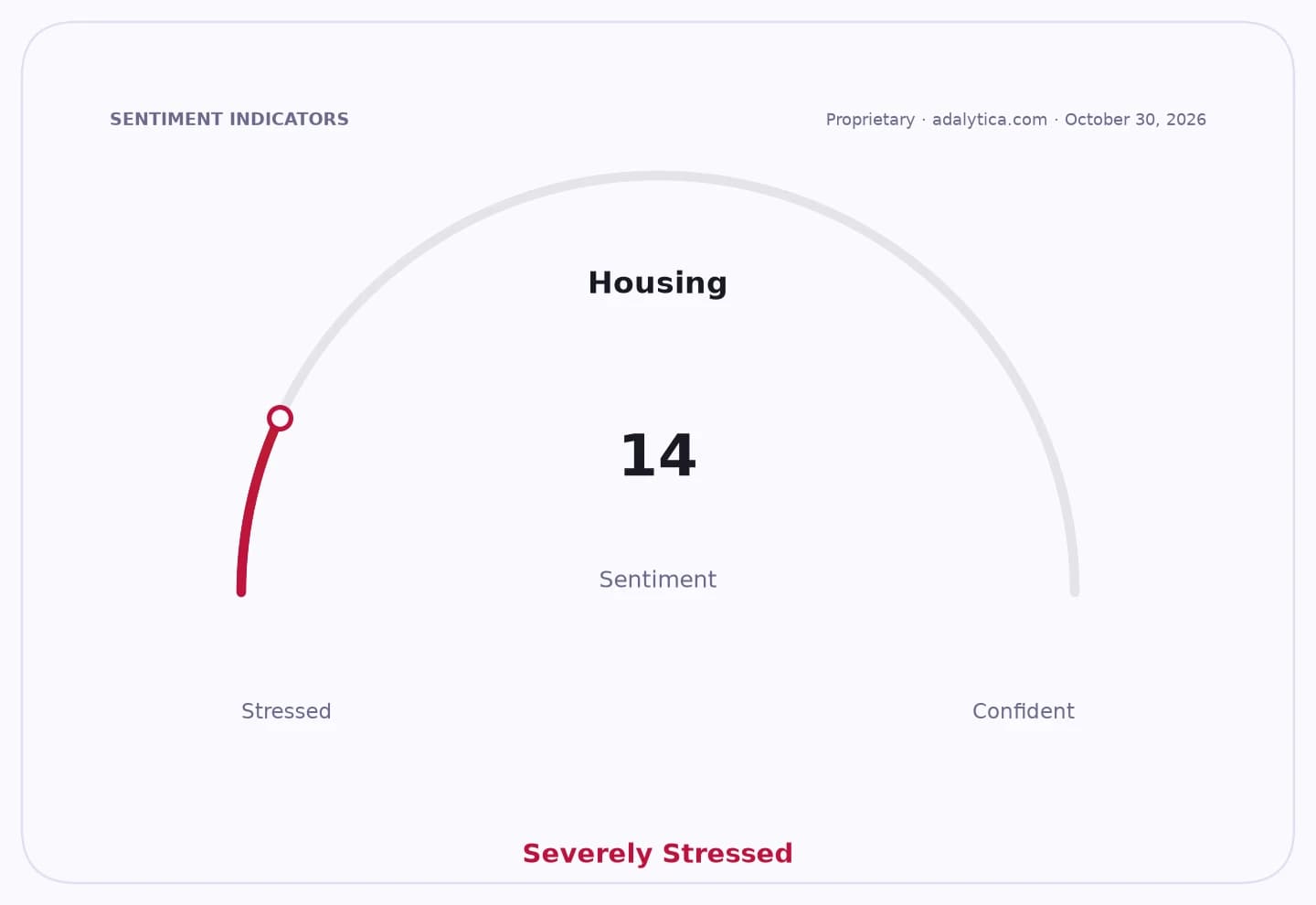
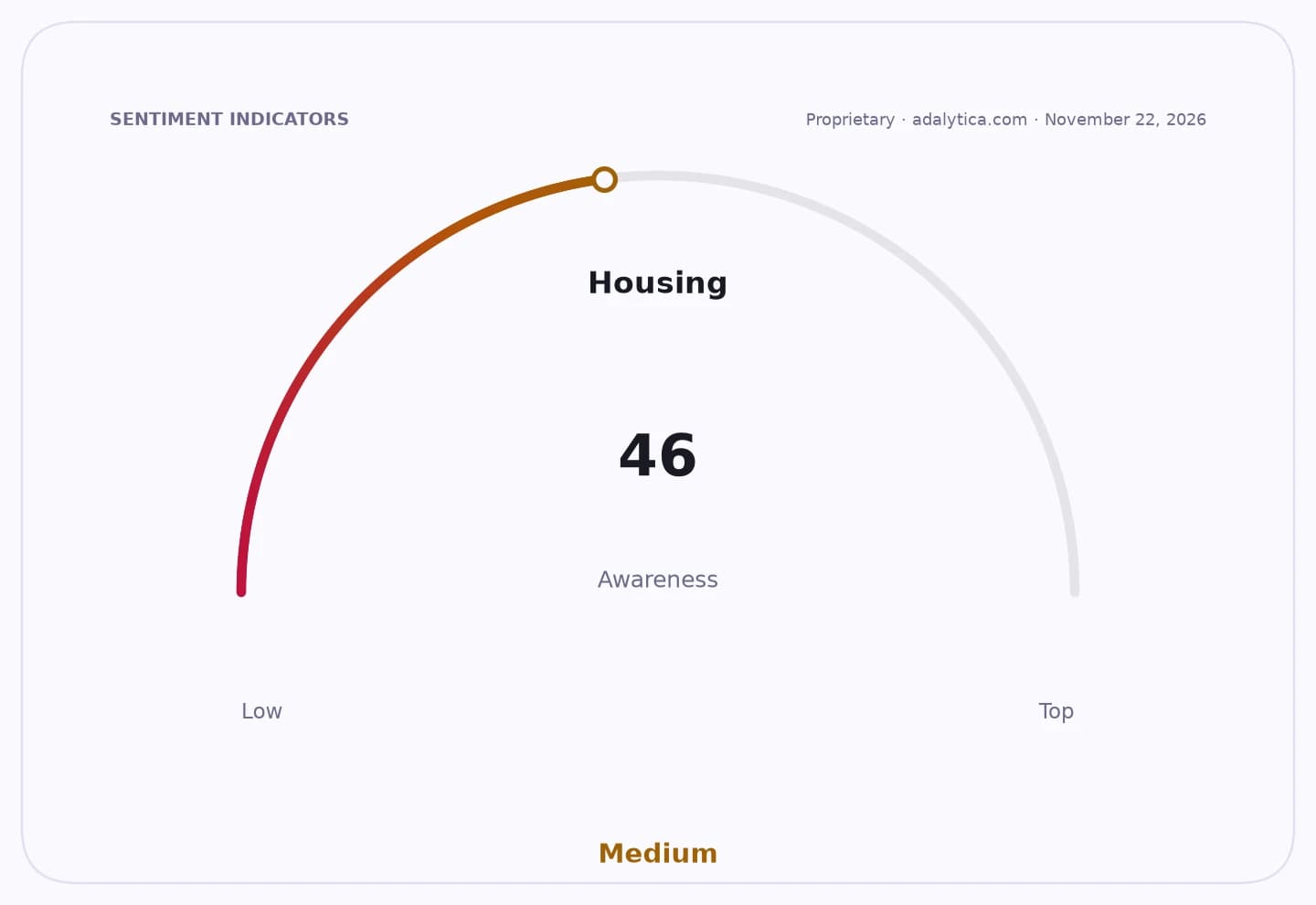
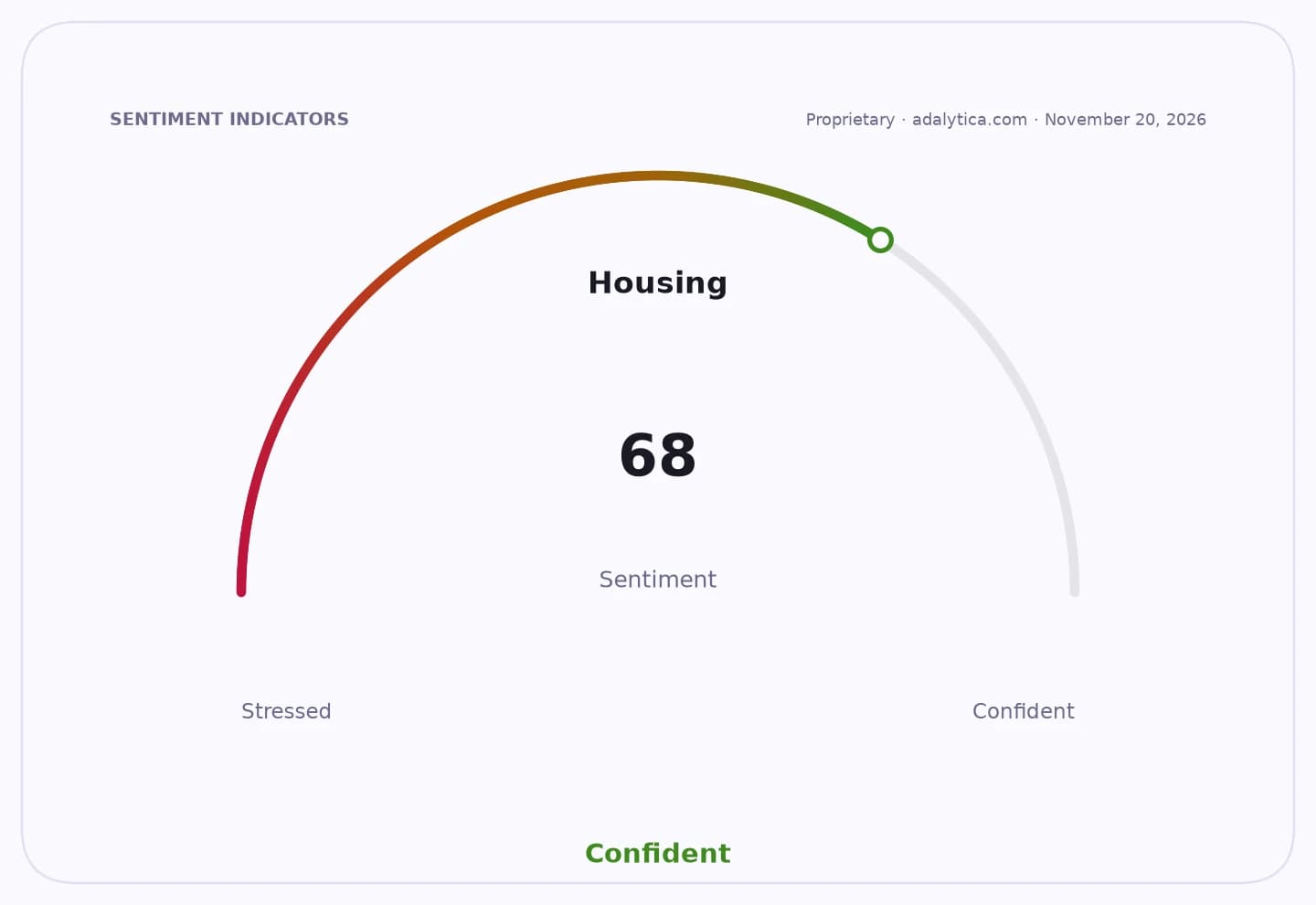
Sentiment Indicators

That matters because consumer spending has been one of the few areas still offering resilience in an economy shaped by sanctions, elevated inflation and policy tightening. The Bank of Russia has kept rates high to contain price pressures, and the latest macro backdrop remains restrictive: the 10-year US Treasury yield is near 4.86%, global financial conditions remain tight, and Russia-facing financing channels are constrained. In that environment, any weakening in discretionary spending or mortgage demand can feed quickly into broader growth, retail turnover and construction activity.
The mortgage data are especially important because subsidized borrowing has supported demand in housing and related industries, from builders and materials suppliers to appliance and furniture sellers. A steep fall in preferential mortgage share implies that subsidies are no longer offsetting the impact of expensive credit and weaker affordability. For lenders, that can mean slower originations and less room for growth in retail portfolios. For developers, it raises the risk of softer presales and a more cautious pipeline.

Wildberries adds a different but related signal. As one of Russia’s most important online marketplaces, it is exposed to consumer traffic, order volumes and seller activity. Leadership changes at a high-profile company can be routine, but in a market where shoppers are becoming more price-sensitive, management continuity matters. A founder stepping aside can also reflect a need to adapt to tougher conditions, whether through cost control, logistics efficiency or a more defensive commercial strategy.
Investors should read the two developments together as evidence that Russian consumption is losing momentum at the same time financing is becoming less supportive. The bull case is that e-commerce can still gain share from offline retail and that state-backed lending can continue to cushion housing demand. The bear case is that real incomes are being squeezed by inflation and tight credit, leaving less scope for either online retail growth or home purchases to absorb the pressure.
For markets, the key question is whether this is a temporary normalization after earlier policy support or the start of a broader consumer retrenchment. If preferential mortgages keep falling and retail platforms begin to show weaker volume trends, the spillover could reach banks, developers and consumer-facing businesses across the Russian economy.
| Entity | Gains | Losses |
|---|---|---|
| Wildberries competitors | ▲Share gains if traffic shifts | ▼Higher pressure from slowing demand |
| Russian lenders | ▲Less subsidy-dependent exposure | ▼Slower mortgage growth |
| Property developers | ▲Stable projects if subsidies persist | ▼Softer presales and pricing |
| Consumers | ▲Lower borrowing burden if rates fall | ▼Weaker purchasing power now |