The Kremlin’s insistence that it is not weighing higher taxes in Russia matters because it signals Moscow still wants to shield business and households even as war spending keeps pressure on the budget and the ruble.
Russia denies higher taxes as budget pressure builds

That is the real market story here: Russia is trying to preserve fiscal stability without spooking companies that are already operating under sanctions, elevated borrowing costs and a weaker growth backdrop. Kremlin spokesman Dmitry Peskov’s denial of new tax increases comes alongside a broader tightening of revenue collection, including tax notices on deposit income and a less generous stance toward special treatment for small and medium-sized enterprises. The message is clear — Moscow wants more money in the treasury, but it does not want to advertise a fresh burden on corporate Russia.

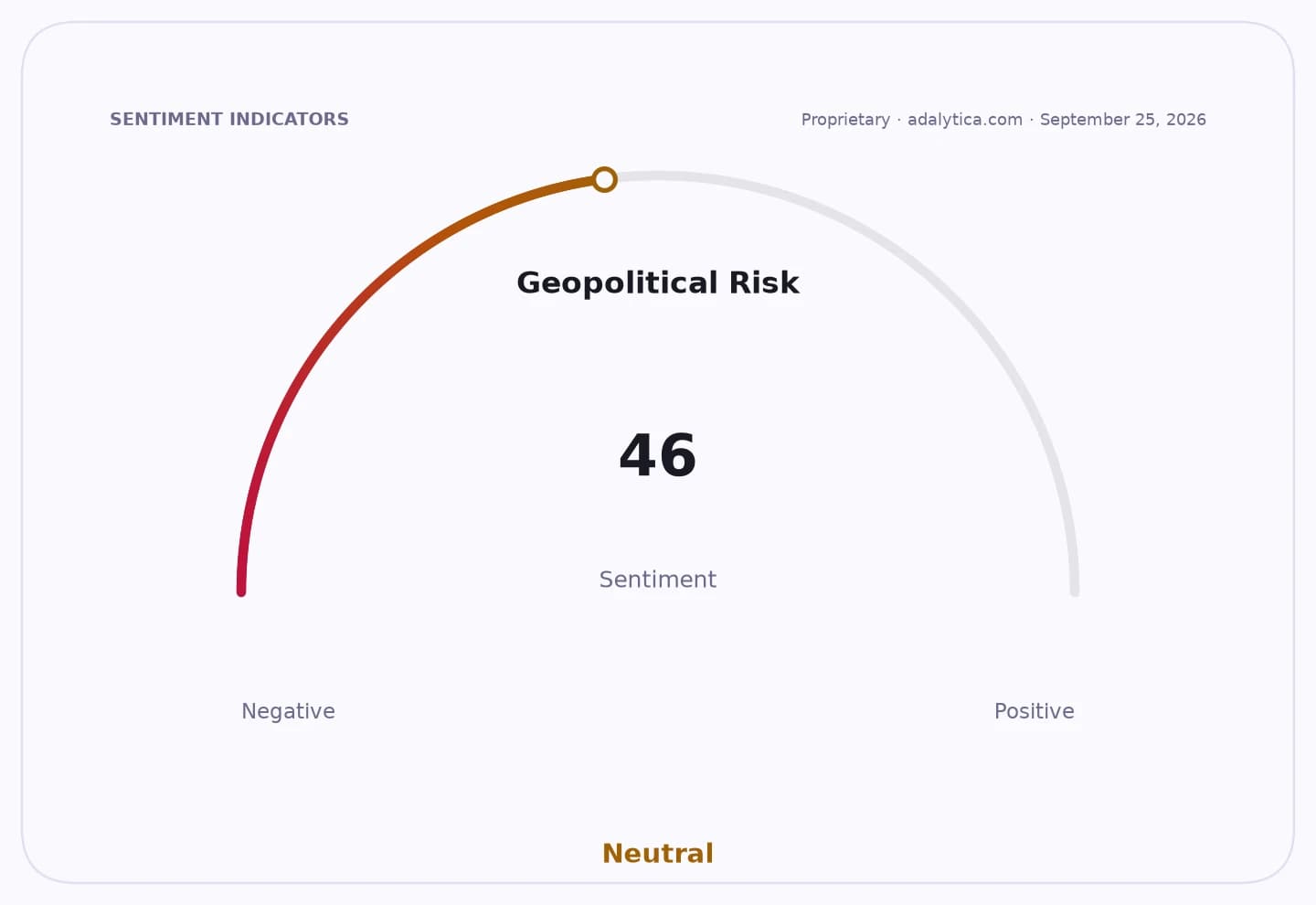
For investors, that distinction matters. Higher taxes would have been a direct hit to corporate earnings, cash flow and domestic demand, especially for lenders, consumer-facing businesses and companies with large local exposure. By pushing back against the idea of outright tax hikes, the government is trying to avoid another leg lower in confidence, even as the war economy continues to distort capital allocation and keep fiscal risk elevated. Any perception that Russia is preparing a broader tax grab would likely weigh on sentiment toward the few liquid ways to express a Russia view, including the ruble and Russia-sensitive emerging-market proxies.
The ruble itself shows how fragile the backdrop remains. On the latest reading, the currency closed at 84.06 per dollar, well below its 50-day moving average of 81.18 and still under pressure after a sharp run-up earlier in the summer. The 14-day RSI at 56.2 suggests the move is no longer oversold, but the broader technical picture still points to a market that is sensitive to policy surprises and fiscal headlines. In other words, the Kremlin’s words are doing some of the work that policy certainty would normally provide.
The broader narrative is that Russia is entering a more constrained phase of wartime finance. It can lean on taxes, fees and enforcement, but it cannot easily absorb a political backlash from overt tax increases while growth is weak and sanctions limit external financing. That leaves investors watching for the next revenue move that is disguised as administration rather than announced as a hike — and that is exactly where the downside risk sits.
The best trade from here is to stay cautious on Russia-linked risk and treat any apparent fiscal restraint as tactical, not structural. Until Moscow proves it can balance the budget without squeezing the real economy, the upside belongs to the state’s collection machinery, not to private-sector earnings.
| Entity | Gains | Losses |
|---|---|---|
| Kremlin / Russian state | ▲Fiscal flexibility | ▼Credibility if revenue gaps widen |
| Russian companies | ▲Avoid immediate tax hit | ▼Face tighter enforcement and weaker demand |
| Russian households | ▲No new broad tax burden | ▼Higher indirect fiscal pressure |
| Ruble bears / risk hedgers | ▲Policy uncertainty persists | ▼Sharp relief rally if taxes stay unchanged |